
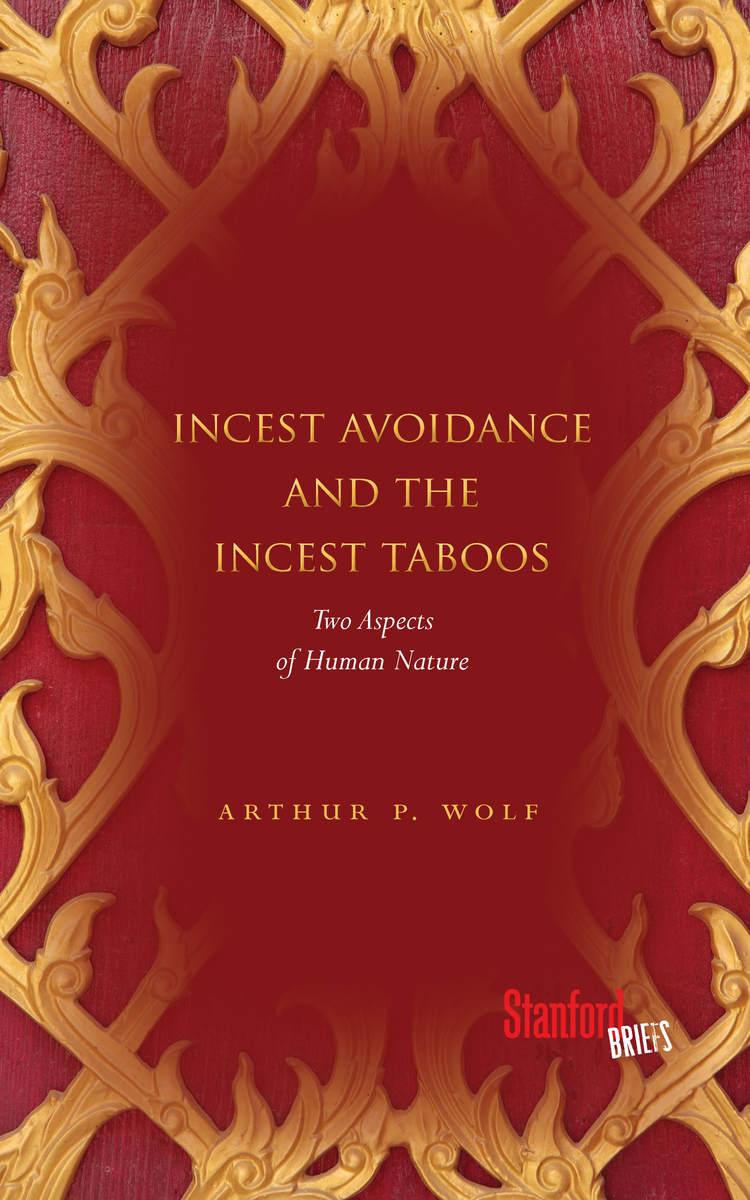
Why do most people never have sex with close relatives? And why do they disapprove of other people doing so? Incest Avoidance and Incest Taboos investigates our human inclination to avoid incest and the powerful taboo against incest found in all societies. Both subjects stir strong feelings and vigorous arguments within and beyond academic circles. With great clarity, Wolf lays out the modern assumptions about both, concluding that all previous approaches lack precision and balance on insecure evidence. Researchers he calls "constitutionalists" explain human incest avoidance by biologically-based natural aversion, but fail to explain incest taboos as cultural universals. By contrast, "conventionalists" ignore the evolutionary roots of avoidance and assume that incest avoidant behavior is guided solely by cultural taboos. Both theories are incomplete.
Wolf tests his own theory with three natural experiments: bint'amm (cousin) marriage in Morocco, the rarity of marriage within Israeli kibbutz peer groups, and "minor marriages" (in which baby girls were raised by their future mother-in-law to marry an adoptive "brother") in China and Taiwan. These cross-cultural comparisons complete his original and intellectually rich theory of incest, one that marries biology and culture by accounting for both avoidance and taboo.
Payez facilement par carte, Klarna, Apple Pay ou Google Pay. Pas satisfait ? Vous avez toujours une garantie de remboursement de 14 jours. En savoir plus dans nos conditions. Si vous avez des questions, envoyez-nous un e-mail à hello@memmo.org.
Memmo facilite tes études, où que tu sois dans le monde. On rassemble tes manuels de cours et des outils d'étude intelligents au même endroit : résumés, quiz, podcasts et flashcards. Et il y a Ted, ton compagnon d'étude qui répond à toutes tes questions. Plus de 50 000 étudiants étudient déjà ici – conçu pour t'aider à apprendre plus vite et à moins stresser.