
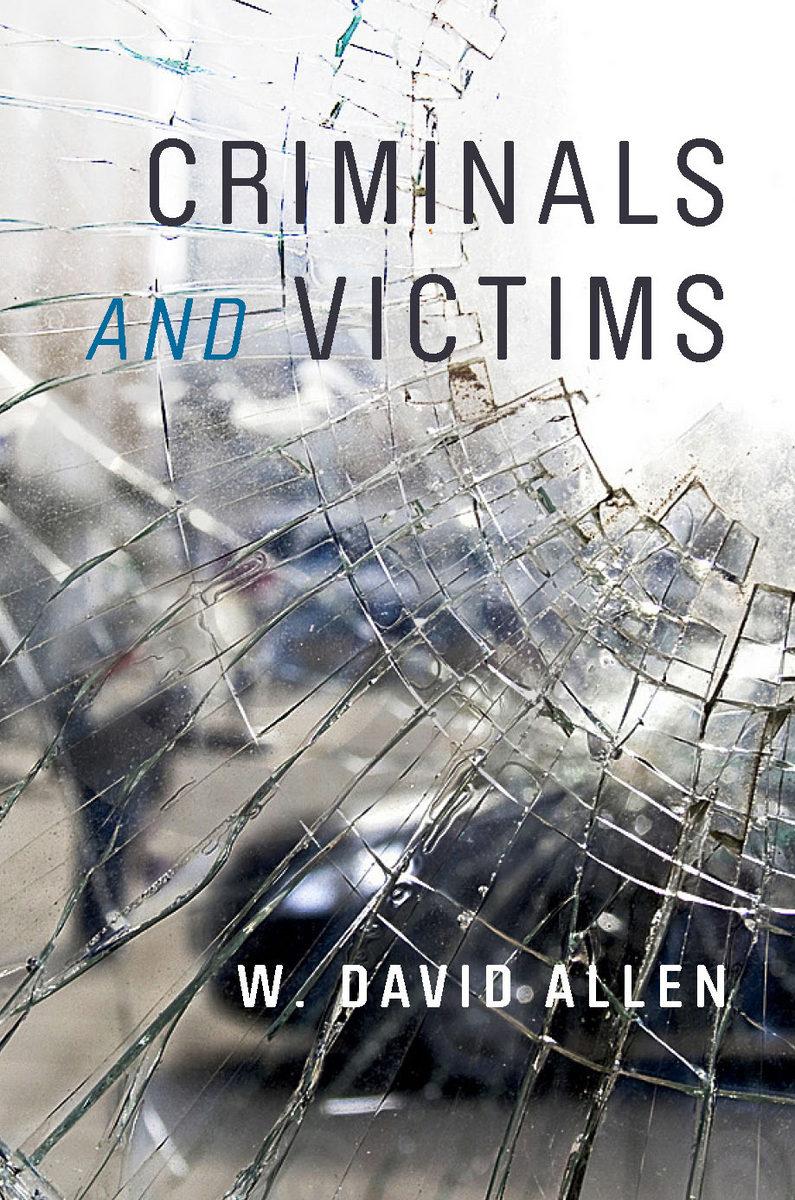
Criminals and Victims presents an economic analysis of decisions made by criminals and victims of crime before, during, and after a crime or victimization occurs. Its main purpose is to illustrate how the application of analytical tools from economics can help us to understand the causes and consequences of criminal and victim choices, aiding efforts to deter or reduce the consequences of crime. By examining these decisions along a logical timeline over which crimes take place, we can begin to think more clearly about how policy effects change when it is targeted at specific decisions within the body of a crime.
This book differs from others by recognizing the timeline of a crime, paying particular attention to victim decisions, and examining each step in the crime cycle at the micro-level. It demonstrates that criminals plan their crimes in systematic, economically logical ways; that deterring the destruction of criminal evidence may deter crime in general; and that white-collar criminals exhibit recidivism patterns not unlike those of street criminals. It further shows that the degree of criminality in a society motivates a variety of self-protection behaviors by potential victims; that not all victim resistance makes matters worse (and some may help); and that victims who report their crimes do not receive high returns for going to the police, helping to explain why some crimes ultimately go unreported.
Payez facilement par carte, Klarna, Apple Pay ou Google Pay. Pas satisfait ? Vous avez toujours une garantie de remboursement de 14 jours. En savoir plus dans nos conditions. Si vous avez des questions, envoyez-nous un e-mail à hello@memmo.org.
Memmo facilite tes études, où que tu sois dans le monde. On rassemble tes manuels de cours et des outils d'étude intelligents au même endroit : résumés, quiz, podcasts et flashcards. Et il y a Ted, ton compagnon d'étude qui répond à toutes tes questions. Plus de 50 000 étudiants étudient déjà ici – conçu pour t'aider à apprendre plus vite et à moins stresser.