
Winner of the Latifeh Yarshater book prize 2024
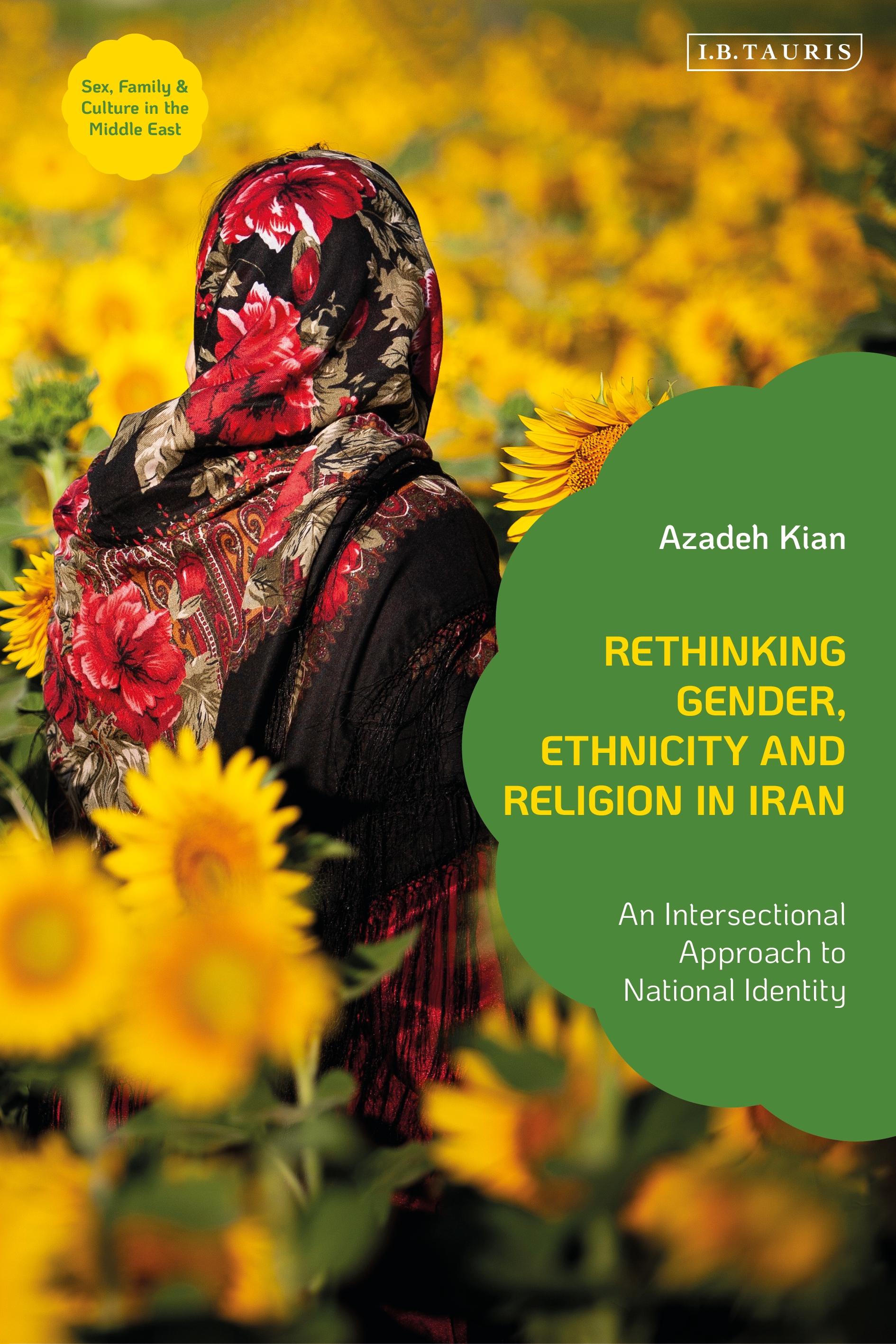
Covering the Pahlavi modern nation-state as well as the Islamic regime, this book examines the crucial shifts that affected Sunnite and subaltern women once Shi'ism became the state religion after the Iranian Revolution.
Focusing on women in the Baluchistan and Golestan provinces of Iran, Azadeh Kian analyses and explores issues of cultural racialization, ethno-centrism, Shi'a centrism, and patriarchal and chauvinistic ideologies in Iranian society propagated by the state and sustained by its policies. Based on quantitative and qualitative surveys taken throughout Iran, comprised of over 7,000 married women and 100 interviews with a sample of Sunnite and subaltern Persian women, Kian reveals how social hierarchy and power relations based on gender, class, ethnicity and religion operate. She argues that women have been at the heart of the process of national and ethnic re-construction as women, as potential mothers, are expected to reproduce national and ethnic boundaries. Kian argues that by examining the family institution as a site of power, analysing family dynamics as well as women's everyday lives, the politics of ordinary Iranians and the relationship between state and society can be better understood. Kian argues that the time is ripe to achieve a non-hegemonic definition of Iranian national identity, through acknowledgement of gender, class, ethnic, and religious diversity and plurality of experiences of oppression and injustice.
Covering the Pahlavi modern nation-state as well as the Islamic regime, this book examines the crucial shifts that affected Sunnite and subaltern women once Shi'ism became the state religion after the Iranian Revolution.
Focusing on women in the Baluchistan and Golestan provinces of Iran, Azadeh Kian analyses and explores issues of cultural racialization, ethno-centrism, Shi'a centrism, and patriarchal and chauvinistic ideologies in Iranian society propagated by the state and sustained by its policies. Based on quantitative and qualitative surveys taken throughout Iran, comprised of over 7,000 married women and 100 interviews with a sample of Sunnite and subaltern Persian women, Kian reveals how social hierarchy and power relations based on gender, class, ethnicity and religion operate. She argues that women have been at the heart of the process of national and ethnic re-construction as women, as potential mothers, are expected to reproduce national and ethnic boundaries. Kian argues that by examining the family institution as a site of power, analysing family dynamics as well as women's everyday lives, the politics of ordinary Iranians and the relationship between state and society can be better understood. Kian argues that the time is ripe to achieve a non-hegemonic definition of Iranian national identity, through acknowledgement of gender, class, ethnic, and religious diversity and plurality of experiences of oppression and injustice.
Payez facilement par carte, Klarna, Apple Pay ou Google Pay. Pas satisfait ? Vous avez toujours une garantie de remboursement de 14 jours. En savoir plus dans nos conditions. Si vous avez des questions, envoyez-nous un e-mail à hello@memmo.org.
Memmo facilite tes études, où que tu sois dans le monde. On rassemble tes manuels de cours et des outils d'étude intelligents au même endroit : résumés, quiz, podcasts et flashcards. Et il y a Ted, ton compagnon d'étude qui répond à toutes tes questions. Plus de 50 000 étudiants étudient déjà ici – conçu pour t'aider à apprendre plus vite et à moins stresser.