
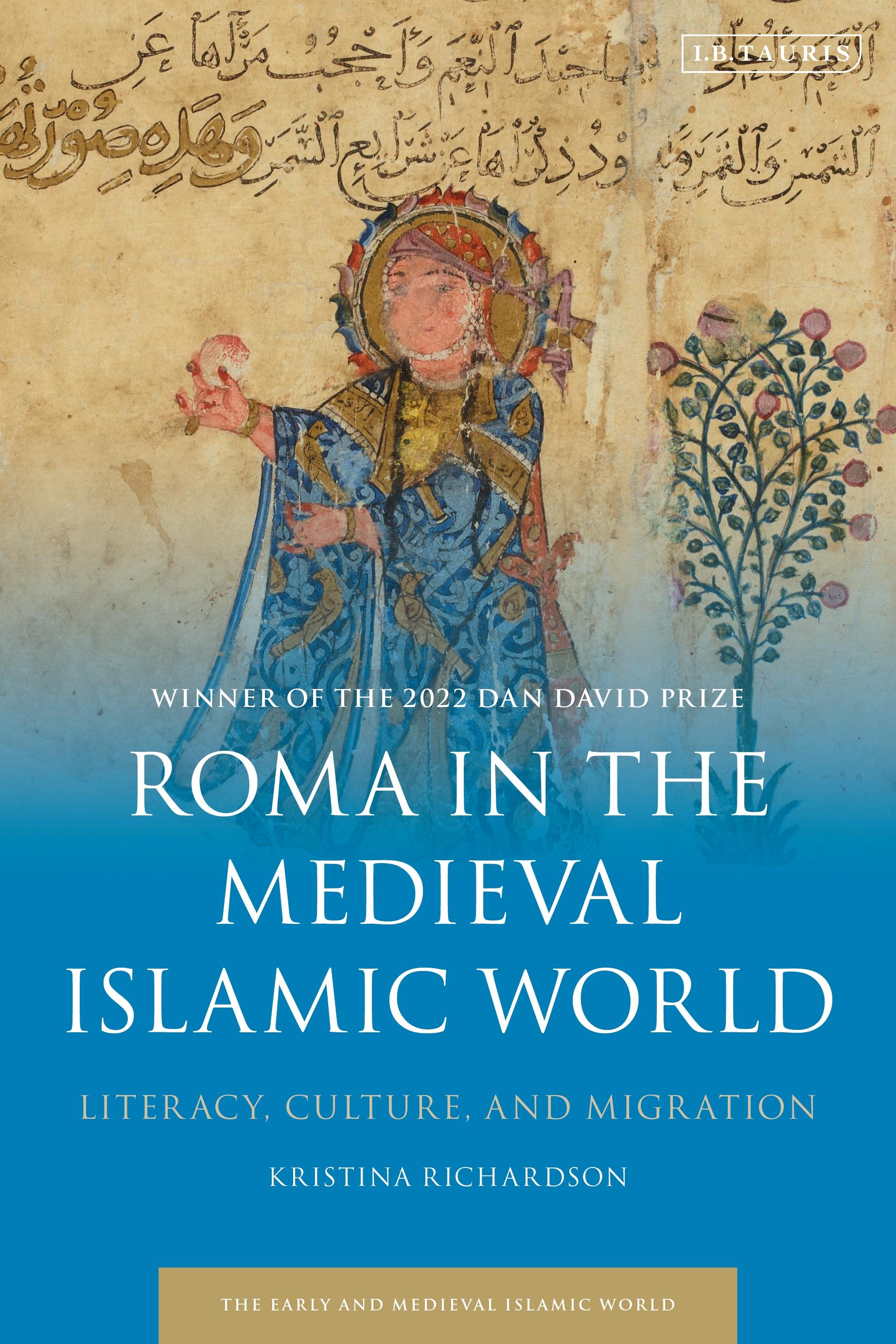
Winner of the 2022 Dan David Prize for outstanding scholarship that illuminates the past and seeks to anchor public discourse in a deeper understanding of history
Winner of the 2023 Medieval Academy of America Monica H. Green Prize for Distinguished Medieval Research
Honorable Mention in the 2023 Middle East Medievalists Book Prize
In Middle Eastern cities as early as the mid-8th century, the Sons of Sasan begged, trained animals, sold medicinal plants and potions, and told fortunes. They captivated the imagination of Arab writers and playwrights, who immortalized their strange ways in poems, plays, and the Thousand and One Nights. Using a wide range of sources, Richardson investigates the lived experiences of these Sons of Sasan, who changed their name to Ghuraba' (Strangers) by the late 1200s. This name became the Arabic word for the Roma and Roma-affiliated groups also known under the pejorative term 'Gypsies'.
This book uses mostly Ghuraba'-authored works to understand their tribal organization and professional niches as well as providing a glossary of their language Sin. It also examines the urban homes, neighborhoods, and cemeteries that they constructed. Within these isolated communities they developed and nurtured a deep literary culture and astrological tradition, broadening our appreciation of the cultural contributions of medieval minority communities. Remarkably, the Ghuraba' began blockprinting textual amulets by the 10th century, centuries before printing on paper arrived in central Europe. When Roma tribes migrated from Ottoman territories into Bavaria and Bohemia in the 1410s, they may have carried this printing technology into the Holy Roman Empire.
Winner of the 2023 Medieval Academy of America Monica H. Green Prize for Distinguished Medieval Research
Honorable Mention in the 2023 Middle East Medievalists Book Prize
In Middle Eastern cities as early as the mid-8th century, the Sons of Sasan begged, trained animals, sold medicinal plants and potions, and told fortunes. They captivated the imagination of Arab writers and playwrights, who immortalized their strange ways in poems, plays, and the Thousand and One Nights. Using a wide range of sources, Richardson investigates the lived experiences of these Sons of Sasan, who changed their name to Ghuraba' (Strangers) by the late 1200s. This name became the Arabic word for the Roma and Roma-affiliated groups also known under the pejorative term 'Gypsies'.
This book uses mostly Ghuraba'-authored works to understand their tribal organization and professional niches as well as providing a glossary of their language Sin. It also examines the urban homes, neighborhoods, and cemeteries that they constructed. Within these isolated communities they developed and nurtured a deep literary culture and astrological tradition, broadening our appreciation of the cultural contributions of medieval minority communities. Remarkably, the Ghuraba' began blockprinting textual amulets by the 10th century, centuries before printing on paper arrived in central Europe. When Roma tribes migrated from Ottoman territories into Bavaria and Bohemia in the 1410s, they may have carried this printing technology into the Holy Roman Empire.
Payez facilement par carte, Klarna, Apple Pay ou Google Pay. Pas satisfait ? Vous avez toujours une garantie de remboursement de 14 jours. En savoir plus dans nos conditions. Si vous avez des questions, envoyez-nous un e-mail à hello@memmo.org.
Memmo facilite tes études, où que tu sois dans le monde. On rassemble tes manuels de cours et des outils d'étude intelligents au même endroit : résumés, quiz, podcasts et flashcards. Et il y a Ted, ton compagnon d'étude qui répond à toutes tes questions. Plus de 50 000 étudiants étudient déjà ici – conçu pour t'aider à apprendre plus vite et à moins stresser.