
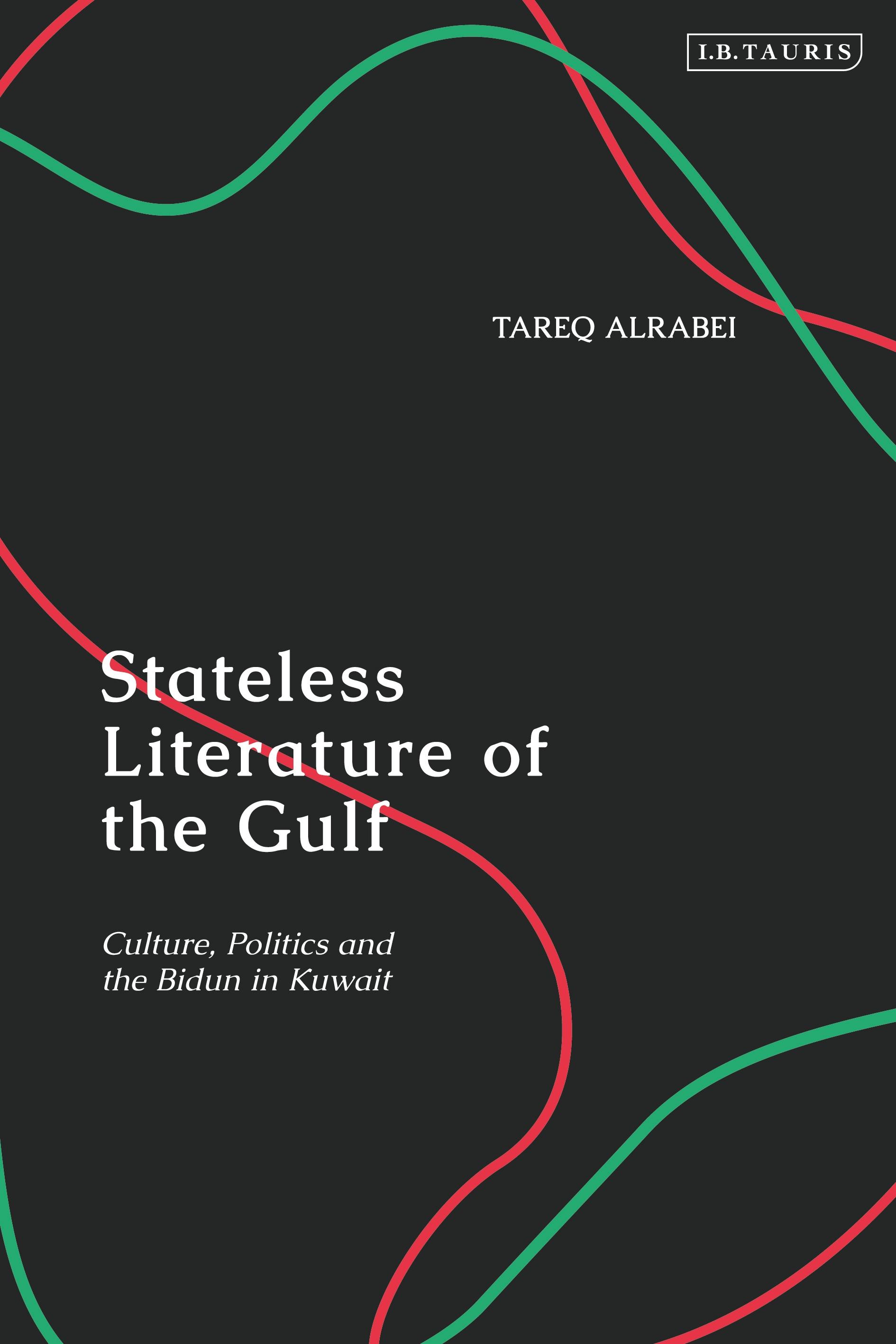
The “Bidun” (“without nationality”) are a stateless community based across the Arab Gulf. There are an estimated 100,000 or so Bidun in Kuwait, a heterogeneous group made up of tribes people who failed to register for citizenship between 1959 and 1963, former residents of Iraq, Saudi and other Arab countries who joined the Kuwait security services in '60s and '70s and the children of Kuwaiti women and Bidun men. They are considered illegal residents by the Kuwaiti government and as such denied access to many services of the oil-rich state, often living in slums on the outskirts of Kuwait's cities.
There are few existing works on the Bidun community and what little research there is is grounded in an Area Studies/Social Sciences approach. This book is the first to explore the Bidun from a literary/cultural perspective, offering both the first study of the literature of the Bidun in Kuwait, and in the process a corrective to some of the pitfalls of a descriptive, approach to research on the Bidun and the region. The author explores the historical and political context of the Bidun, their position in Kuwaiti and Arabic literary history, comparisons between the Bidun and other stateless writers and analysis of the key themes in Bidun literature and their relationship to the Bidun struggle for recognition and citizenship.
There are few existing works on the Bidun community and what little research there is is grounded in an Area Studies/Social Sciences approach. This book is the first to explore the Bidun from a literary/cultural perspective, offering both the first study of the literature of the Bidun in Kuwait, and in the process a corrective to some of the pitfalls of a descriptive, approach to research on the Bidun and the region. The author explores the historical and political context of the Bidun, their position in Kuwaiti and Arabic literary history, comparisons between the Bidun and other stateless writers and analysis of the key themes in Bidun literature and their relationship to the Bidun struggle for recognition and citizenship.
Payez facilement par carte, Klarna, Apple Pay ou Google Pay. Pas satisfait ? Vous avez toujours une garantie de remboursement de 14 jours. En savoir plus dans nos conditions. Si vous avez des questions, envoyez-nous un e-mail à hello@memmo.org.
Memmo facilite tes études, où que tu sois dans le monde. On rassemble tes manuels de cours et des outils d'étude intelligents au même endroit : résumés, quiz, podcasts et flashcards. Et il y a Ted, ton compagnon d'étude qui répond à toutes tes questions. Plus de 50 000 étudiants étudient déjà ici – conçu pour t'aider à apprendre plus vite et à moins stresser.