
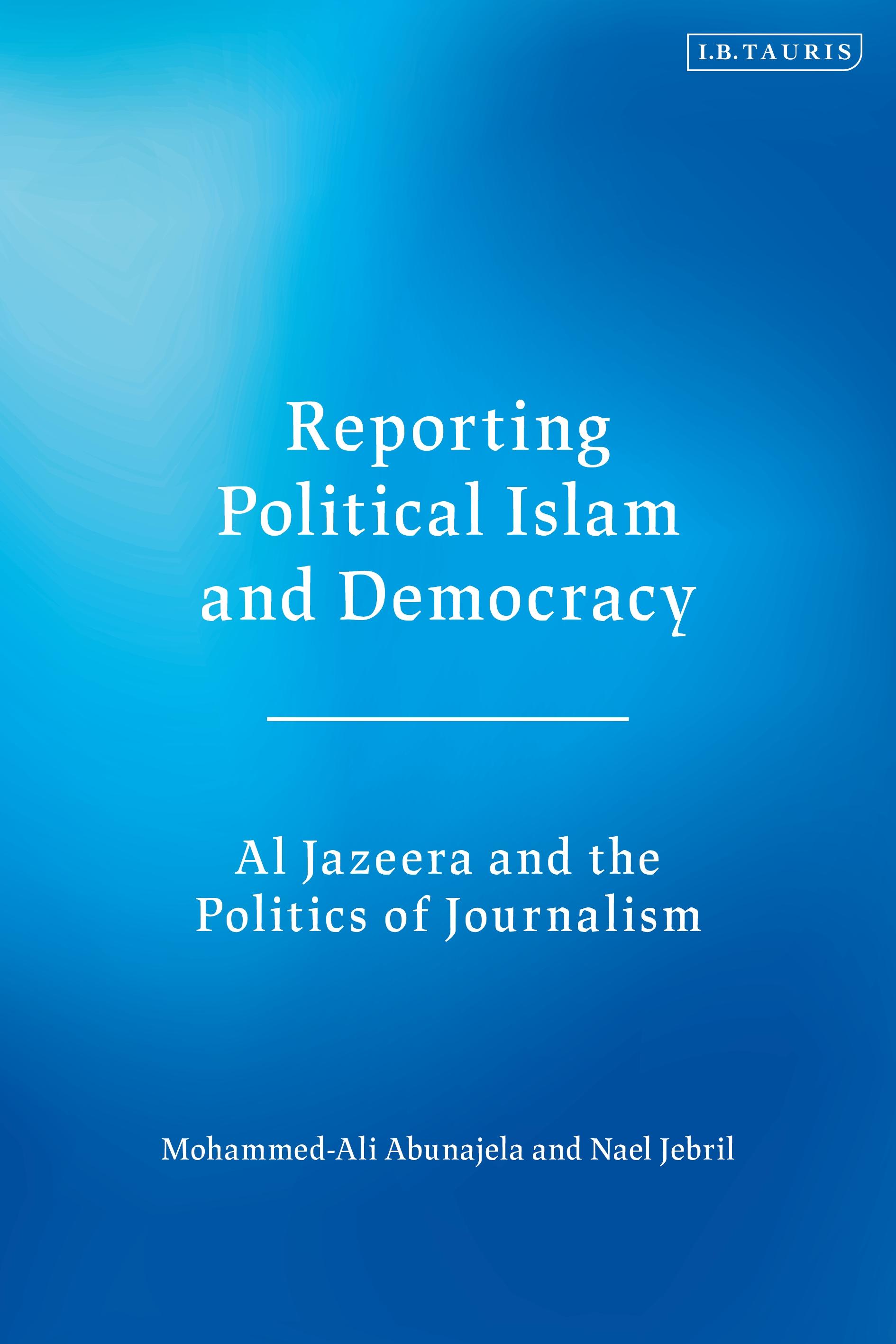
For over a decade, Al Jazeera (Arabic) occupied an unprecedented position among Arab audiences and families. Its attractive and daring news coverage has inspired millions of Arabs, and led other news channels to follow suit by changing their reporting narrative and presentational style. However, in the aftermath of the Arab uprisings in 2011, the close adoption of the Arab uprisings in general, and the Egyptian one in particular, made the channel fall into the eye of the public storm through its extensive 24-hour coverage.
This book assesses whether the channel systematically provided a platform for certain ideologies or ignored others, and if and how Al Jazeera's language had shifted after the 2011 Arab uprisings. It also explores the rationale behind adopting particular editorial principles featured in the analyses, and scrutinises the findings within the framework of media, religion and democratisation.
This book assesses whether the channel systematically provided a platform for certain ideologies or ignored others, and if and how Al Jazeera's language had shifted after the 2011 Arab uprisings. It also explores the rationale behind adopting particular editorial principles featured in the analyses, and scrutinises the findings within the framework of media, religion and democratisation.
Payez facilement par carte, Klarna, Apple Pay ou Google Pay. Pas satisfait ? Vous avez toujours une garantie de remboursement de 14 jours. En savoir plus dans nos conditions. Si vous avez des questions, envoyez-nous un e-mail à hello@memmo.org.
Memmo facilite tes études, où que tu sois dans le monde. On rassemble tes manuels de cours et des outils d'étude intelligents au même endroit : résumés, quiz, podcasts et flashcards. Et il y a Ted, ton compagnon d'étude qui répond à toutes tes questions. Plus de 50 000 étudiants étudient déjà ici – conçu pour t'aider à apprendre plus vite et à moins stresser.