
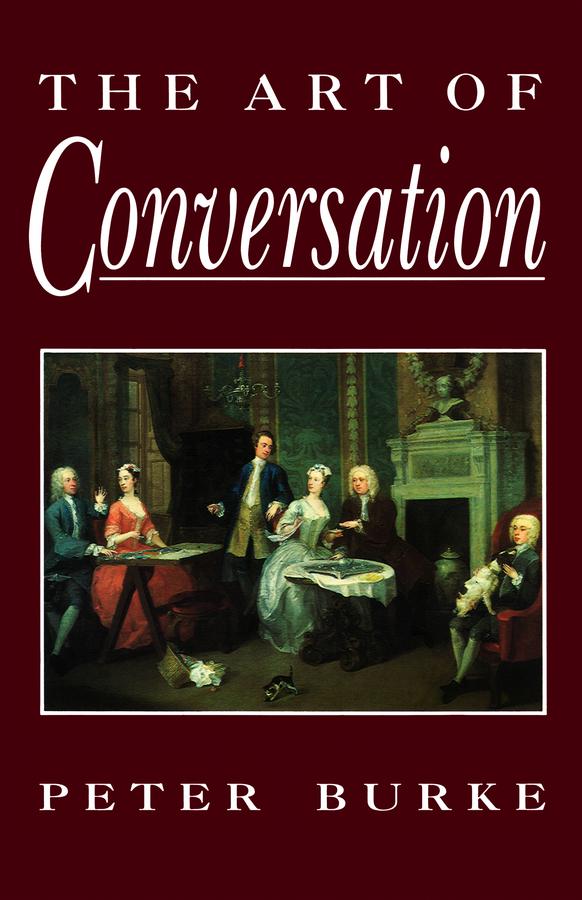
Drawing on the work of sociolinguists and others, Burke uses their concept while reserving the right to qualify their theories where the historical record makes this seem appropriate. Like the sociolinguists, Burke in concerned with the way language varies according to who is communicating to whom, on what occasion, in what medium and on what topic. Unlike many sociolinguists, Burke adds a historical dimension, treating language as an inseparable part of social history.
This approach is outlined and justified in the first chapter and then exemplified in the remaining four, which deal with the early modern period. Among the topics discussed are the changing role of Latin, which is shown to be very much alive in the age of its alleged decline; language and identity in Italy, a politically divided region at the time but one where educated elites had a common language; the art of conversation, in other words the advice on speaking in polite company offered in hundreds of treaties of the period; and silence, viewed as an act of communication with a significance which changes over time and varies according to the setting and the persons who are silent.
The Art of Conversation will be of great interest to students and scholars in social and cultural history, linguistics, the sociology of language and the ethnography of communication.
Payez facilement par carte, Klarna, Apple Pay ou Google Pay. Pas satisfait ? Vous avez toujours une garantie de remboursement de 14 jours. En savoir plus dans nos conditions. Si vous avez des questions, envoyez-nous un e-mail à hello@memmo.org.
Memmo facilite tes études, où que tu sois dans le monde. On rassemble tes manuels de cours et des outils d'étude intelligents au même endroit : résumés, quiz, podcasts et flashcards. Et il y a Ted, ton compagnon d'étude qui répond à toutes tes questions. Plus de 50 000 étudiants étudient déjà ici – conçu pour t'aider à apprendre plus vite et à moins stresser.