
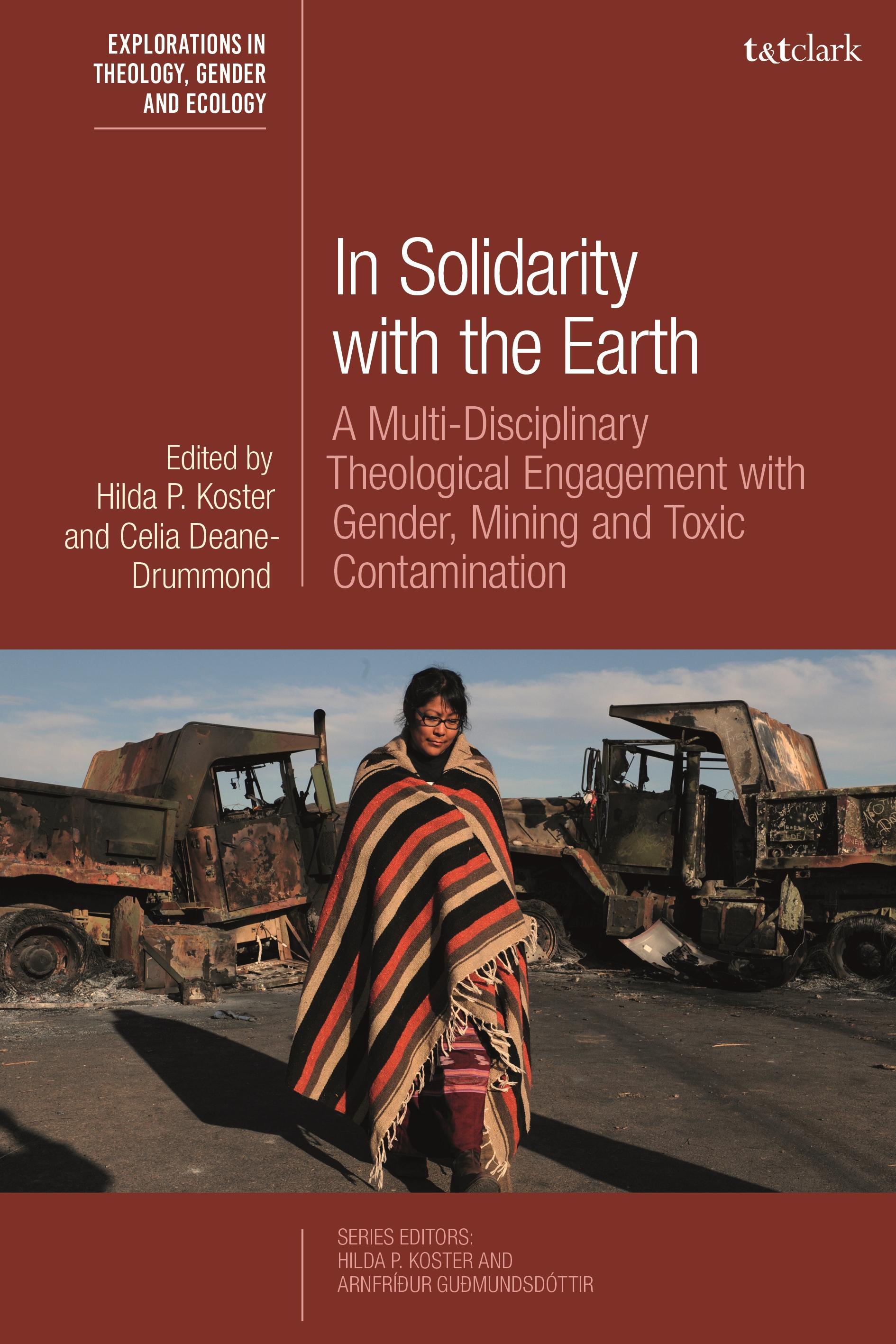
Based on case studies, the book creates a multidisciplinary conversation on the gendered vulnerabilities resulting from extractive industries and toxic pollution, and also charts the resilience and courage of women as they resist polluting industries, fight for clean water and seek to protect the land. While ecumenical in scope, the book takes its departure from the concept of integral ecology introduced in Pope Francis' encyclical Laudato Si'.
The first three sections of the book focus on the social and ecological challenges facing minoritized women and their communities that are related to mining, pollutants and biodiversity loss, and toxicity. The final section of the book focuses on the possibilities and obstacles to global solidarity. All chapters offer a cross disciplinary response to a particular local situation, tracing the ways ecological destruction, resulting from extraction and toxic contamination, affects the lives of women and their communities. The book pays careful attention to the political, economic, and legal structures facilitating these life-threatening challenges. Each section concludes with a response from a 'practitioner' in the field, representing an ecclesial organization or NGO focused on eco-justice advocacy in the global South, or minority communities in the global North.
The first three sections of the book focus on the social and ecological challenges facing minoritized women and their communities that are related to mining, pollutants and biodiversity loss, and toxicity. The final section of the book focuses on the possibilities and obstacles to global solidarity. All chapters offer a cross disciplinary response to a particular local situation, tracing the ways ecological destruction, resulting from extraction and toxic contamination, affects the lives of women and their communities. The book pays careful attention to the political, economic, and legal structures facilitating these life-threatening challenges. Each section concludes with a response from a 'practitioner' in the field, representing an ecclesial organization or NGO focused on eco-justice advocacy in the global South, or minority communities in the global North.
Payez facilement par carte, Klarna, Apple Pay ou Google Pay. Pas satisfait ? Vous avez toujours une garantie de remboursement de 14 jours. En savoir plus dans nos conditions. Si vous avez des questions, envoyez-nous un e-mail à hello@memmo.org.
Memmo facilite tes études, où que tu sois dans le monde. On rassemble tes manuels de cours et des outils d'étude intelligents au même endroit : résumés, quiz, podcasts et flashcards. Et il y a Ted, ton compagnon d'étude qui répond à toutes tes questions. Plus de 50 000 étudiants étudient déjà ici – conçu pour t'aider à apprendre plus vite et à moins stresser.