
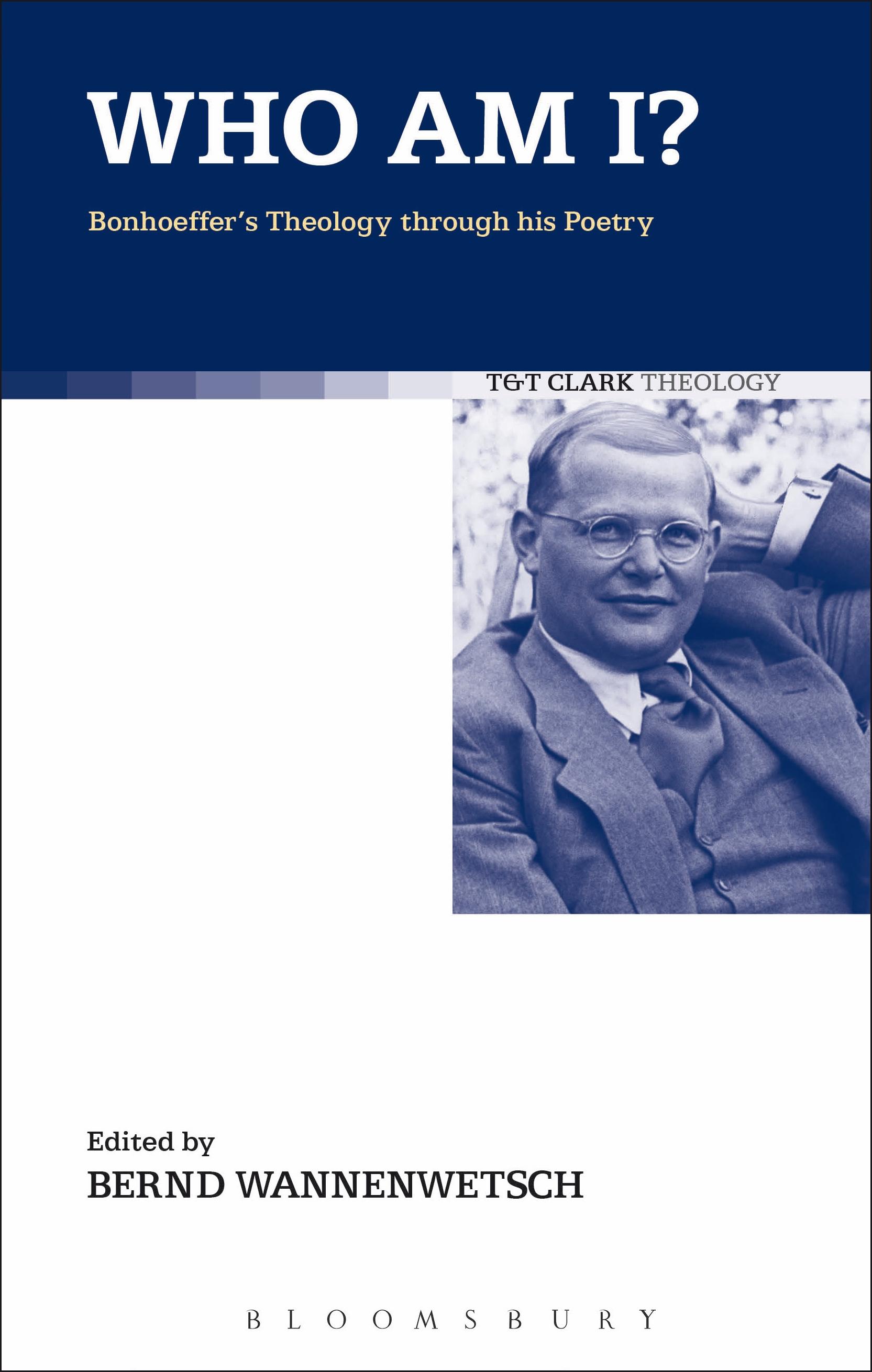
It has often been noted that poetry is a particularly suitable medium when it comes to understanding the connection between theology and biography. Needless to say that this is particularly exciting in the case of Dietrich Bonhoeffer and the poems he wrote during his imprisonment by the Nazis.
Although any one of his ten poems should be read within their respective historical and biographical context, they are also rounded, self-sufficient pieces of work that cannot be 'explained' by the biographical and theological prose that surrounds them. They rather serve as a sort of creative and perhaps sometimes even critical interlocutor to these contexts. This is why the contributors to this volume have not been asked to explain the poems but to facilitate this conversation: the conversation between the reader and the poems, between the individual poems as well as between the poems and Bonhoeffer's life and his theology. These poems lend themselves ideally as an entry point into Bonhoeffer's theology, in that each one of them resonates with a particular central theological concept that Bonhoeffer was developing in his prison years.
Themes and concepts such as "friendship", "religion", "identity", "freedom", "representative action" and others are not only represented in these poems but often expressed in the dense and compelling fashion that only poetic language affords. As such, they deserve the thorough and imaginative engagement of the international line-up of first-class theological authors gathered in this book.
Although any one of his ten poems should be read within their respective historical and biographical context, they are also rounded, self-sufficient pieces of work that cannot be 'explained' by the biographical and theological prose that surrounds them. They rather serve as a sort of creative and perhaps sometimes even critical interlocutor to these contexts. This is why the contributors to this volume have not been asked to explain the poems but to facilitate this conversation: the conversation between the reader and the poems, between the individual poems as well as between the poems and Bonhoeffer's life and his theology. These poems lend themselves ideally as an entry point into Bonhoeffer's theology, in that each one of them resonates with a particular central theological concept that Bonhoeffer was developing in his prison years.
Themes and concepts such as "friendship", "religion", "identity", "freedom", "representative action" and others are not only represented in these poems but often expressed in the dense and compelling fashion that only poetic language affords. As such, they deserve the thorough and imaginative engagement of the international line-up of first-class theological authors gathered in this book.
Payez facilement par carte, Klarna, Apple Pay ou Google Pay. Pas satisfait ? Vous avez toujours une garantie de remboursement de 14 jours. En savoir plus dans nos conditions. Si vous avez des questions, envoyez-nous un e-mail à hello@memmo.org.
Memmo facilite tes études, où que tu sois dans le monde. On rassemble tes manuels de cours et des outils d'étude intelligents au même endroit : résumés, quiz, podcasts et flashcards. Et il y a Ted, ton compagnon d'étude qui répond à toutes tes questions. Plus de 50 000 étudiants étudient déjà ici – conçu pour t'aider à apprendre plus vite et à moins stresser.