
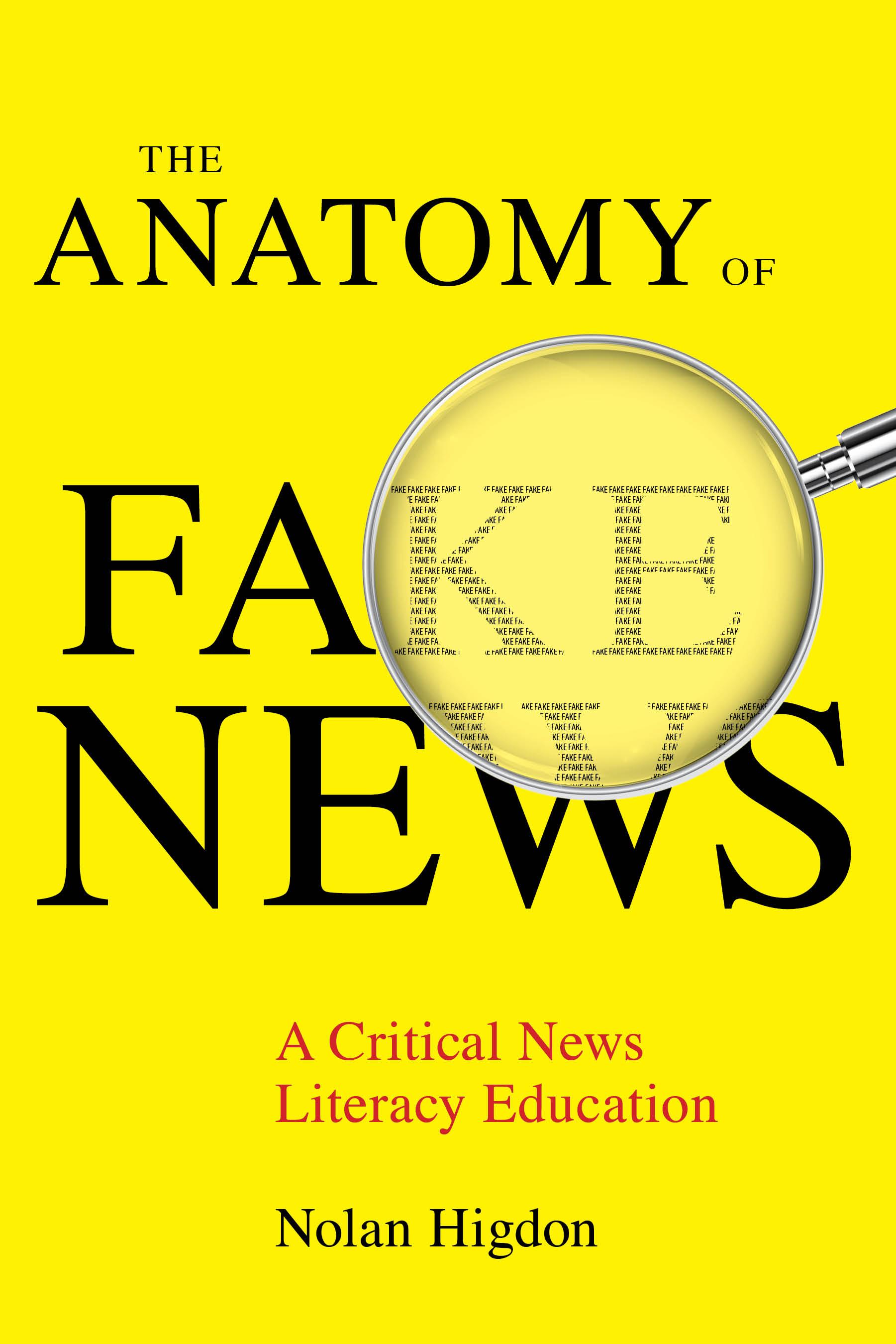
Since the 2016 U.S. presidential election, concerns about fake news have fostered calls for government regulation and industry intervention to mitigate the influence of false content. These proposals are hindered by a lack of consensus concerning the definition of fake news or its origins. Media scholar Nolan Higdon contends that expanded access to critical media literacy education, grounded in a comprehensive history of fake news, is a more promising solution to these issues. The Anatomy of Fake News offers the first historical examination of fake news that takes as its goal the effective teaching of critical news literacy in the United States. Higdon employs a critical-historical media ecosystems approach to identify the producers, themes, purposes, and influences of fake news. The findings are then incorporated into an invaluable fake news detection kit. This much-needed resource provides a rich history and a promising set of pedagogical strategies for mitigating the pernicious influence of fake news.
Payez facilement par carte, Klarna, Apple Pay ou Google Pay. Pas satisfait ? Vous avez toujours une garantie de remboursement de 14 jours. En savoir plus dans nos conditions. Si vous avez des questions, envoyez-nous un e-mail à hello@memmo.org.
Memmo facilite tes études, où que tu sois dans le monde. On rassemble tes manuels de cours et des outils d'étude intelligents au même endroit : résumés, quiz, podcasts et flashcards. Et il y a Ted, ton compagnon d'étude qui répond à toutes tes questions. Plus de 50 000 étudiants étudient déjà ici – conçu pour t'aider à apprendre plus vite et à moins stresser.
Tu pourrais aussi aimer
Acheter le livre0