
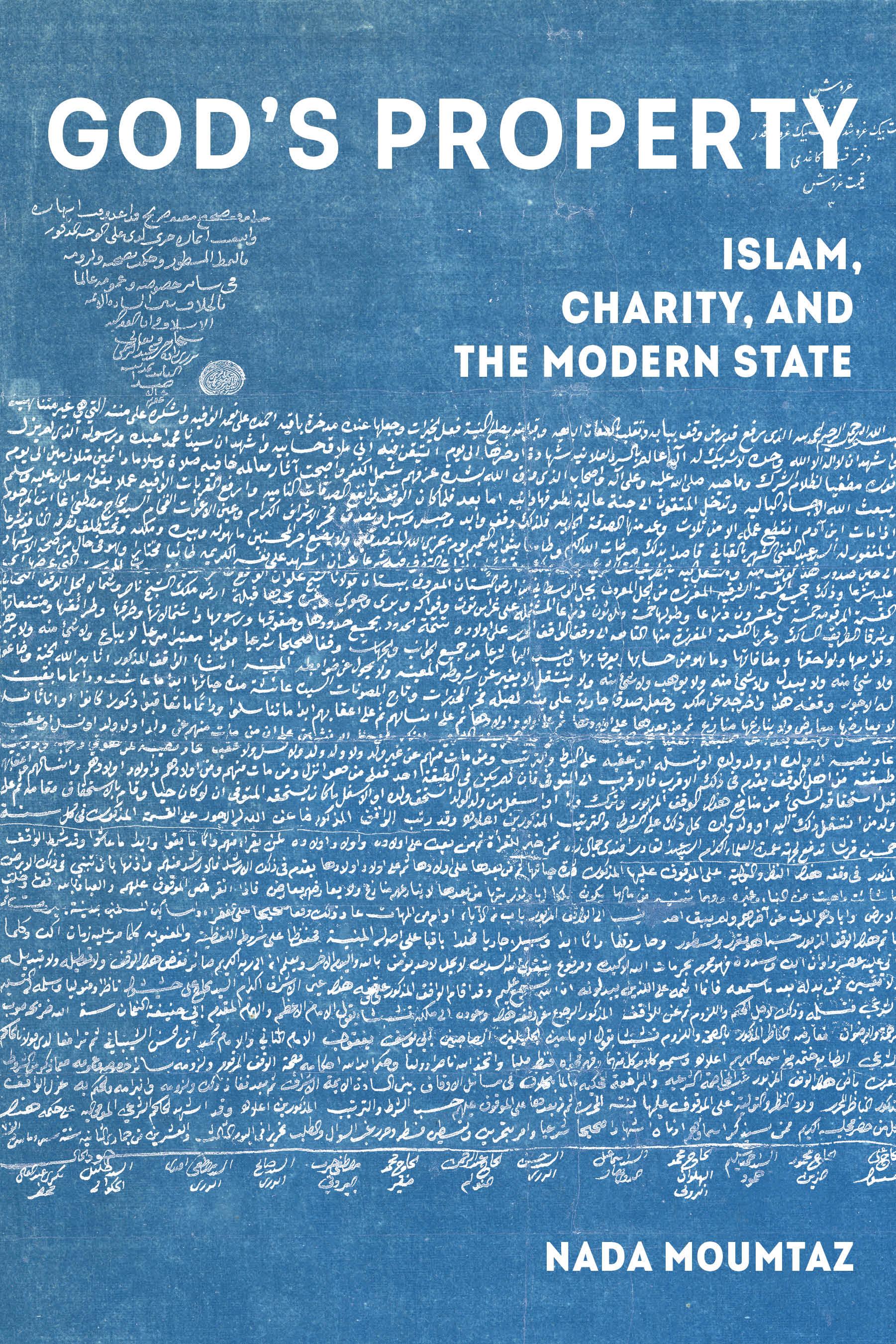
A free open access book is available upon publication. Learn more at www.luminosoa.org.
Up to the twentieth century, Islamic charitable endowments provided the material foundation of the Muslim world. In Lebanon, with the fall of the Ottoman Empire and the imposition of French colonial rule, many of these endowments reverted to private property circulating in the marketplace. In contemporary Beirut, however, charitable endowments have resurfaced as mosques, Islamic centers, and nonprofit organizations. A historical anthropology in dialogue with Islamic law, God's Property demonstrates how these endowments have been drawn into secular logics—no longer the property of God but of the Muslim community—and shaped by the modern state and modern understandings of charity and property. Although these transformations have produced new kinds of loyalties and new ways of being in society, Moumtaz’s ethnography reveals the furtive persistence of endowment practices that perpetuate older ways of thinking of one’s self and one’s responsibilities toward family and state.
Payez facilement par carte, Klarna, Apple Pay ou Google Pay. Pas satisfait ? Vous avez toujours une garantie de remboursement de 14 jours. En savoir plus dans nos conditions. Si vous avez des questions, envoyez-nous un e-mail à hello@memmo.org.
Memmo facilite tes études, où que tu sois dans le monde. On rassemble tes manuels de cours et des outils d'étude intelligents au même endroit : résumés, quiz, podcasts et flashcards. Et il y a Ted, ton compagnon d'étude qui répond à toutes tes questions. Plus de 50 000 étudiants étudient déjà ici – conçu pour t'aider à apprendre plus vite et à moins stresser.