
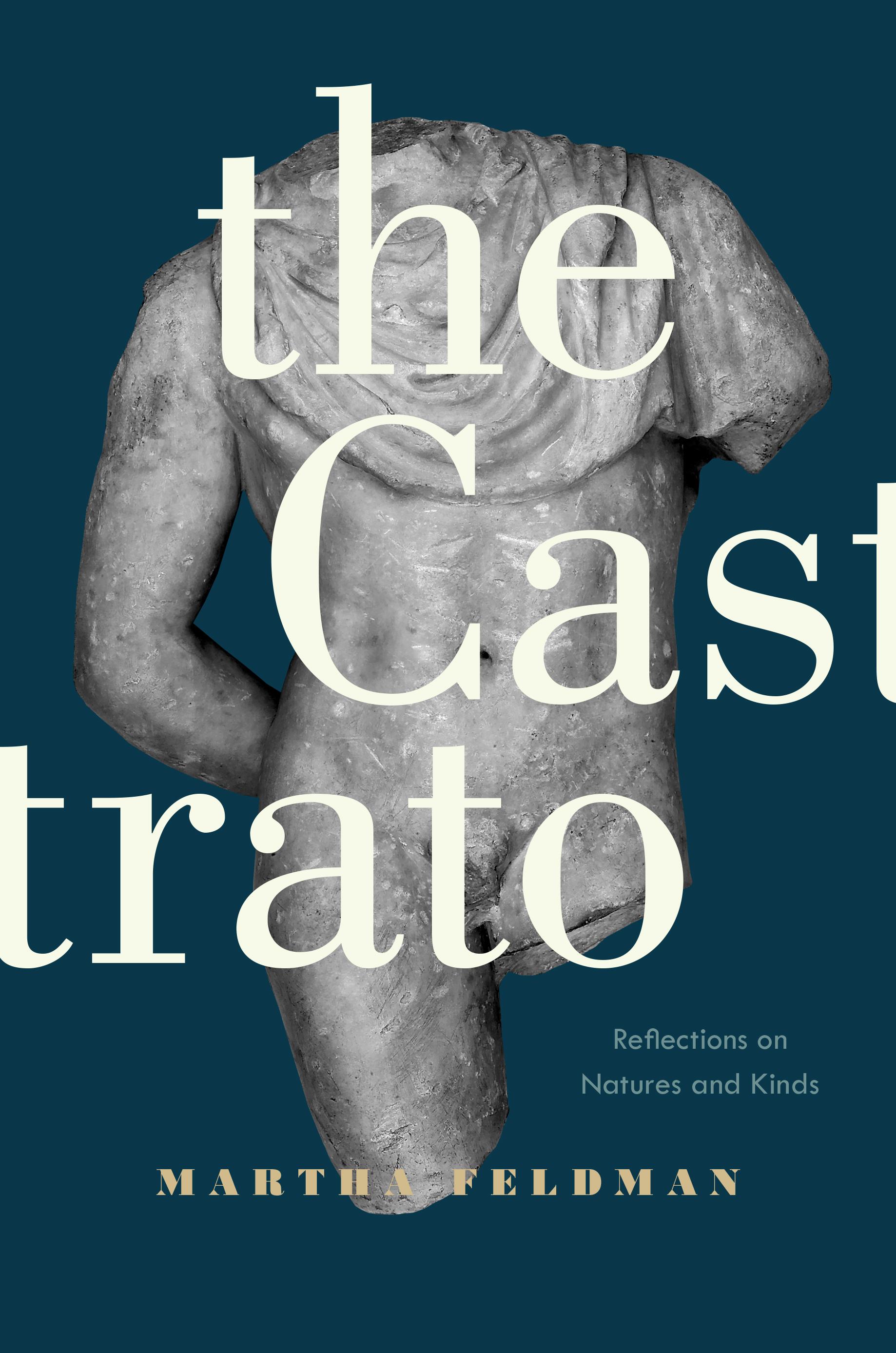
The Castrato is a nuanced exploration of why innumerable boys were castrated for singing between the mid-sixteenth and late-nineteenth centuries. It shows that the entire foundation of Western classical singing, culminating in bel canto, was birthed from an unlikely and historically unique set of desires, public and private, aesthetic, economic, and political. In Italy, castration for singing was understood through the lens of Catholic blood sacrifice as expressed in idioms of offering and renunciation and, paradoxically, in satire, verbal abuse, and even the symbolism of the castrato’s comic cousin Pulcinella. Sacrifice in turn was inseparable from the system of patriarchy—involving teachers, patrons, colleagues, and relatives—whereby castrated males were produced not as nonmen, as often thought nowadays, but as idealized males. Yet what captivated audiences and composers—from Cavalli and Pergolesi to Handel, Mozart, and Rossini—were the extraordinary capacities of castrato voices, a phenomenon ultimately unsettled by Enlightenment morality. Although the castrati failed to survive, their musicality and vocality have persisted long past their literal demise.
Payez facilement par carte, Klarna, Apple Pay ou Google Pay. Pas satisfait ? Vous avez toujours une garantie de remboursement de 14 jours. En savoir plus dans nos conditions. Si vous avez des questions, envoyez-nous un e-mail à hello@memmo.org.
Memmo facilite tes études, où que tu sois dans le monde. On rassemble tes manuels de cours et des outils d'étude intelligents au même endroit : résumés, quiz, podcasts et flashcards. Et il y a Ted, ton compagnon d'étude qui répond à toutes tes questions. Plus de 50 000 étudiants étudient déjà ici – conçu pour t'aider à apprendre plus vite et à moins stresser.
Tu pourrais aussi aimer
Acheter le livre0