
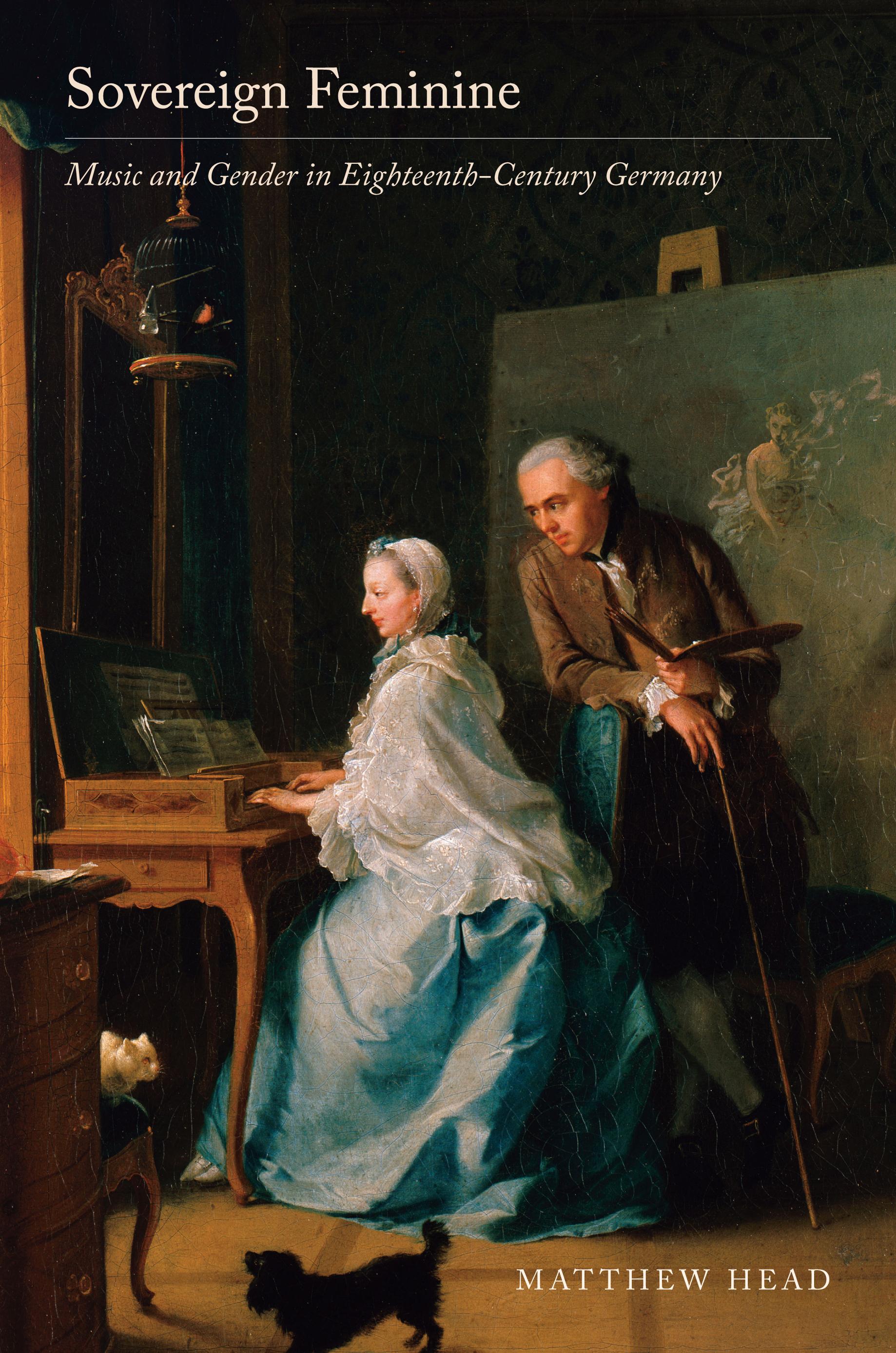
In the German states in the late eighteenth century, women flourished as musical performers and composers, their achievements measuring the progress of culture and society from barbarism to civilization. Female excellence, and related feminocentric values, were celebrated by forward-looking critics who argued for music as a fine art, a component of modern, polite, and commercial culture, rather than a symbol of institutional power. In the eyes of such critics, femininity—a newly emerging and primarily bourgeois ideal—linked women and music under the valorized signs of refinement, sensibility, virtue, patriotism, luxury, and, above all, beauty. This moment in musical history was eclipsed in the first decades of the nineteenth century, and ultimately erased from the music-historical record, by now familiar developments: the formation of musical canons, a musical history based on technical progress, the idea of masterworks, authorial autonomy, the musical sublime, and aggressively essentializing ideas about the relationship between sex, gender and art. In Sovereign Feminine, Matthew Head restores this earlier musical history and explores the role that women played in the development of classical music.
Payez facilement par carte, Klarna, Apple Pay ou Google Pay. Pas satisfait ? Vous avez toujours une garantie de remboursement de 14 jours. En savoir plus dans nos conditions. Si vous avez des questions, envoyez-nous un e-mail à hello@memmo.org.
Memmo facilite tes études, où que tu sois dans le monde. On rassemble tes manuels de cours et des outils d'étude intelligents au même endroit : résumés, quiz, podcasts et flashcards. Et il y a Ted, ton compagnon d'étude qui répond à toutes tes questions. Plus de 50 000 étudiants étudient déjà ici – conçu pour t'aider à apprendre plus vite et à moins stresser.
Tu pourrais aussi aimer
Acheter le livre0