
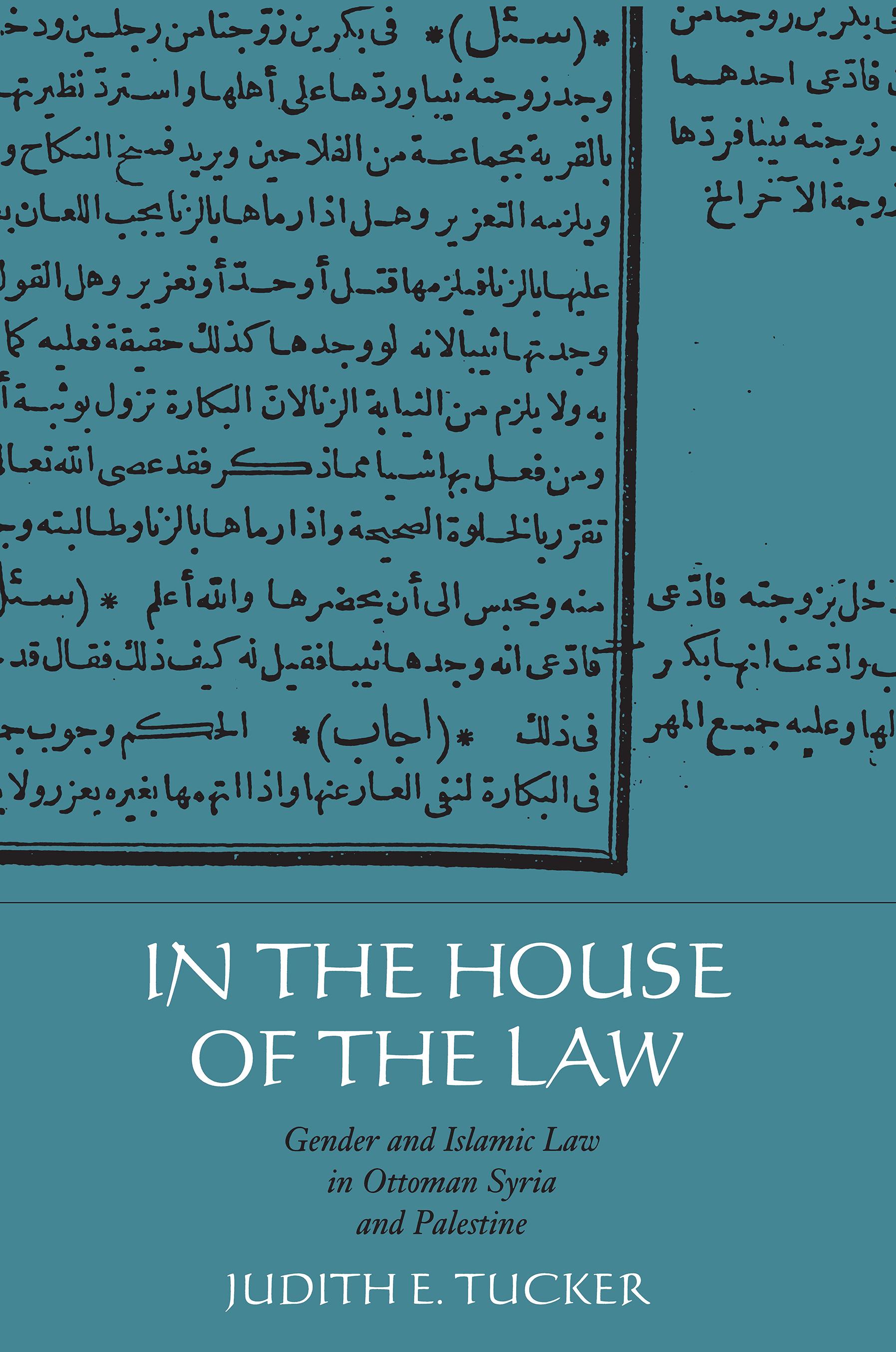
In an rewarding new study, Tucker explores the way in which Islamic legal thinkers understood Islam as it related to women and gender roles. In seventeenth and eighteenth century Syria and Palestine, Muslim legal thinkers gave considerable attention to women's roles in society, and Tucker shows how fatwas, or legal opinions, greatly influenced these roles. She challenges prevailing views on Islam and gender, revealing Islamic law to have been more fluid and flexible than previously thought. Although the legal system had a consistent patriarchal orientation, it was modulated by sensitivities to the practical needs of women, men, and children. In her comprehensive overview of a field long neglected by scholars, Tucker deepens our understanding of how societies, including our own, construct gender roles.
In an rewarding new study, Tucker explores the way in which Islamic legal thinkers understood Islam as it related to women and gender roles. In seventeenth and eighteenth century Syria and Palestine, Muslim legal thinkers gave considerable attention to wo
In an rewarding new study, Tucker explores the way in which Islamic legal thinkers understood Islam as it related to women and gender roles. In seventeenth and eighteenth century Syria and Palestine, Muslim legal thinkers gave considerable attention to wo
Payez facilement par carte, Klarna, Apple Pay ou Google Pay. Pas satisfait ? Vous avez toujours une garantie de remboursement de 14 jours. En savoir plus dans nos conditions. Si vous avez des questions, envoyez-nous un e-mail à hello@memmo.org.
Memmo facilite tes études, où que tu sois dans le monde. On rassemble tes manuels de cours et des outils d'étude intelligents au même endroit : résumés, quiz, podcasts et flashcards. Et il y a Ted, ton compagnon d'étude qui répond à toutes tes questions. Plus de 50 000 étudiants étudient déjà ici – conçu pour t'aider à apprendre plus vite et à moins stresser.
Tu pourrais aussi aimer
Acheter le livre0