
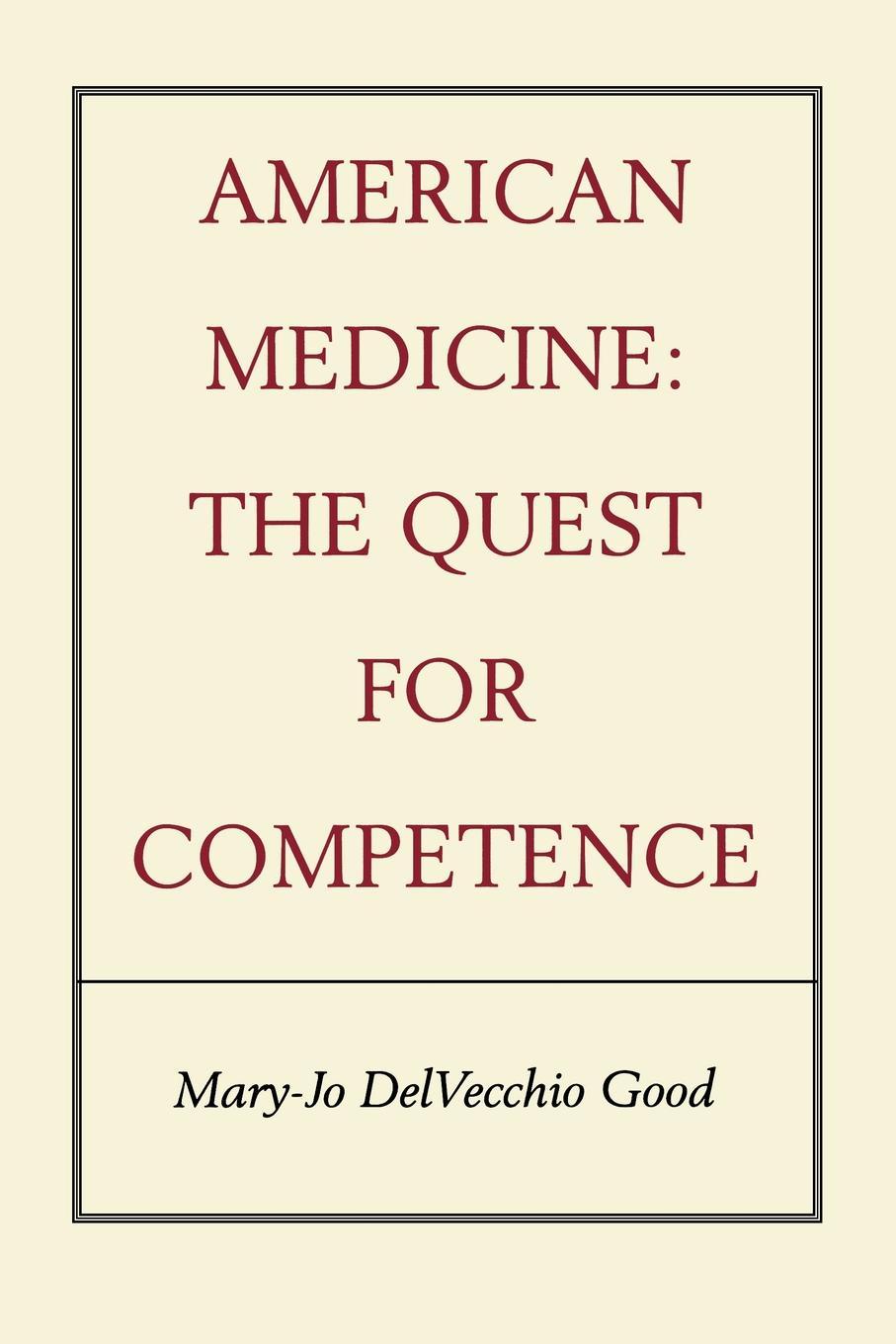
What does it mean to be a good doctor in America today? How do such challenges as new biotechnologies, the threat of malpractice suits, and proposed health-care reform affect physicians' ability to provide quality care?
These and many other crucial questions are examined in this book, the first to fully explore the meaning and politics of competence in modern American medicine. Based on Mary-Jo DelVecchio Good's recent ethnographic studies of three distinct medical communities—physicians in rural California, academics and students involved in Harvard Medical School's innovative "New Pathway" curriculum, and oncologists working on breast cancer treatment—the book demonstrates the centrality of the issue of competence throughout the medical world. Competence, it shows, provides the framework for discussing the power struggles between rural general practitioners and specialists, organizational changes in medical education, and the clinical narratives of high-technology oncologists. In their own words, practitioners, students, and academics describe what competence means to them and reveal their frustration with medical-legal institutions, malpractice, and the limitations of peer review and medical training.
Timely and provocative, this study is essential reading for medical professionals, academics, anthropologists, and sociologists, as well as health-care policymakers.
What does it mean to be a good doctor in America today? How do such challenges as new biotechnologies, the threat of malpractice suits, and proposed health-care reform affect physicians' ability to provide quality care?
These and many other cru
These and many other crucial questions are examined in this book, the first to fully explore the meaning and politics of competence in modern American medicine. Based on Mary-Jo DelVecchio Good's recent ethnographic studies of three distinct medical communities—physicians in rural California, academics and students involved in Harvard Medical School's innovative "New Pathway" curriculum, and oncologists working on breast cancer treatment—the book demonstrates the centrality of the issue of competence throughout the medical world. Competence, it shows, provides the framework for discussing the power struggles between rural general practitioners and specialists, organizational changes in medical education, and the clinical narratives of high-technology oncologists. In their own words, practitioners, students, and academics describe what competence means to them and reveal their frustration with medical-legal institutions, malpractice, and the limitations of peer review and medical training.
Timely and provocative, this study is essential reading for medical professionals, academics, anthropologists, and sociologists, as well as health-care policymakers.
What does it mean to be a good doctor in America today? How do such challenges as new biotechnologies, the threat of malpractice suits, and proposed health-care reform affect physicians' ability to provide quality care?
These and many other cru
Payez facilement par carte, Klarna, Apple Pay ou Google Pay. Pas satisfait ? Vous avez toujours une garantie de remboursement de 14 jours. En savoir plus dans nos conditions. Si vous avez des questions, envoyez-nous un e-mail à hello@memmo.org.
Memmo facilite tes études, où que tu sois dans le monde. On rassemble tes manuels de cours et des outils d'étude intelligents au même endroit : résumés, quiz, podcasts et flashcards. Et il y a Ted, ton compagnon d'étude qui répond à toutes tes questions. Plus de 50 000 étudiants étudient déjà ici – conçu pour t'aider à apprendre plus vite et à moins stresser.
Tu pourrais aussi aimer
Acheter le livre0