
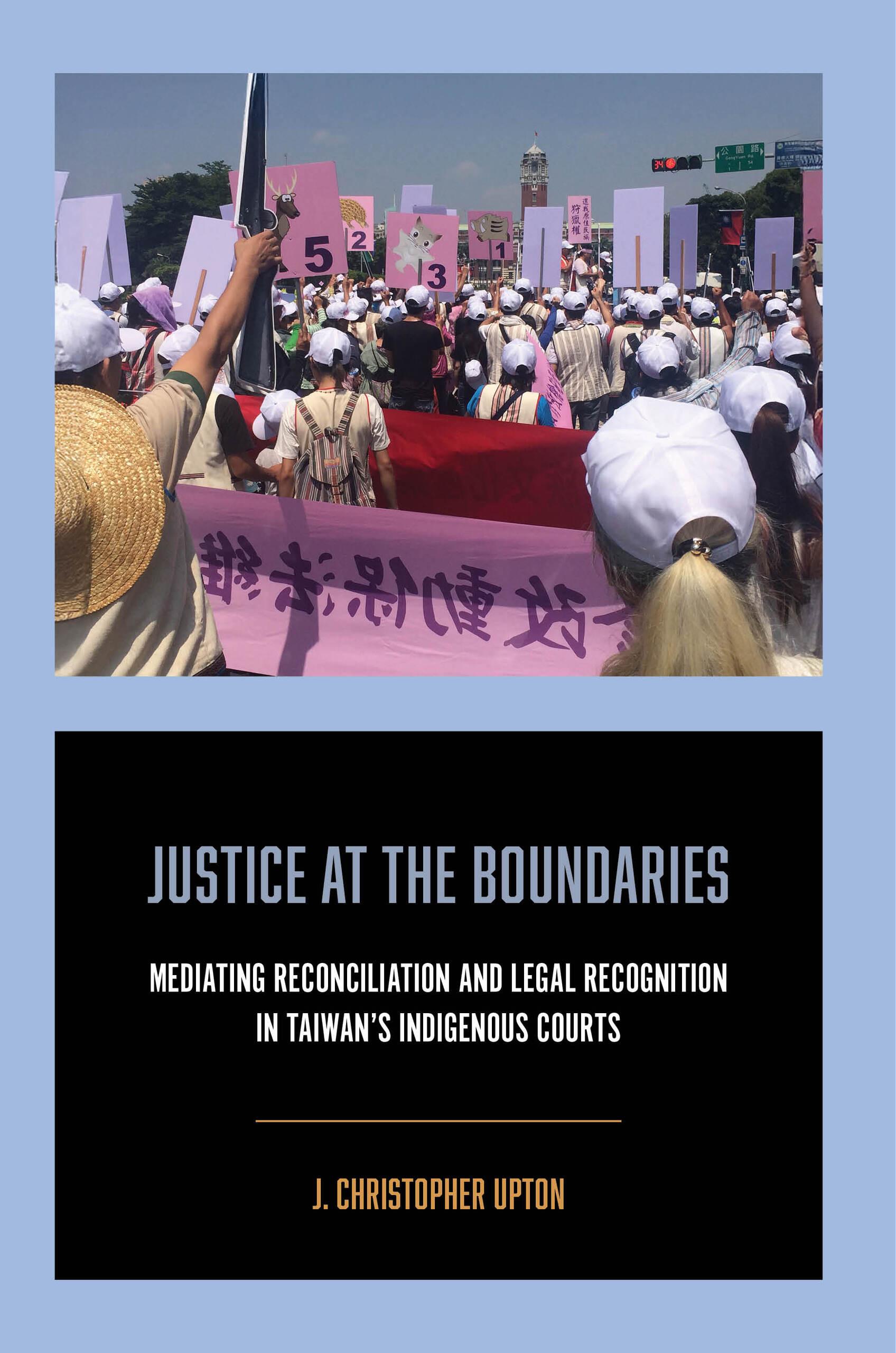
Justice at the Boundaries offers a powerful ethnographic account of the transformative potential and structural limitations of Taiwan's system of ad hoc Chambers of Indigenous Courts. Drawing on immersive fieldwork in courtrooms and Indigenous communities, J. Christopher Upton examines how judges, Indigenous litigants, and cultural brokers navigate contested terrains of law, identity, and sovereignty in a legal system shaped by ongoing processes of colonialism and aspirations of multiculturalism. From invocations of Indigenous laws to appeals to international human rights norms, the book reveals how courtroom encounters become sites of cultural negotiation, resistance, and possibility. Upton shows how Taiwan's Indigenous courts and other "boundary institutions" designed to bridge Indigenous and non-Indigenous worlds both challenge and reproduce entrenched hierarchies and power dynamics. The book brings fresh methodological and conceptual tools to the study of legal pluralism, Indigenous courts, Indigenous peoples' rights, and the complex politics of Indigenous recognition in the Asia-Pacific region and beyond.
Payez facilement par carte, Klarna, Apple Pay ou Google Pay. Pas satisfait ? Vous avez toujours une garantie de remboursement de 14 jours. En savoir plus dans nos conditions. Si vous avez des questions, envoyez-nous un e-mail à hello@memmo.org.
Memmo facilite tes études, où que tu sois dans le monde. On rassemble tes manuels de cours et des outils d'étude intelligents au même endroit : résumés, quiz, podcasts et flashcards. Et il y a Ted, ton compagnon d'étude qui répond à toutes tes questions. Plus de 50 000 étudiants étudient déjà ici – conçu pour t'aider à apprendre plus vite et à moins stresser.