
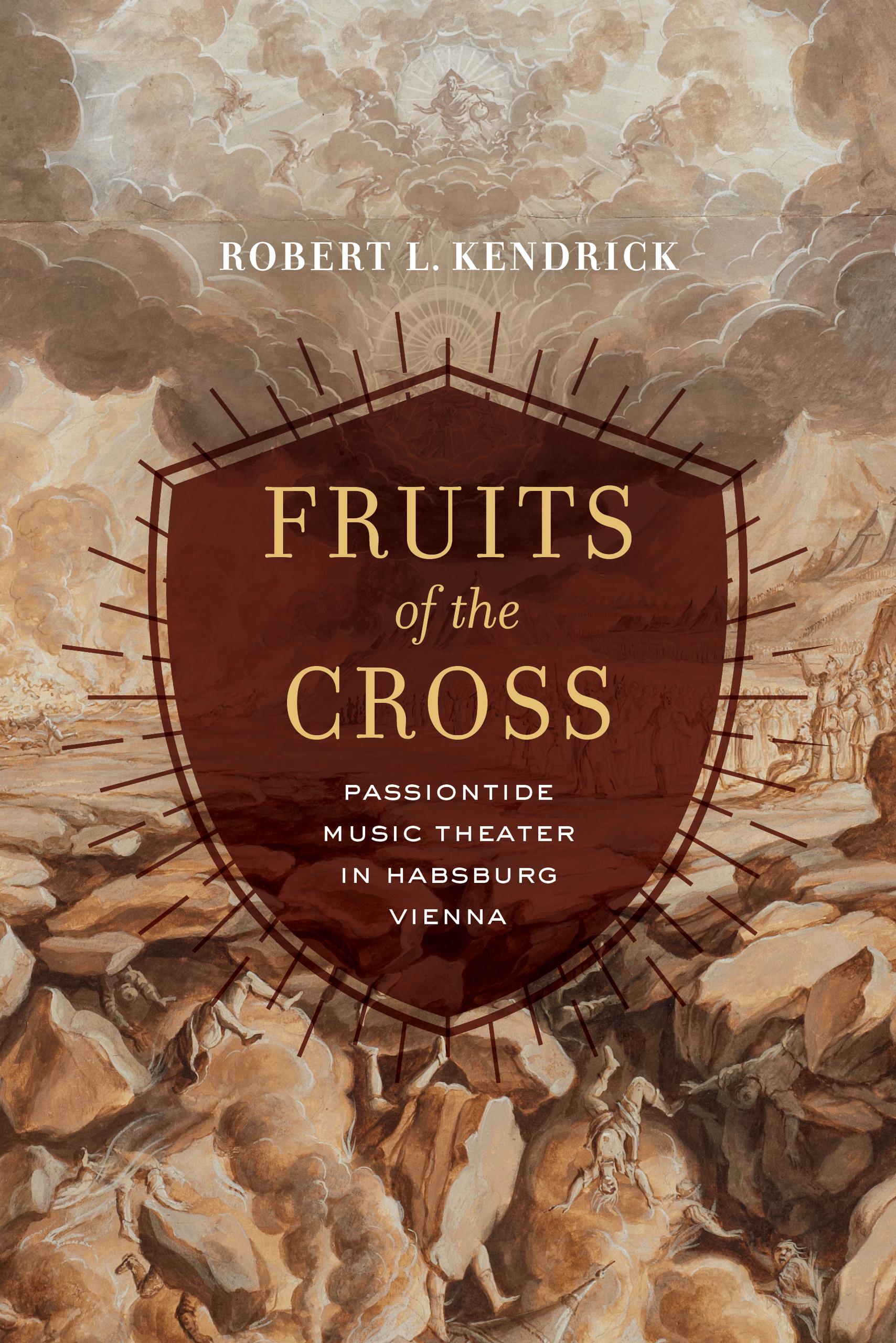
In this first detailed study of seventeenth-century sepolcri—sacred operas written for court performance on Holy Thursday and Good Friday—Robert L. Kendrick delves into the political and artistic world of Habsburg Vienna, in which music and ritual combined on the stage to produce a thoroughly original art form based on devotion to Christ’s Tomb. Through the use of allegorical characters, the musical dramas ranged from the devotionally intense, to the theologically complex, to the ugly anti-Jewish, but played a unique role in making Passion piety relevant to wider cultural concerns. Fruits of the Cross suggests that understanding the sepolcri has implications for the theatricalization of devotion, the power of allegory, the role of queenship in court ideology, the interplay between visuality and music, and not least the intellectual centrality of music theater to court self-understanding.
Payez facilement par carte, Klarna, Apple Pay ou Google Pay. Pas satisfait ? Vous avez toujours une garantie de remboursement de 14 jours. En savoir plus dans nos conditions. Si vous avez des questions, envoyez-nous un e-mail à hello@memmo.org.
Memmo facilite tes études, où que tu sois dans le monde. On rassemble tes manuels de cours et des outils d'étude intelligents au même endroit : résumés, quiz, podcasts et flashcards. Et il y a Ted, ton compagnon d'étude qui répond à toutes tes questions. Plus de 50 000 étudiants étudient déjà ici – conçu pour t'aider à apprendre plus vite et à moins stresser.
Tu pourrais aussi aimer
Acheter le livre0