
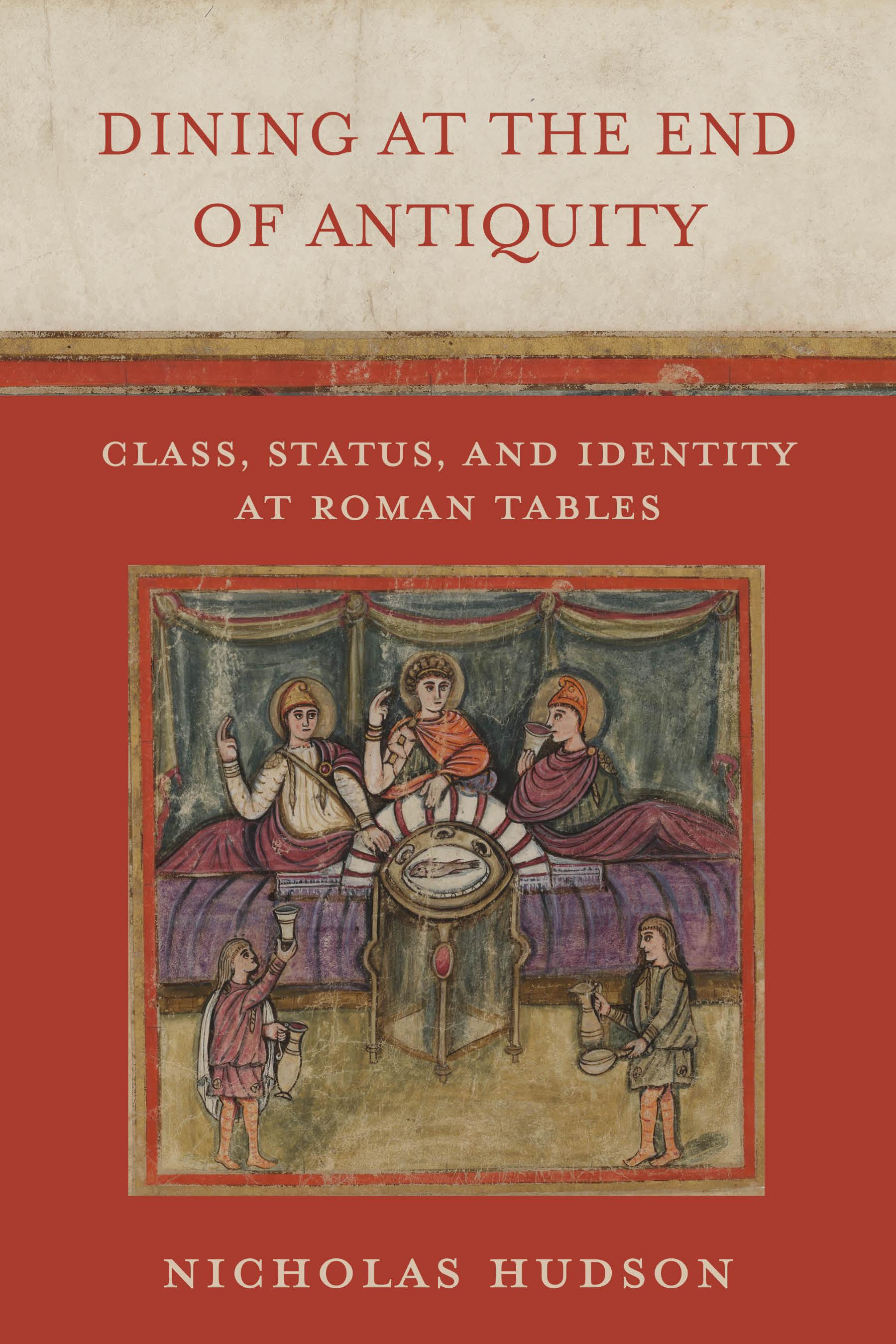
The history of dining is a story that cannot be told without archaeology. Surviving texts describe the opulent banquets of Rome’s wealthy elite but give little attention to the simpler, more intimate social gatherings of domestic invitation dinners. The lower classes, in particular, are largely ignored by literary sources. We can, however, find the voices of the underprivileged by turning to the material detritus of ancient cultures that reflects their social history. Dining at the End of Antiquity brings together the material culture and literary traditions of Romans at the table to reimagine dining culture as an integral part of Roman social order. Through a careful analysis of the tools and equipment of dining, Nicholas Hudson uncovers significant changes to the way different classes came together to share food and wine between the fourth and sixth centuries. Reconstructing the practices of Roman dining culture, Hudson explores the depths of new social distances between the powerful and the dependent at the end of antiquity.
Payez facilement par carte, Klarna, Apple Pay ou Google Pay. Pas satisfait ? Vous avez toujours une garantie de remboursement de 14 jours. En savoir plus dans nos conditions. Si vous avez des questions, envoyez-nous un e-mail à hello@memmo.org.
Memmo facilite tes études, où que tu sois dans le monde. On rassemble tes manuels de cours et des outils d'étude intelligents au même endroit : résumés, quiz, podcasts et flashcards. Et il y a Ted, ton compagnon d'étude qui répond à toutes tes questions. Plus de 50 000 étudiants étudient déjà ici – conçu pour t'aider à apprendre plus vite et à moins stresser.
Tu pourrais aussi aimer
Acheter le livre0