
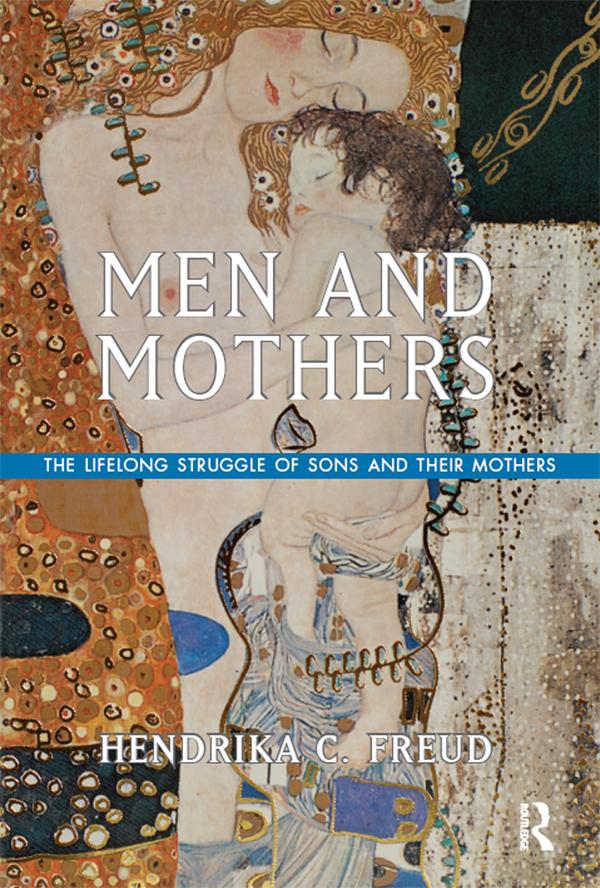
Not all men vie with their fathers for the love of their mothers. In some families the mother becomes the central figure for her son - the father is excluded (or excludes himself) and does not come between mother and son. The main thesis of this book - using clinical vignettes and quotes from the work of Marcel Proust to illustrate the author's points - is that in these cases fantasies of matricide replace patricide. Men develop their male gender identity by being permitted to separate from their mother early on, but when a man does not resolve his infantile tie to his mother he risks remaining in a passive and/or dependent position towards her. Over-identification with the mother might ensue, hampering masculine development. Mothers who seek emotional support by binding their sons too closely can become seductive towards them. The child is inclined to try to satisfy the emotional needs of his mother, and he fears rejection if he asserts his independence instead of complying.
Payez facilement par carte, Klarna, Apple Pay ou Google Pay. Pas satisfait ? Vous avez toujours une garantie de remboursement de 14 jours. En savoir plus dans nos conditions. Si vous avez des questions, envoyez-nous un e-mail à hello@memmo.org.
Memmo facilite tes études, où que tu sois dans le monde. On rassemble tes manuels de cours et des outils d'étude intelligents au même endroit : résumés, quiz, podcasts et flashcards. Et il y a Ted, ton compagnon d'étude qui répond à toutes tes questions. Plus de 50 000 étudiants étudient déjà ici – conçu pour t'aider à apprendre plus vite et à moins stresser.
Tu pourrais aussi aimer
Acheter le livre0