
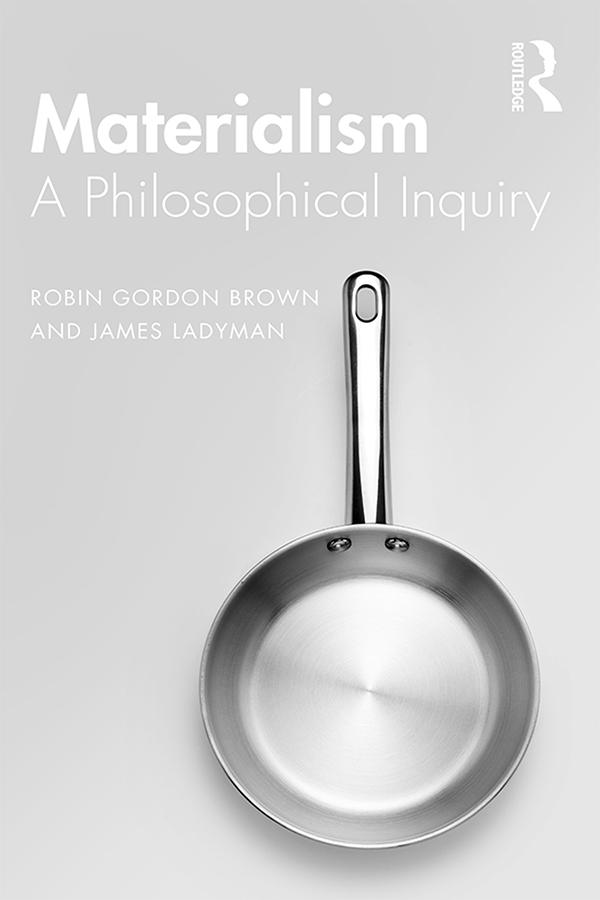
The doctrine of materialism is one of the most controversial in the history of ideas. For much of its history it has been aligned with toleration and enlightened thinking, but it has also aroused strong, often violent, passions amongst both its opponents and proponents. This book explores the development of materialism in an engaging and thought-provoking way and defends the form it takes in the twenty-first century.
Opening with an account of the ideas of some of the most important thinkers in the materialist tradition, including Epicurus, Lucretius, Hobbes, Hume, Darwin and Marx, the authors discuss materialism’s origins, as an early form of naturalistic explanation and as an intellectual outlook about life and the world in general. They explain how materialism’s beginnings as an imaginative vision of the true nature of things faced a major challenge from the physics it did so much to facilitate, which now portrays the microscopic world in a way incompatible with traditional materialism. Brown and Ladyman explain how out of this challenge materialism developed into the new doctrine of physicalism.
Drawing on a wide range of colourful examples, the authors argue that although materialism does not have all the answers, its humanism and commitment to naturalistic explanation and the scientific method is our best philosophical hope in the ideological maelstrom of the modern world.
Payez facilement par carte, Klarna, Apple Pay ou Google Pay. Pas satisfait ? Vous avez toujours une garantie de remboursement de 14 jours. En savoir plus dans nos conditions. Si vous avez des questions, envoyez-nous un e-mail à hello@memmo.org.
Memmo facilite tes études, où que tu sois dans le monde. On rassemble tes manuels de cours et des outils d'étude intelligents au même endroit : résumés, quiz, podcasts et flashcards. Et il y a Ted, ton compagnon d'étude qui répond à toutes tes questions. Plus de 50 000 étudiants étudient déjà ici – conçu pour t'aider à apprendre plus vite et à moins stresser.