
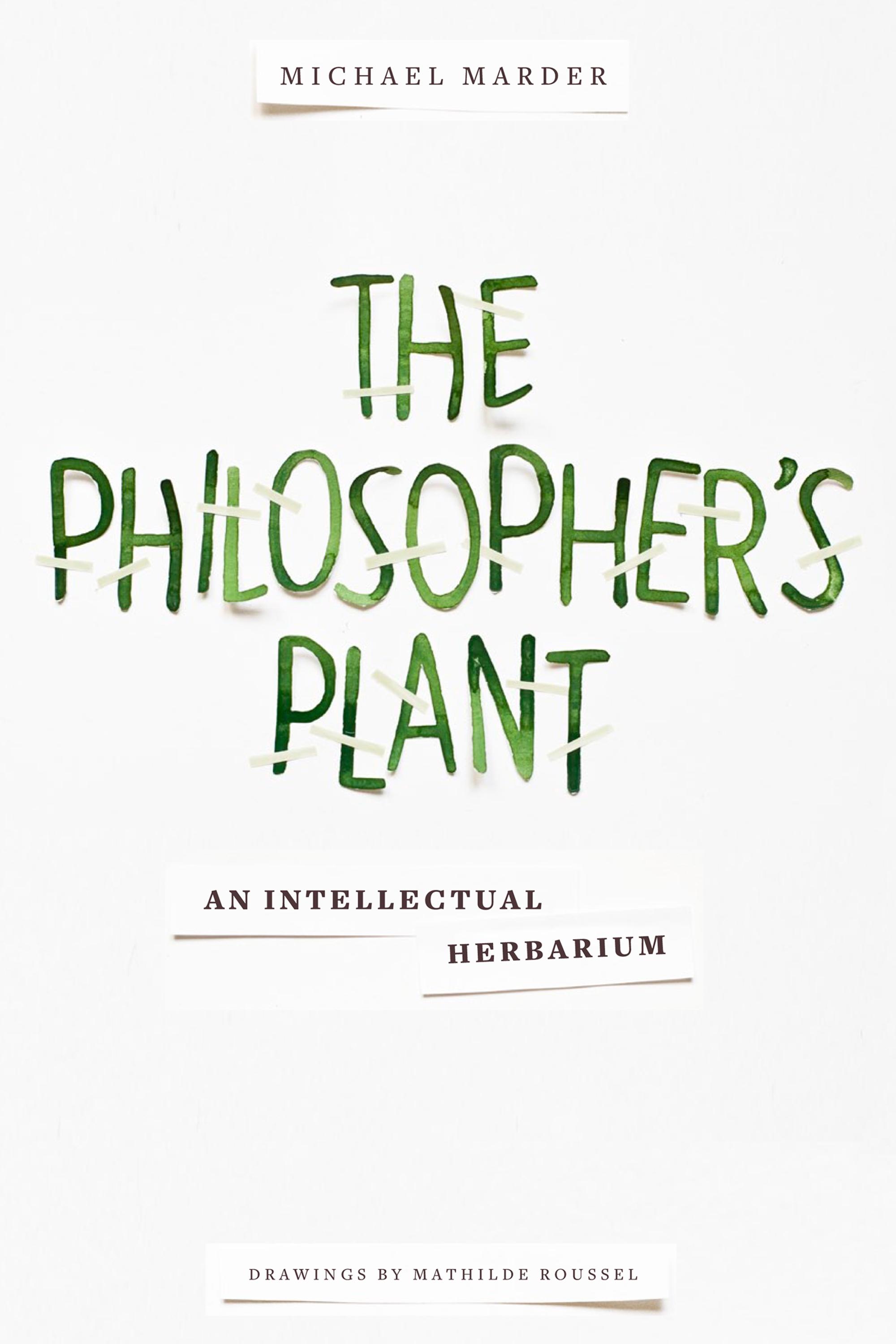
Despite their conceptual allergy to vegetal life, philosophers have used germination, growth, blossoming, fruition, reproduction, and decay as illustrations of abstract concepts; mentioned plants in passing as the natural backdrops for dialogues, letters, and other compositions; spun elaborate allegories out of flowers, trees, and even grass; and recommended appropriate medicinal, dietary, and aesthetic approaches to select species of plants.
In this book, Michael Marder illuminates the vegetal centerpieces and hidden kernels that have powered theoretical discourse for centuries. Choosing twelve botanical specimens that correspond to twelve significant philosophers, he recasts the development of philosophy through the evolution of human and plant relations. A philosophical history for the postmetaphysical age, The Philosopher's Plant reclaims the organic heritage of human thought. With the help of vegetal images, examples, and metaphors, the book clears a path through philosophy's tangled roots and dense undergrowth, opening up the discipline to all readers.
Payez facilement par carte, Klarna, Apple Pay ou Google Pay. Pas satisfait ? Vous avez toujours une garantie de remboursement de 14 jours. En savoir plus dans nos conditions. Si vous avez des questions, envoyez-nous un e-mail à hello@memmo.org.
Memmo facilite tes études, où que tu sois dans le monde. On rassemble tes manuels de cours et des outils d'étude intelligents au même endroit : résumés, quiz, podcasts et flashcards. Et il y a Ted, ton compagnon d'étude qui répond à toutes tes questions. Plus de 50 000 étudiants étudient déjà ici – conçu pour t'aider à apprendre plus vite et à moins stresser.