
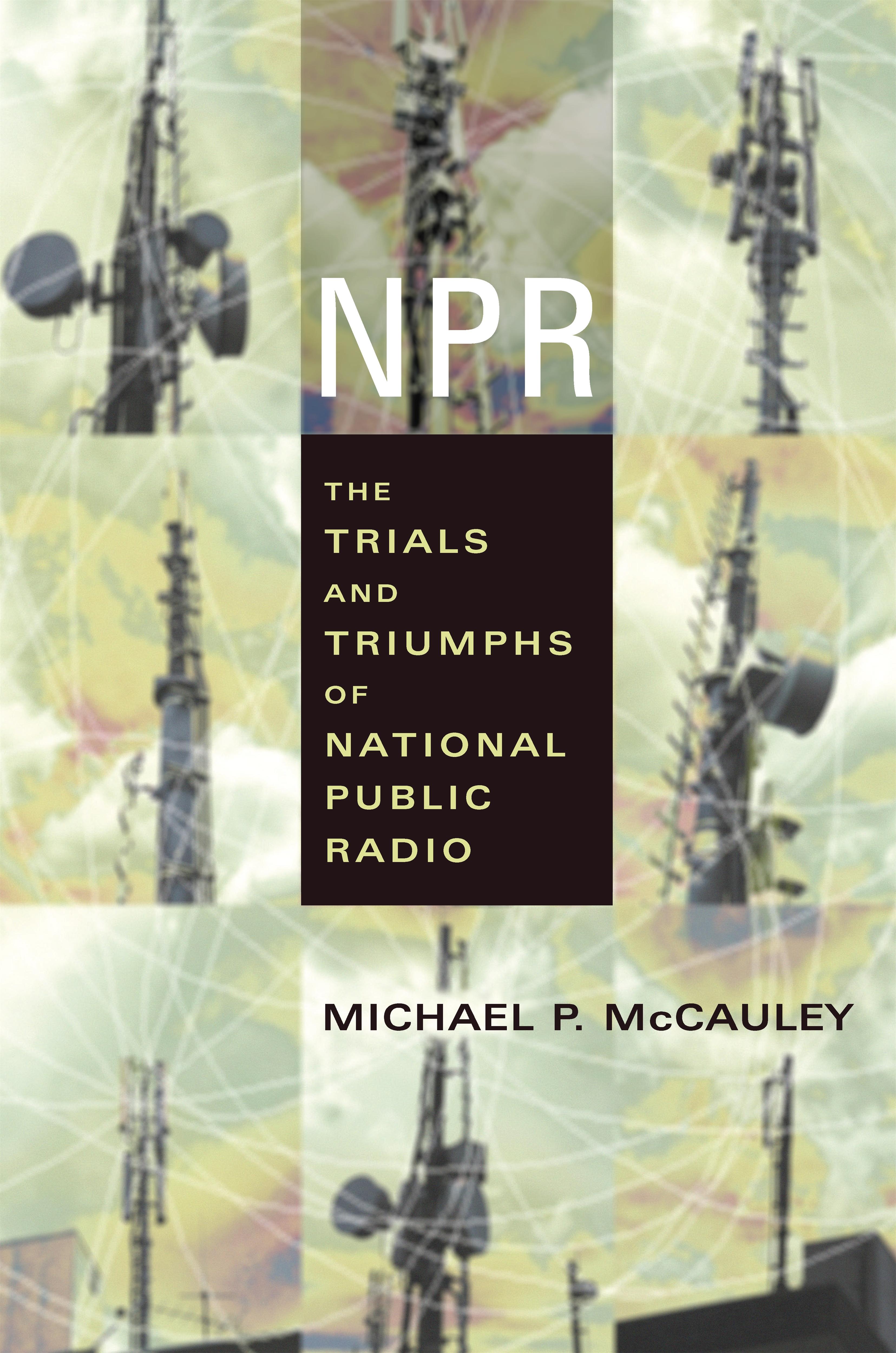
The people who shaped America's public broadcasting system thought it should be "a civilized voice in a civilized community"—a clear alternative to commercial broadcasting. This book tells the story of how NPR has tried to embody this idea. Michael P. McCauley describes NPR's evolution from virtual obscurity in the early 1970s, when it was riddled with difficulties—political battles, unseasoned leadership, funding problems—to a first-rate broadcast organization.
The book draws on a wealth of primary evidence, including fifty-seven interviews with people who have been central to the NPR story, and it places the network within the historical context of the wider U.S. radio industry. Since the late 1970s, NPR has worked hard to understand the characteristics of its audience. Because of this, its content is now targeted toward its most loyal listeners—highly educated baby-boomers, for the most part—who help support their local stations through pledges and fund drives.
Payez facilement par carte, Klarna, Apple Pay ou Google Pay. Pas satisfait ? Vous avez toujours une garantie de remboursement de 14 jours. En savoir plus dans nos conditions. Si vous avez des questions, envoyez-nous un e-mail à hello@memmo.org.
Memmo facilite tes études, où que tu sois dans le monde. On rassemble tes manuels de cours et des outils d'étude intelligents au même endroit : résumés, quiz, podcasts et flashcards. Et il y a Ted, ton compagnon d'étude qui répond à toutes tes questions. Plus de 50 000 étudiants étudient déjà ici – conçu pour t'aider à apprendre plus vite et à moins stresser.