
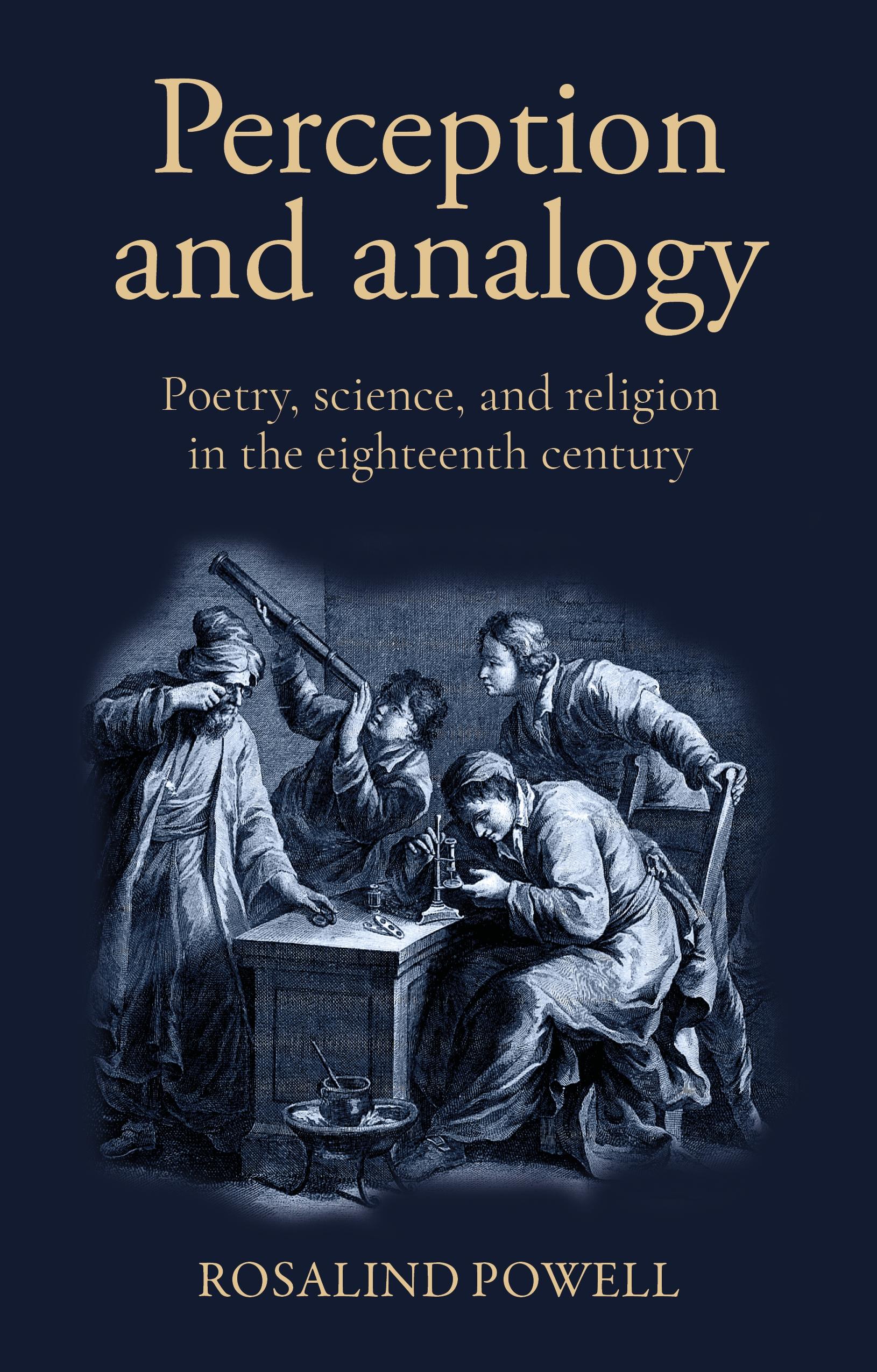
Perception and analogy explores ways of seeing scientifically in the eighteenth century. The book examines how sensory experience is conceptualised during the period, drawing novel connections between treatments of perception as an embodied phenomenon and the creative methods employed by natural philosophers. Covering a wealth of literary, theological, and pedagogical texts that engage with astronomy, optics, ophthalmology, and the body, it argues for the significance of analogies for conceptualising and explaining new scientific ideas. As well as identifying their use in religious and topographical poetry, the book addresses how analogies are visible in material culture through objects such as orreries, camera obscuras, and aeolian harps. It makes the vital claim that scientific concepts become intertwined with Christian discourse through reinterpretations of origins and signs, the scope of the created universe, and the limits of embodied knowledge.
Maksa helposti kortilla, Klarnalla, Apple Paylla tai Google Paylla. Etkö ole tyytyväinen? Sinulla on aina 14 päivän palautusoikeus. Lue lisää ehdoistamme. Jos sinulla on kysyttävää, lähetä meille sähköpostia osoitteeseen hello@memmo.org.
Memmo tekee opiskelusta helpompaa – missä päin maailmaa ikinä oletkin. Meillä yhdistät kurssikirjat ja fiksut opiskelutyökalut yhteen paikkaan: tiivistelmät, visat, podcastit ja muistikortit. Ja sitten Ted, opiskelukaverisi, joka vastaa kaikkeen, mitä ikinä mietitkin. Yli 50 000 opiskelijaa opiskelee jo täällä – rakennettu auttamaan sinua oppimaan nopeammin ja stressaamaan vähemmän.
Saatat pitää myös näistä
Osta kirja0