
A valuable, important, persuasively argued book. Highly recommended. ― Choice
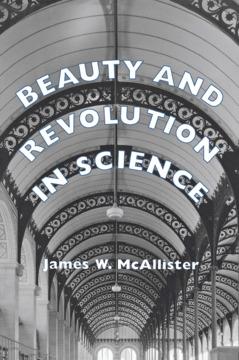
Explaining why he embraced the theory of relativity, the Nobel Prize-winning theoretical physicist P. A. M. Dirac stated, "It is the essential beauty of the theory which I feel is the real reason for believing in it." How reasonable and rational can science be when its practitioners speak of "revolutions" in their thinking and extol certain theories for their "beauty"? James W. McAllister addresses this question with the first systematic study of the aesthetic evaluations that scientists pass on their theories.
Using a wealth of other examples, McAllister explains how scientists' aesthetic preferences are influenced by the empirical track record of theories, describes the origin and development of aesthetic styles of theorizing, and reconsiders whether simplicity is an empirical or an aesthetic virtue of theories.
McAllister then advances an innovative model of scientific revolutions, in opposition to that of Thomas S. Kuhn. Three detailed studies demonstrate the interconnection of empirical performance, beauty, and revolution. One examines the impact of new construction materials on the history of architecture. Another reexamines the transition from the Ptolemaic system to Kepler's theory in planetary astronomy, and the third documents the rise of relativity and quantum theory in the twentieth century.
Maksa helposti kortilla, Klarnalla, Apple Paylla tai Google Paylla. Etkö ole tyytyväinen? Sinulla on aina 14 päivän palautusoikeus. Lue lisää ehdoistamme. Jos sinulla on kysyttävää, lähetä meille sähköpostia osoitteeseen hello@memmo.org.
Memmo tekee opiskelusta helpompaa – missä päin maailmaa ikinä oletkin. Meillä yhdistät kurssikirjat ja fiksut opiskelutyökalut yhteen paikkaan: tiivistelmät, visat, podcastit ja muistikortit. Ja sitten Ted, opiskelukaverisi, joka vastaa kaikkeen, mitä ikinä mietitkin. Yli 50 000 opiskelijaa opiskelee jo täällä – rakennettu auttamaan sinua oppimaan nopeammin ja stressaamaan vähemmän.