
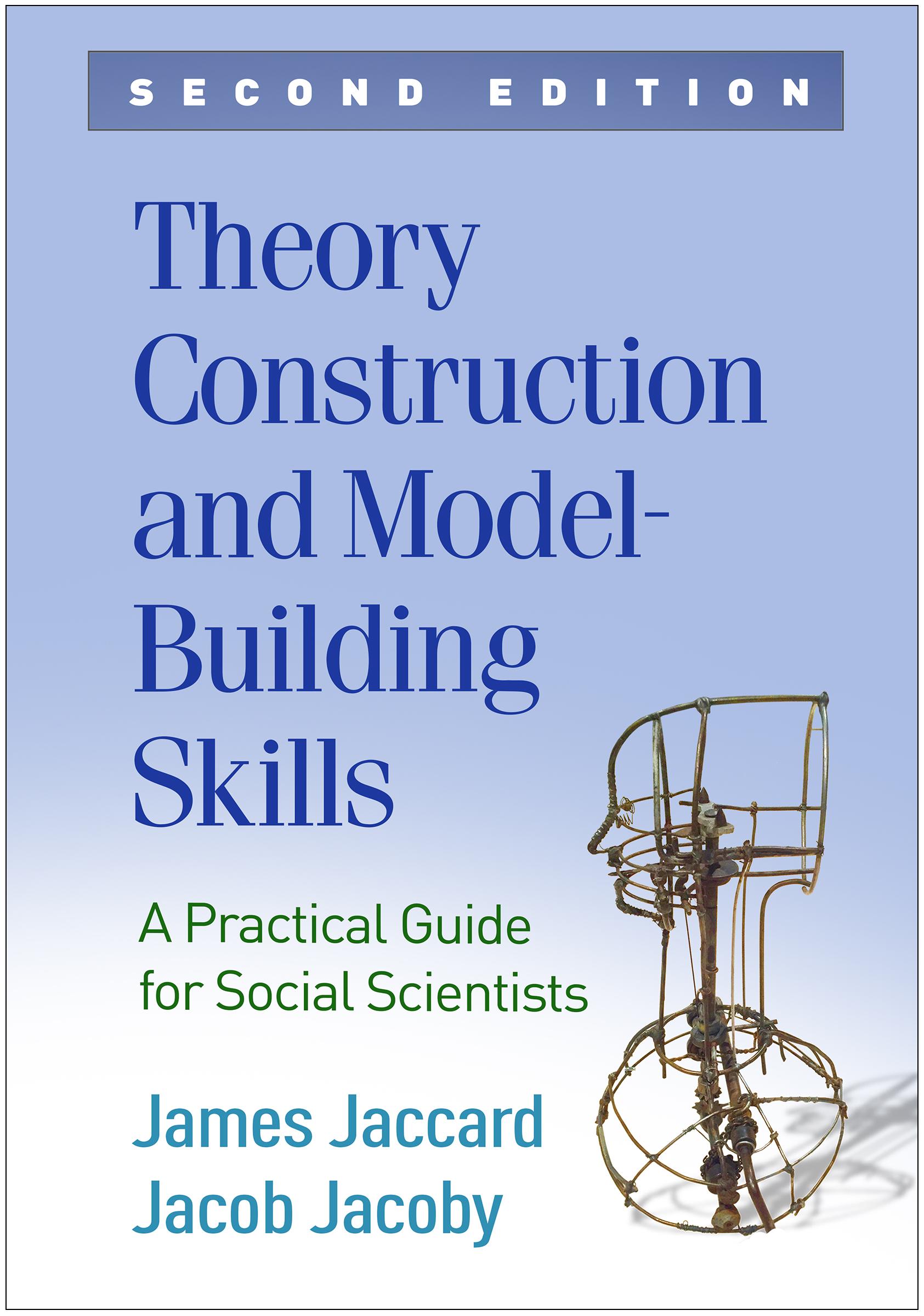
This accessible, hands-on text has now been revised and updated, with expanded coverage of topics including how theory may emerge from exploratory data analysis. The book prepares graduate students, new researchers, and even seasoned investigators to develop their own theories and build on existing ones. Concrete strategies are provided to help readers generate ideas, define constructs, and think through relationships and processes that link constructs. Compelling examples from multiple disciplines illustrate the use of quantitative, qualitative, and mixed methods orientations to theory construction. The text also offers practical advice for writing effectively about theories in papers and grant applications. Readers learn by doing via application and concept exercises, demonstration boxes, and practical guidelines. The extensive companion website (www.theory-construction.com) includes PowerPoint slides of all of the book’s figures, primers on advanced topics, video demonstrations, supplemental exercises, and other resources.
New to This Edition
*Emergent theory is now covered in mixed methods as well as qualitative approaches, plus in a new chapter on exploratory quantitative methods that can help generate new theory through data mining.
*Chapter on whether and how to revise a theory when faced with disconfirmatory data.
*Two chapters on the theoretical underpinnings of measurement practices.
*New or expanded discussions of what constitutes a theoretical contribution, conceptual logic models, thought experiments, and more.
Pedagogical Features
*Application and concept exercises in every chapter.
*Lists of key terms and engaging topical boxes.
*Annotated suggestions for further reading.
*New companion website with rich resources for students and instructors.
*Chapters stand on their own and can be used in any order.
New to This Edition
*Emergent theory is now covered in mixed methods as well as qualitative approaches, plus in a new chapter on exploratory quantitative methods that can help generate new theory through data mining.
*Chapter on whether and how to revise a theory when faced with disconfirmatory data.
*Two chapters on the theoretical underpinnings of measurement practices.
*New or expanded discussions of what constitutes a theoretical contribution, conceptual logic models, thought experiments, and more.
Pedagogical Features
*Application and concept exercises in every chapter.
*Lists of key terms and engaging topical boxes.
*Annotated suggestions for further reading.
*New companion website with rich resources for students and instructors.
*Chapters stand on their own and can be used in any order.
Maksa helposti kortilla, Klarnalla, Apple Paylla tai Google Paylla. Etkö ole tyytyväinen? Sinulla on aina 14 päivän palautusoikeus. Lue lisää ehdoistamme. Jos sinulla on kysyttävää, lähetä meille sähköpostia osoitteeseen hello@memmo.org.
Memmo tekee opiskelusta helpompaa – missä päin maailmaa ikinä oletkin. Meillä yhdistät kurssikirjat ja fiksut opiskelutyökalut yhteen paikkaan: tiivistelmät, visat, podcastit ja muistikortit. Ja sitten Ted, opiskelukaverisi, joka vastaa kaikkeen, mitä ikinä mietitkin. Yli 50 000 opiskelijaa opiskelee jo täällä – rakennettu auttamaan sinua oppimaan nopeammin ja stressaamaan vähemmän.
Saatat pitää myös näistä
Osta kirja0