
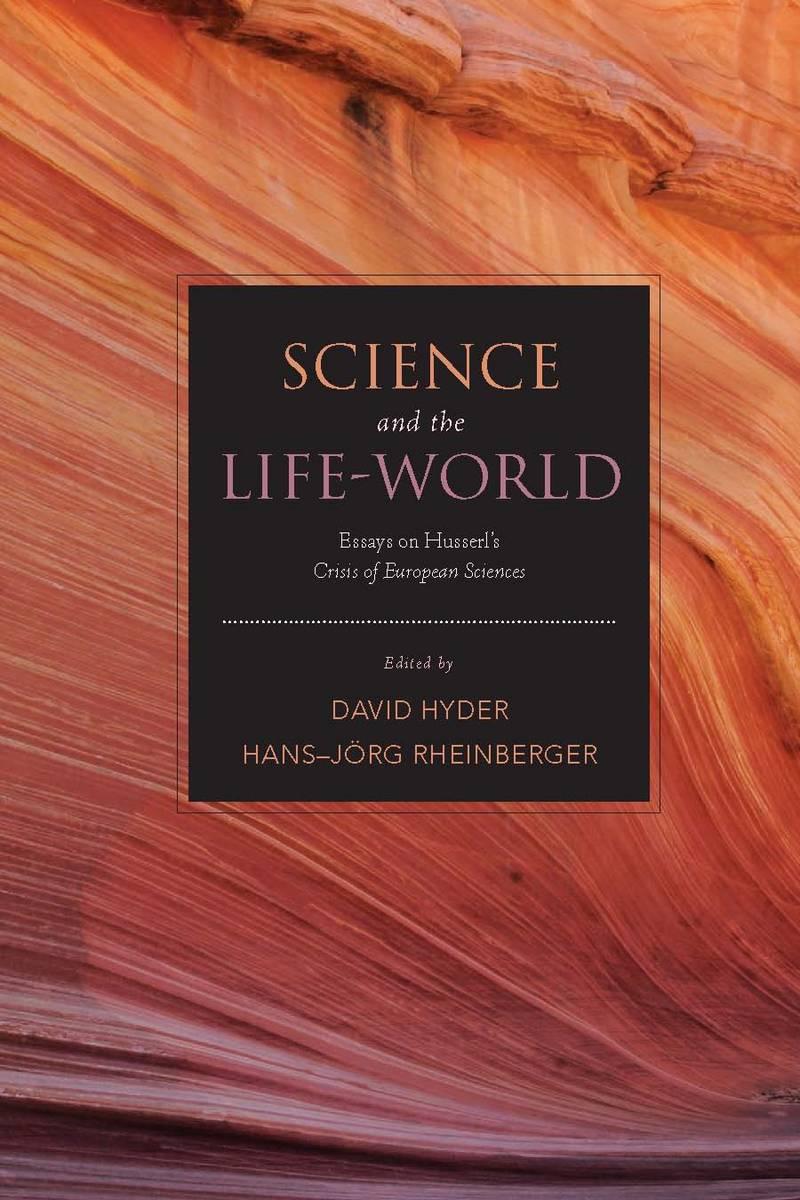
This book is a collection of essays on Husserl's Crisis of European Sciences by leading philosophers of science and scholars of Husserl. Published and ignored under the Nazi dictatorship, Husserl's last work has never received the attention its author's prominence demands. In the Crisis, Husserl considers the gap that has grown between the "life-world" of everyday human experience and the world of mathematical science. He argues that the two have become disconnected because we misunderstand our own scientific past—we confuse mathematical idealities with concrete reality and thereby undermine the validity of our immediate experience. The philosopher's foundational work in the theory of intentionality is relevant to contemporary discussions of qualia, naive science, and the fact-value distinction. The scholars included in this volume consider Husserl's diagnosis of this "crisis" and his proposed solution. Topics addressed include Husserl's late philosophy, the relation between scientific and everyday objects and "worlds," the history of Greek and Galilean science, the philosophy of history, and Husserl's influence on Foucault.
Maksa helposti kortilla, Klarnalla, Apple Paylla tai Google Paylla. Etkö ole tyytyväinen? Sinulla on aina 14 päivän palautusoikeus. Lue lisää ehdoistamme. Jos sinulla on kysyttävää, lähetä meille sähköpostia osoitteeseen hello@memmo.org.
Memmo tekee opiskelusta helpompaa – missä päin maailmaa ikinä oletkin. Meillä yhdistät kurssikirjat ja fiksut opiskelutyökalut yhteen paikkaan: tiivistelmät, visat, podcastit ja muistikortit. Ja sitten Ted, opiskelukaverisi, joka vastaa kaikkeen, mitä ikinä mietitkin. Yli 50 000 opiskelijaa opiskelee jo täällä – rakennettu auttamaan sinua oppimaan nopeammin ja stressaamaan vähemmän.