
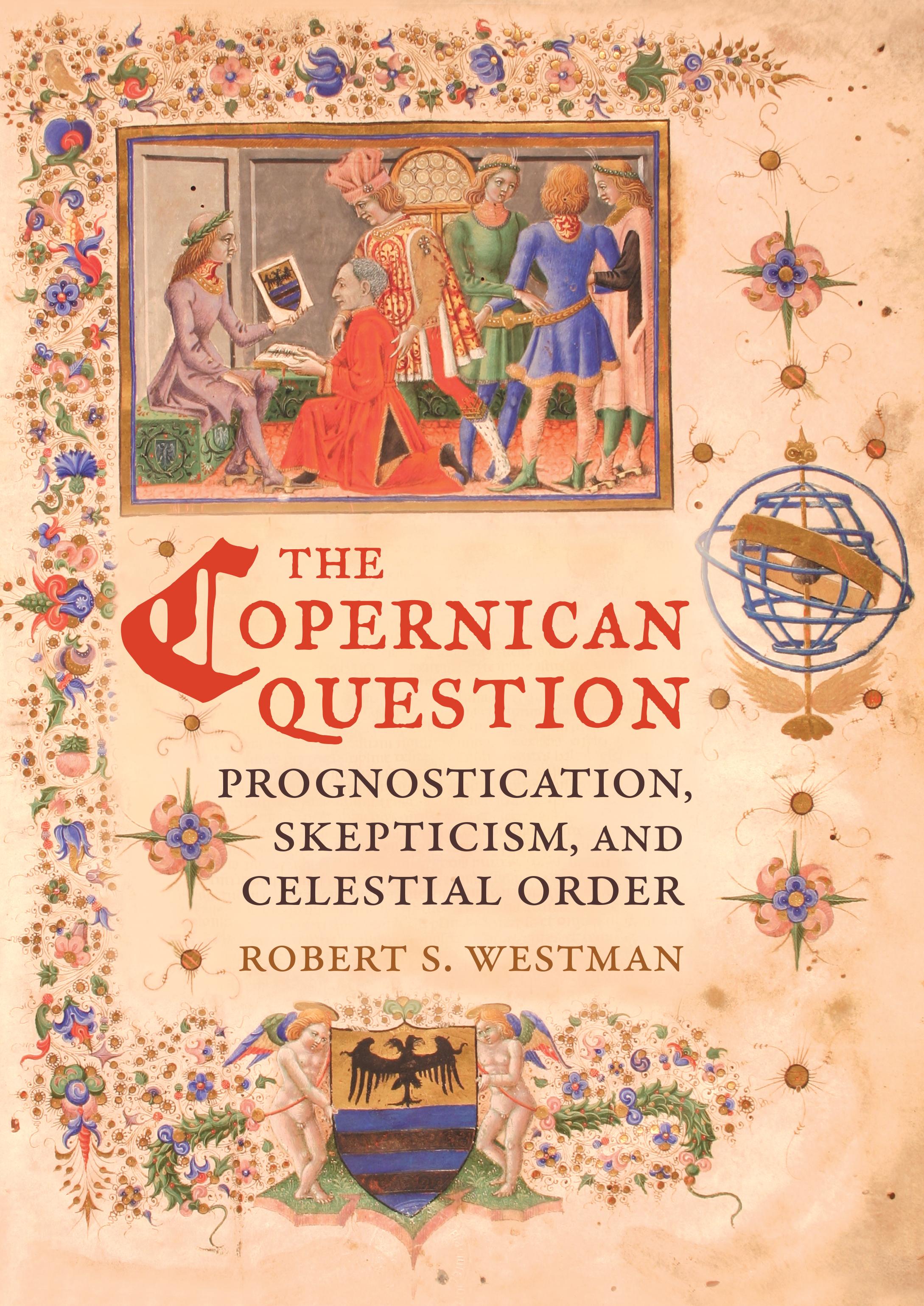
In 1543, Nicolaus Copernicus publicly defended his hypothesis that the earth is a planet and the sun a body resting near the center of a finite universe. But why did Copernicus make this bold proposal? And why did it matter? The Copernican Question reframes this pivotal moment in the history of science, centering the story on a conflict over the credibility of astrology that erupted in Italy just as Copernicus arrived in 1496. Copernicus engendered enormous resistance when he sought to protect astrology by reconstituting its astronomical foundations. Robert S. Westman shows that efforts to answer the astrological skeptics became a crucial unifying theme of the early modern scientific movement. His interpretation of this "long sixteenth century," from the 1490s to the 1610s, offers a new framework for understanding the great transformations in natural philosophy in the century that followed.
Maksa helposti kortilla, Klarnalla, Apple Paylla tai Google Paylla. Etkö ole tyytyväinen? Sinulla on aina 14 päivän palautusoikeus. Lue lisää ehdoistamme. Jos sinulla on kysyttävää, lähetä meille sähköpostia osoitteeseen hello@memmo.org.
Memmo tekee opiskelusta helpompaa – missä päin maailmaa ikinä oletkin. Meillä yhdistät kurssikirjat ja fiksut opiskelutyökalut yhteen paikkaan: tiivistelmät, visat, podcastit ja muistikortit. Ja sitten Ted, opiskelukaverisi, joka vastaa kaikkeen, mitä ikinä mietitkin. Yli 50 000 opiskelijaa opiskelee jo täällä – rakennettu auttamaan sinua oppimaan nopeammin ja stressaamaan vähemmän.
Saatat pitää myös näistä
Osta kirja0