
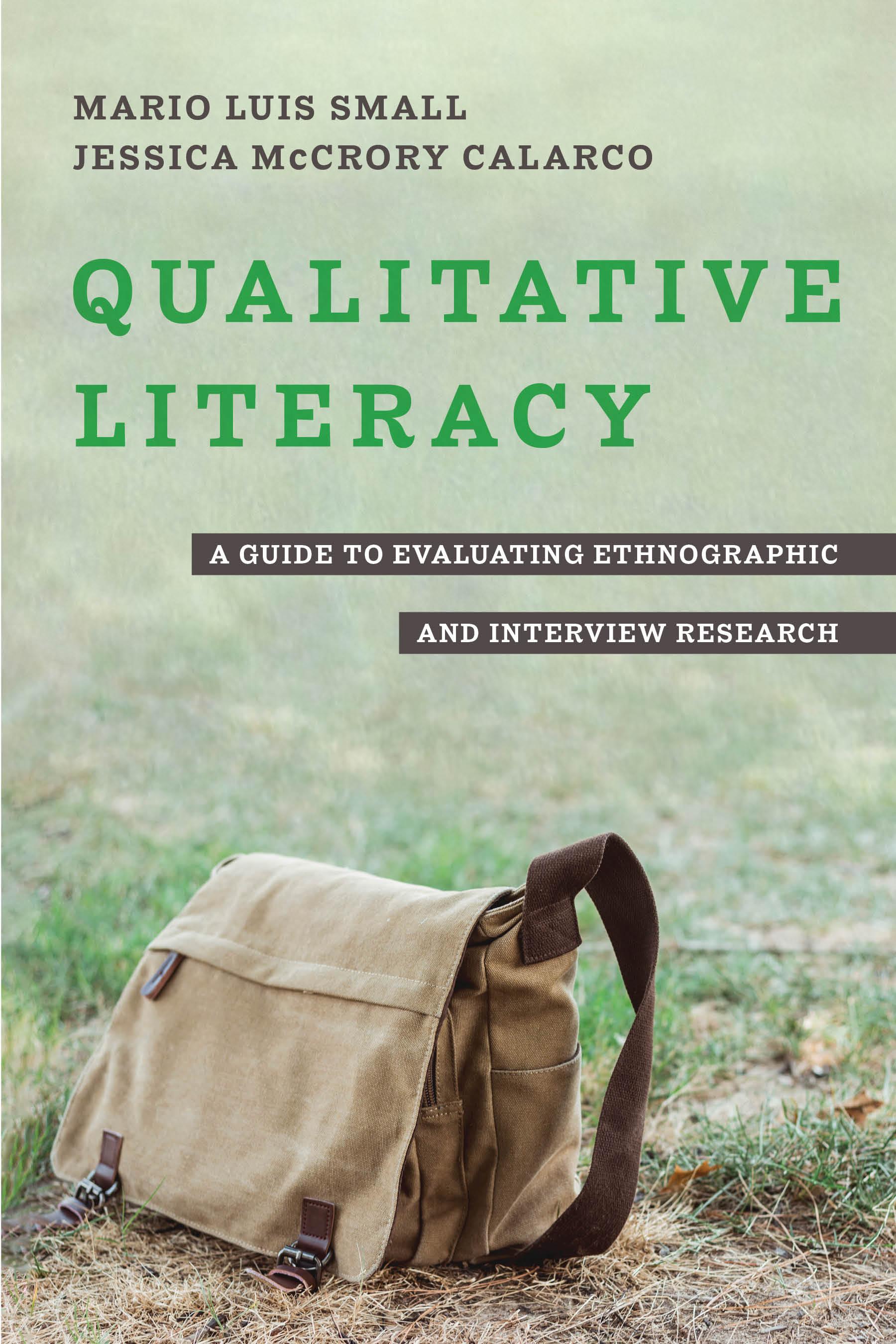
Suppose you were given two qualitative studies: one is a piece of empirically sound social science and the other, though interesting and beautifully written, is not. How would you tell the difference? Qualitative Literacy presents criteria to assess qualitative research methods such as in-depth interviewing and participant observation. Qualitative research is indispensable to the study of inequality, poverty, education, public health, immigration, the family, and criminal justice. Each of the hundreds of ethnographic and interview studies published yearly on these issues is scientifically either sound or unsound. This guide provides social scientists, researchers, students, evaluators, policy makers, and journalists with the tools needed to identify and evaluate quality in field research.
Maksa helposti kortilla, Klarnalla, Apple Paylla tai Google Paylla. Etkö ole tyytyväinen? Sinulla on aina 14 päivän palautusoikeus. Lue lisää ehdoistamme. Jos sinulla on kysyttävää, lähetä meille sähköpostia osoitteeseen hello@memmo.org.
Memmo tekee opiskelusta helpompaa – missä päin maailmaa ikinä oletkin. Meillä yhdistät kurssikirjat ja fiksut opiskelutyökalut yhteen paikkaan: tiivistelmät, visat, podcastit ja muistikortit. Ja sitten Ted, opiskelukaverisi, joka vastaa kaikkeen, mitä ikinä mietitkin. Yli 50 000 opiskelijaa opiskelee jo täällä – rakennettu auttamaan sinua oppimaan nopeammin ja stressaamaan vähemmän.
Saatat pitää myös näistä
Osta kirja0