
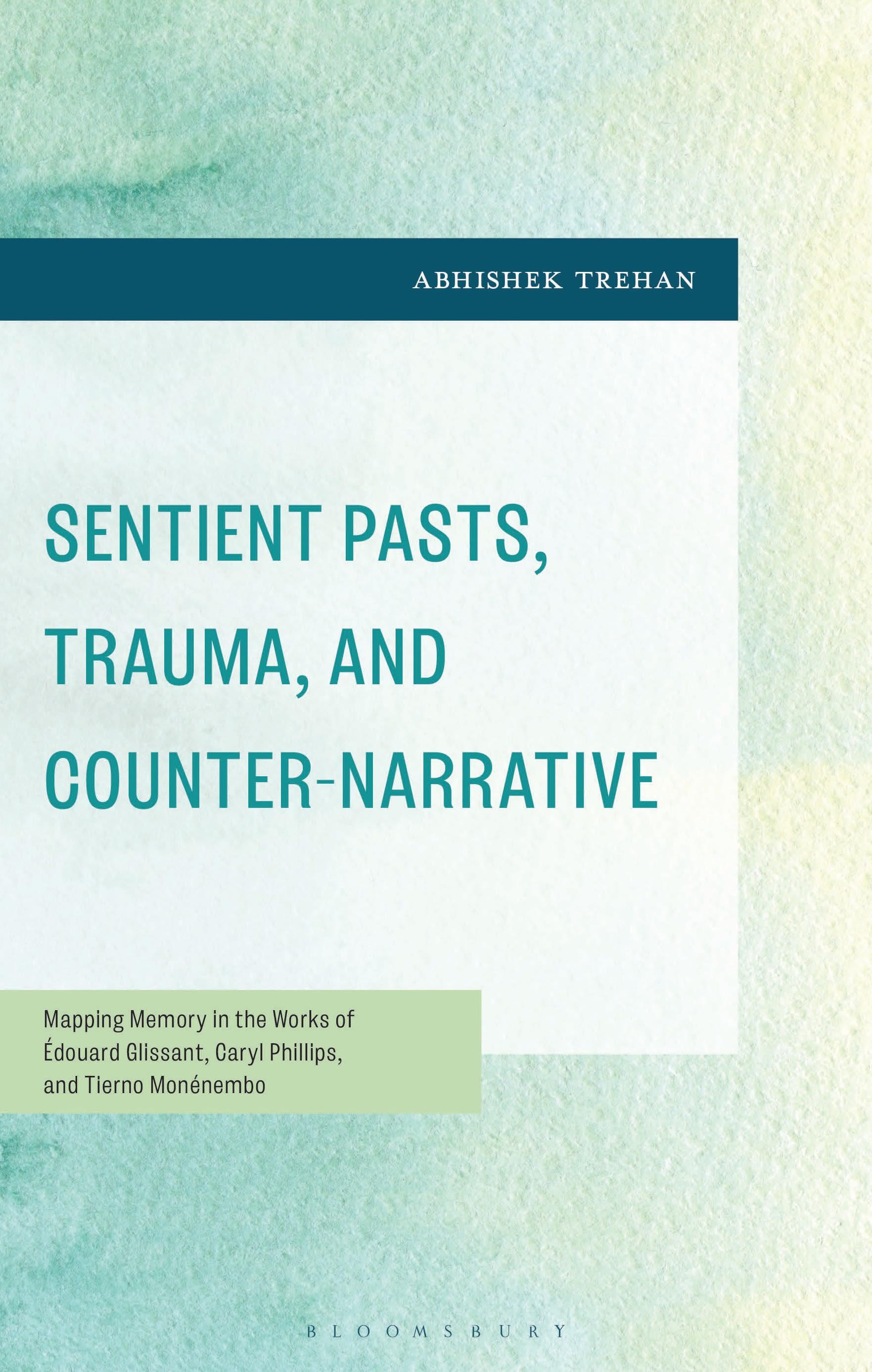
Drawing upon the theories of memory studies, this book challenges the historical authenticity of colonialism in the works of Édouard Glissant, Caryl Phillips, and Tierno Monénembo as they seek to place their fiction in the aftermath of reparative histories.
Trehan examines not only the histories of displacement, diasporic traditions, genocidal trauma or continuation of colonialist affiliations in postcolonial societies, but the creative resistance to hegemony. Focusing on the embedded historical memory, the author examines the implications of remembrance (including selective remembering and forgetting) in the process of decolonization-bringing forth the struggle of representation and recognition. This book probes the transmission of traumatic memory across generations by amplifying the nexus between history and memory, reading beyond nation-based interpretations. By comparing the continuity of colonial legacy in the works of Glissant, Phillips, and Monénembo, Trehan examines a model of postcolonial inheritance to understand how ordinary people relate to the question of political expression by focusing on the colonial history, memory, and trauma.
Trehan examines not only the histories of displacement, diasporic traditions, genocidal trauma or continuation of colonialist affiliations in postcolonial societies, but the creative resistance to hegemony. Focusing on the embedded historical memory, the author examines the implications of remembrance (including selective remembering and forgetting) in the process of decolonization-bringing forth the struggle of representation and recognition. This book probes the transmission of traumatic memory across generations by amplifying the nexus between history and memory, reading beyond nation-based interpretations. By comparing the continuity of colonial legacy in the works of Glissant, Phillips, and Monénembo, Trehan examines a model of postcolonial inheritance to understand how ordinary people relate to the question of political expression by focusing on the colonial history, memory, and trauma.
Pages: 128
Category: Kultur-, Genus- & Postkoloniala studier
e-ISBN: 9798765188620
Shipping weight: 1.2 kg
Ships in: 1-2 days
Pay easily by card, Klarna, Apple Pay or Google Pay. Not happy? You always have a 14-day money-back guarantee. Read more in our terms. If you have any questions, email us at hello@memmo.org.
Memmo makes studying easier – wherever you are in the world. We bring your course books and smart study tools together in one place: summaries, quizzes, podcasts and flashcards. Plus Ted, your study buddy who answers anything you wonder. Over 50,000 students already study here – built to help you learn faster and stress less.