
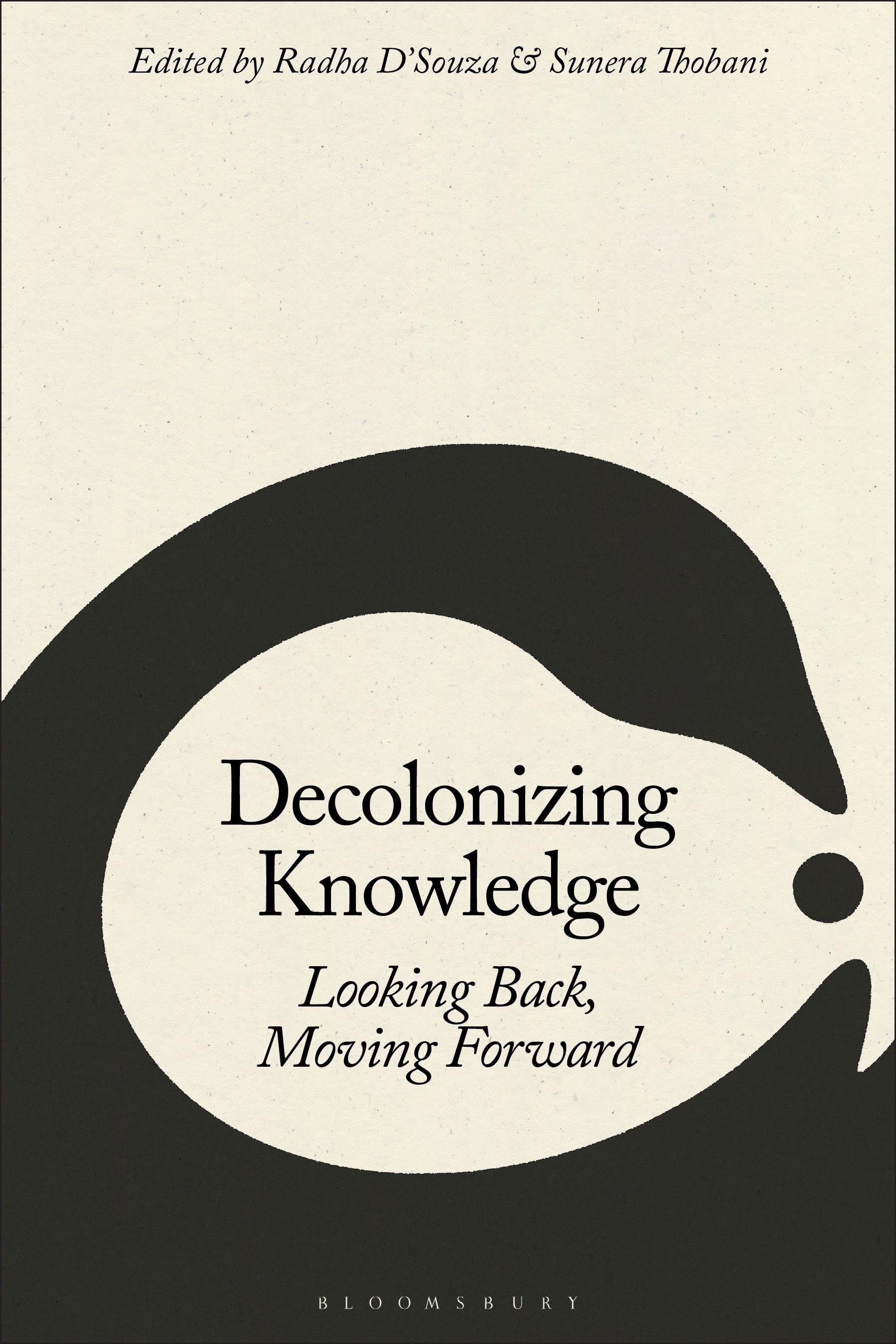
Interdisciplinary scholars rethink strategies for moving contemporary decolonization politics forward by revisiting the writings of the mid-20th century anti-colonial movements' leading intellectuals.
Decolonizing Knowledge draws on intellectual histories of anti-colonial thinkers who developed their ideas of decolonization through practical engagement with struggles for freedom from colonialism. Reading works by J.P.S. Uberoi, Frantz Fanon, Aimé Césaire, C.L.R. James and Andaiye, among others, interdisciplinary activist scholars reflect on the meaning of decolonization that emerged from anti-colonial struggles of the past and its relevance today.
Each chapter in the volume reflects on one or more texts from anti-colonial thinkers of the past to draw out the meaning of decolonization as conceptualized by earlier generations, providing key insights from their thinking and examining their relevance for contemporary struggles for racial, gender and class justice. With authors writing from multiple disciplines, these essays straddle a range of themes from theory and practice, art and literature, gender and violence, and political economy, to address a subject that is preoccupying academia and activists in the 21st century.
Decolonizing Knowledge is an intervention into contemporary debates on decolonizing curricula and universities, arguing that these calls need to be firmly engaged in wider social practices for justice, and that they can learn much from those who wrote on the topic amid the 20th century's many struggles for freedom.
Decolonizing Knowledge draws on intellectual histories of anti-colonial thinkers who developed their ideas of decolonization through practical engagement with struggles for freedom from colonialism. Reading works by J.P.S. Uberoi, Frantz Fanon, Aimé Césaire, C.L.R. James and Andaiye, among others, interdisciplinary activist scholars reflect on the meaning of decolonization that emerged from anti-colonial struggles of the past and its relevance today.
Each chapter in the volume reflects on one or more texts from anti-colonial thinkers of the past to draw out the meaning of decolonization as conceptualized by earlier generations, providing key insights from their thinking and examining their relevance for contemporary struggles for racial, gender and class justice. With authors writing from multiple disciplines, these essays straddle a range of themes from theory and practice, art and literature, gender and violence, and political economy, to address a subject that is preoccupying academia and activists in the 21st century.
Decolonizing Knowledge is an intervention into contemporary debates on decolonizing curricula and universities, arguing that these calls need to be firmly engaged in wider social practices for justice, and that they can learn much from those who wrote on the topic amid the 20th century's many struggles for freedom.
Pay easily by card, Klarna, Apple Pay or Google Pay. Not happy? You always have a 14-day money-back guarantee. Read more in our terms. If you have any questions, email us at hello@memmo.org.
Memmo makes studying easier – wherever you are in the world. We bring your course books and smart study tools together in one place: summaries, quizzes, podcasts and flashcards. Plus Ted, your study buddy who answers anything you wonder. Over 50,000 students already study here – built to help you learn faster and stress less.