
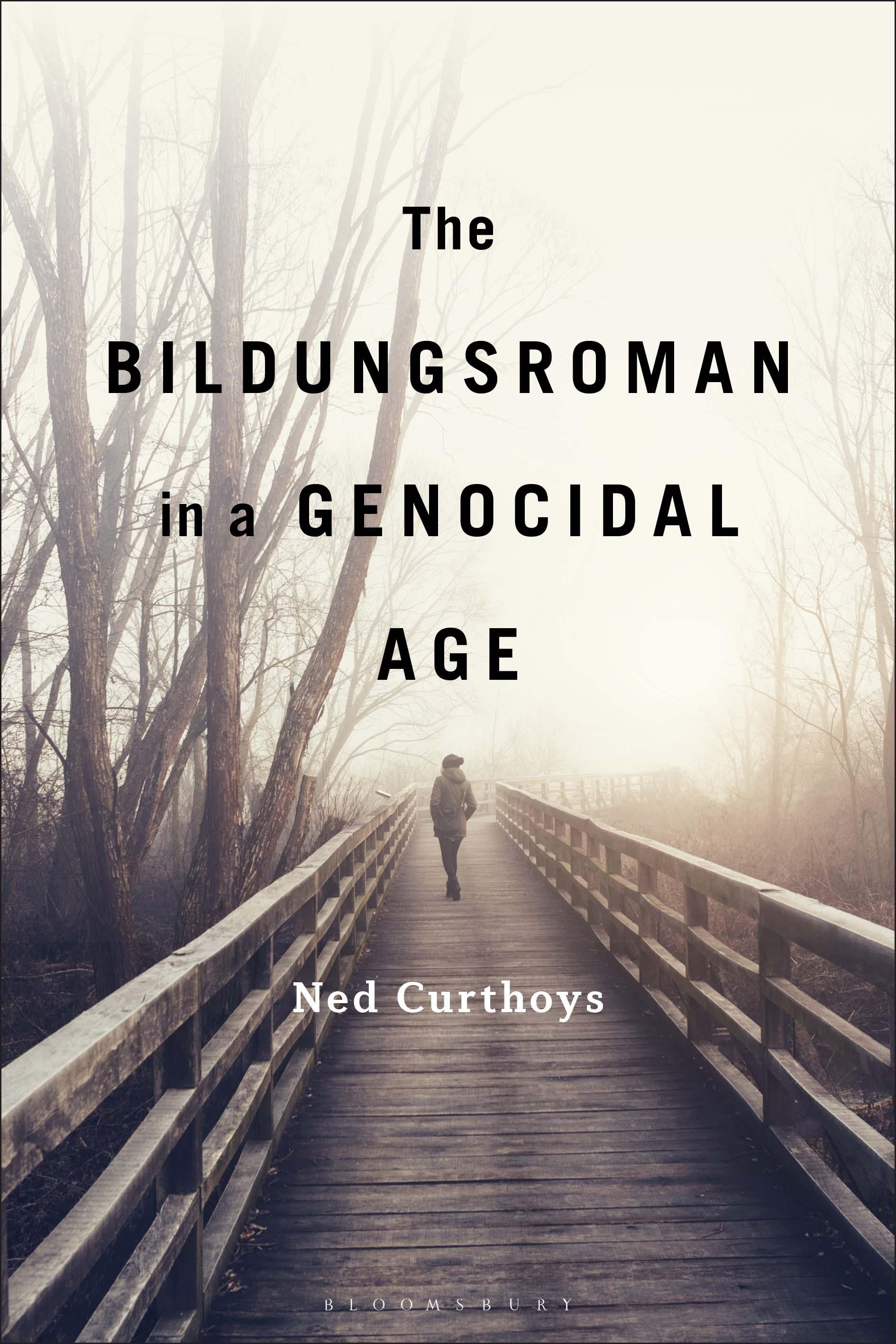
The Bildungsroman in a Genocidal Age argues that the humanist ideal of Bildung, the cultivation of the potentialities of the self through self-reflection, travel, and varied social intercourse, has been revitalized in an age of genocidal violence. It examines the Bildungsroman as a flourishing intermedial genre encompassing contemporary historical fiction, historical feature films, and children's and YA literature. Analysing a number of highly influential novels and films about the Holocaust and World War II (WWII), the book argues that the narrative strategies of the Bildungsroman, which includes a swerve away from 'home' and its parochialism and moral certainties, has contributed to shaping audience perceptions of traumatic histories and their ethical implications in the twenty-first century.
The Bildungsroman in a Genocidal Age examines some of the most keenly discussed, and controversial historical fictions of recent decades including The Remains of the Day (1989), The Kindly Ones (2006, English trans. 2009), The Boy in the Striped Pyjamas (2006), and Margarethe von Trotta's biopic Hannah Arendt (2012). It argues that in portraying a protagonist who defers or refuses a prescribed social destiny, these novels and films are sensitive to the 'Eichmann problematic' of the 'banality of evil' as formulated by Hannah Arendt. These Bildungsromane, the study suggests, are designed to address the problem of the social reproduction of normative, unimaginative, and conformist mindsets that can enable totalitarian politics and genocidal policies.
The Bildungsroman in a Genocidal Age examines some of the most keenly discussed, and controversial historical fictions of recent decades including The Remains of the Day (1989), The Kindly Ones (2006, English trans. 2009), The Boy in the Striped Pyjamas (2006), and Margarethe von Trotta's biopic Hannah Arendt (2012). It argues that in portraying a protagonist who defers or refuses a prescribed social destiny, these novels and films are sensitive to the 'Eichmann problematic' of the 'banality of evil' as formulated by Hannah Arendt. These Bildungsromane, the study suggests, are designed to address the problem of the social reproduction of normative, unimaginative, and conformist mindsets that can enable totalitarian politics and genocidal policies.
Pages: 168
Category: Litteraturvetenskap & Teori
e-ISBN: 9798765103906
Shipping weight: 1.2 kg
Ships in: 1-2 days
Pay easily by card, Klarna, Apple Pay or Google Pay. Not happy? You always have a 14-day money-back guarantee. Read more in our terms. If you have any questions, email us at hello@memmo.org.
Memmo makes studying easier – wherever you are in the world. We bring your course books and smart study tools together in one place: summaries, quizzes, podcasts and flashcards. Plus Ted, your study buddy who answers anything you wonder. Over 50,000 students already study here – built to help you learn faster and stress less.