
2026 PROSE Award Finalist in Music & The Performing Arts
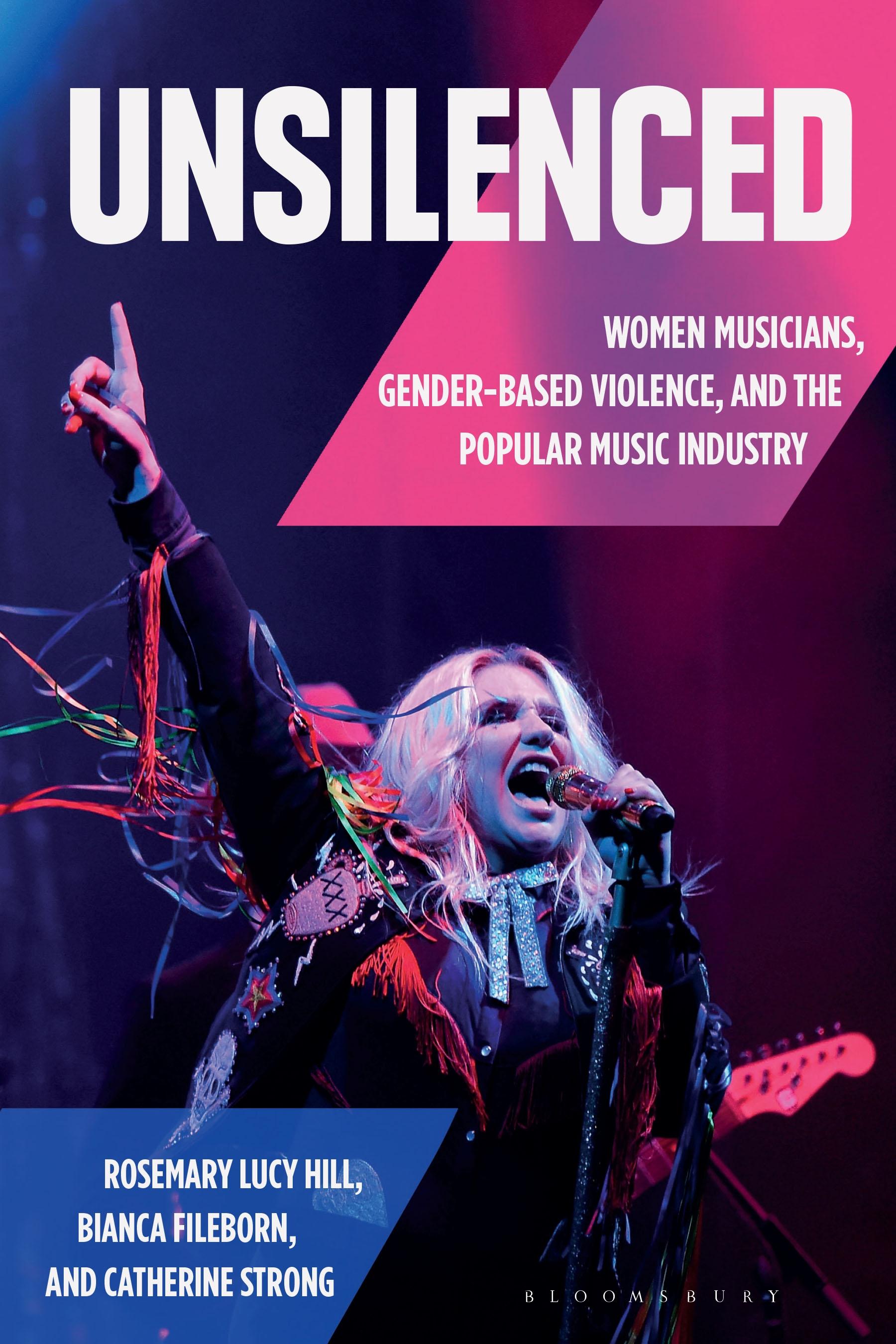
This book explores gender-based violence within the music industry, and how women who have experienced violence represent it in their music.
Using the key case studies of music by Kesha, Lingua Ignota, and Alice Glass, as well as many other examples from across the musical landscape, the book examines how the artists represent their experiences of gender-based violence in their music, lyrics, and music videos; how they narrate and describe their experiences; how they incorporate these experiences into their public personas; and how the music industry itself might be facilitating or perpetuating the violence.
The analysis sheds light on how survivors construct their experiences, and how the songs and videos inscribe new understandings of gender-based violence. The book argues that men's control of women's creativity can be considered a form of musical abuse, and that through its structures and systems the music industry itself can be classed as inherently abusive. And yet, women musicians can sing back to the violence they've experienced and create powerful new representations that have the potential to change the way we listen to music, if we are prepared to develop our feminist ears.
This book explores gender-based violence within the music industry, and how women who have experienced violence represent it in their music.
Using the key case studies of music by Kesha, Lingua Ignota, and Alice Glass, as well as many other examples from across the musical landscape, the book examines how the artists represent their experiences of gender-based violence in their music, lyrics, and music videos; how they narrate and describe their experiences; how they incorporate these experiences into their public personas; and how the music industry itself might be facilitating or perpetuating the violence.
The analysis sheds light on how survivors construct their experiences, and how the songs and videos inscribe new understandings of gender-based violence. The book argues that men's control of women's creativity can be considered a form of musical abuse, and that through its structures and systems the music industry itself can be classed as inherently abusive. And yet, women musicians can sing back to the violence they've experienced and create powerful new representations that have the potential to change the way we listen to music, if we are prepared to develop our feminist ears.
Pay easily by card, Klarna, Apple Pay or Google Pay. Not happy? You always have a 14-day money-back guarantee. Read more in our terms. If you have any questions, email us at hello@memmo.org.
Memmo makes studying easier – wherever you are in the world. We bring your course books and smart study tools together in one place: summaries, quizzes, podcasts and flashcards. Plus Ted, your study buddy who answers anything you wonder. Over 50,000 students already study here – built to help you learn faster and stress less.