
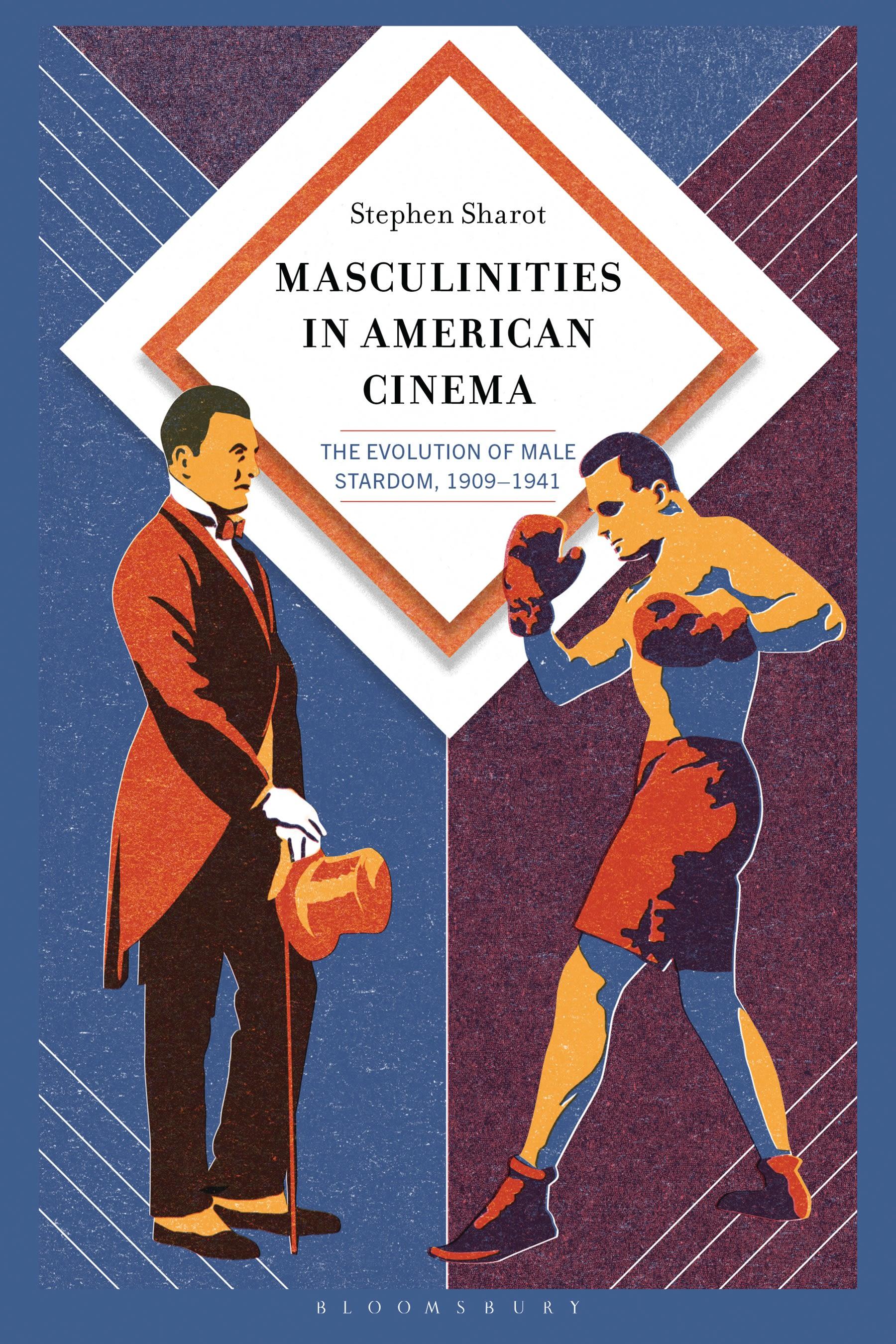
Stephen Sharot traces the evolution of male stardom from its beginnings in 1909 through the United States' entrance into World War II in 1941, highlighting the influence of a changing American society on masculine identity and ideals.
Drawing on conceptual frameworks from both sociology and film studies including hegemonic masculinity, the civilizing process, and star studies, Sharot analyzes the various masculinities adopted by male stars like Richard Barthelmess, Thomas Meighan, William Powell, among others. In doing so, he demonstrates the integral relationship between trends in masculine personas, shifting gender relations, and changes to the nature of work and the labor force. As constructions and articulations of masculinity among emergent classes were transformed, he contends, so too were their representations.
Drawing on conceptual frameworks from both sociology and film studies including hegemonic masculinity, the civilizing process, and star studies, Sharot analyzes the various masculinities adopted by male stars like Richard Barthelmess, Thomas Meighan, William Powell, among others. In doing so, he demonstrates the integral relationship between trends in masculine personas, shifting gender relations, and changes to the nature of work and the labor force. As constructions and articulations of masculinity among emergent classes were transformed, he contends, so too were their representations.
Pay easily by card, Klarna, Apple Pay or Google Pay. Not happy? You always have a 14-day money-back guarantee. Read more in our terms. If you have any questions, email us at hello@memmo.org.
Memmo makes studying easier – wherever you are in the world. We bring your course books and smart study tools together in one place: summaries, quizzes, podcasts and flashcards. Plus Ted, your study buddy who answers anything you wonder. Over 50,000 students already study here – built to help you learn faster and stress less.