
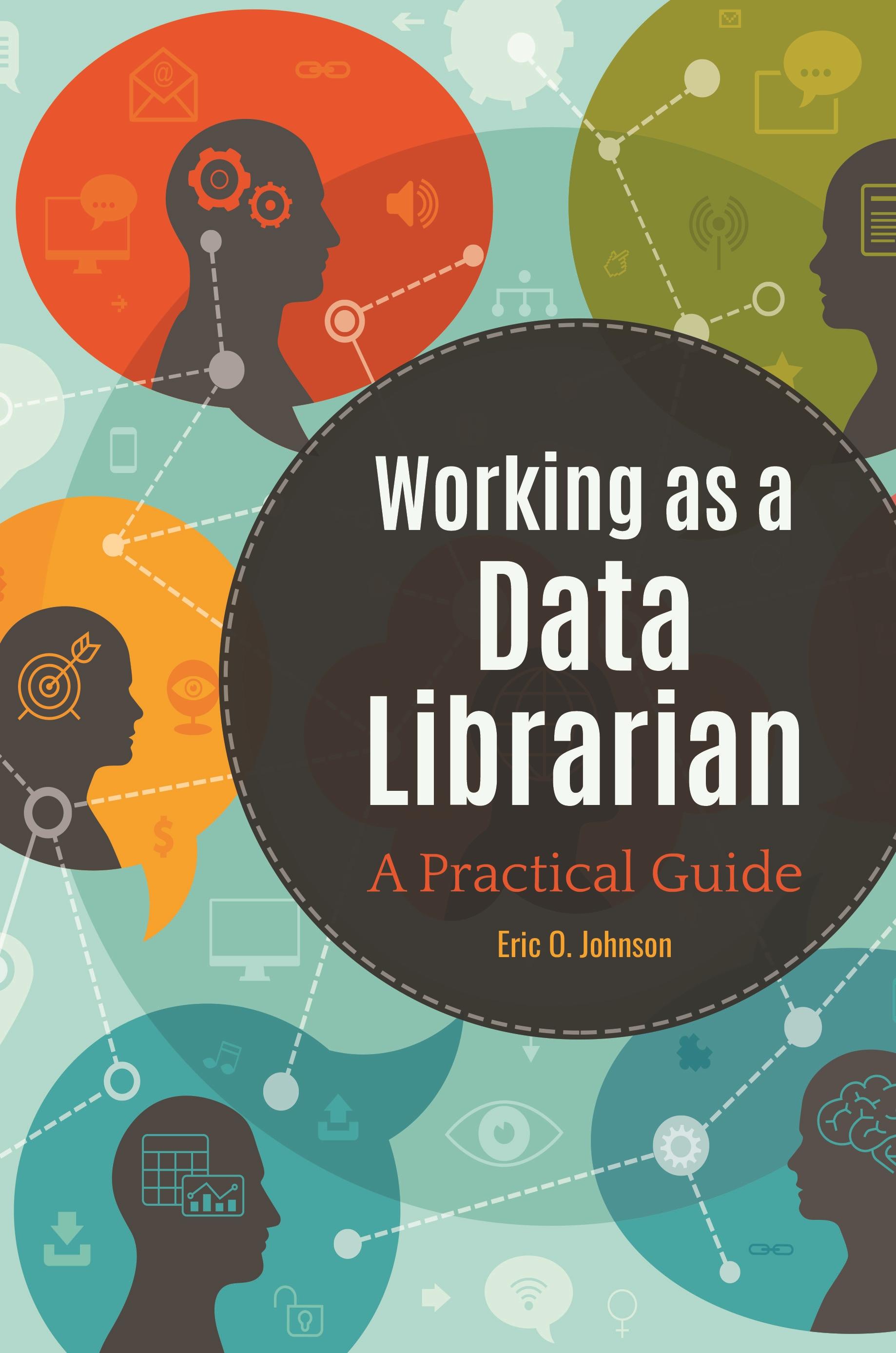
Many librarians' job responsibilities increasingly require them to understand and handle data. Learn how to be an effective data librarian—even if you never expected to need data skills.
The field of data librarianship is rapidly growing, and some librarians may feel that their training and experience does not cover data questions asked by patrons seeking advice. With this gentle guide for librarians moving—sometimes unexpectedly—into the world of data librarianship, all you need is a willingness to learn the skills required for the rapidly growing number of jobs requiring data librarianship.
Working as a Data Librarian focuses on transferable skills and understanding and does not assume extensive knowledge. It introduces tasks and concepts needed to be an effective data librarian, such as best practices for data reference interviewing, finding data sources, data visualization, data literacy, the data lifecycle, metadata design, database design, understanding data management, and preparing data management plans.
Additional sections focus on supporting creativity (Makerspaces and Fablabs, 3-D modeling), supporting analysis (GIS, data visualization, text mining, statistical methods), supporting research (digital scholarship, digital preservation, institutional data repositories, scholarly communication), and outreach (data librarian liaisonship, hackathons, developing outreach programs).
The field of data librarianship is rapidly growing, and some librarians may feel that their training and experience does not cover data questions asked by patrons seeking advice. With this gentle guide for librarians moving—sometimes unexpectedly—into the world of data librarianship, all you need is a willingness to learn the skills required for the rapidly growing number of jobs requiring data librarianship.
Working as a Data Librarian focuses on transferable skills and understanding and does not assume extensive knowledge. It introduces tasks and concepts needed to be an effective data librarian, such as best practices for data reference interviewing, finding data sources, data visualization, data literacy, the data lifecycle, metadata design, database design, understanding data management, and preparing data management plans.
Additional sections focus on supporting creativity (Makerspaces and Fablabs, 3-D modeling), supporting analysis (GIS, data visualization, text mining, statistical methods), supporting research (digital scholarship, digital preservation, institutional data repositories, scholarly communication), and outreach (data librarian liaisonship, hackathons, developing outreach programs).
Pay easily by card, Klarna, Apple Pay or Google Pay. Not happy? You always have a 14-day money-back guarantee. Read more in our terms. If you have any questions, email us at hello@memmo.org.
Memmo makes studying easier – wherever you are in the world. We bring your course books and smart study tools together in one place: summaries, quizzes, podcasts and flashcards. Plus Ted, your study buddy who answers anything you wonder. Over 50,000 students already study here – built to help you learn faster and stress less.