
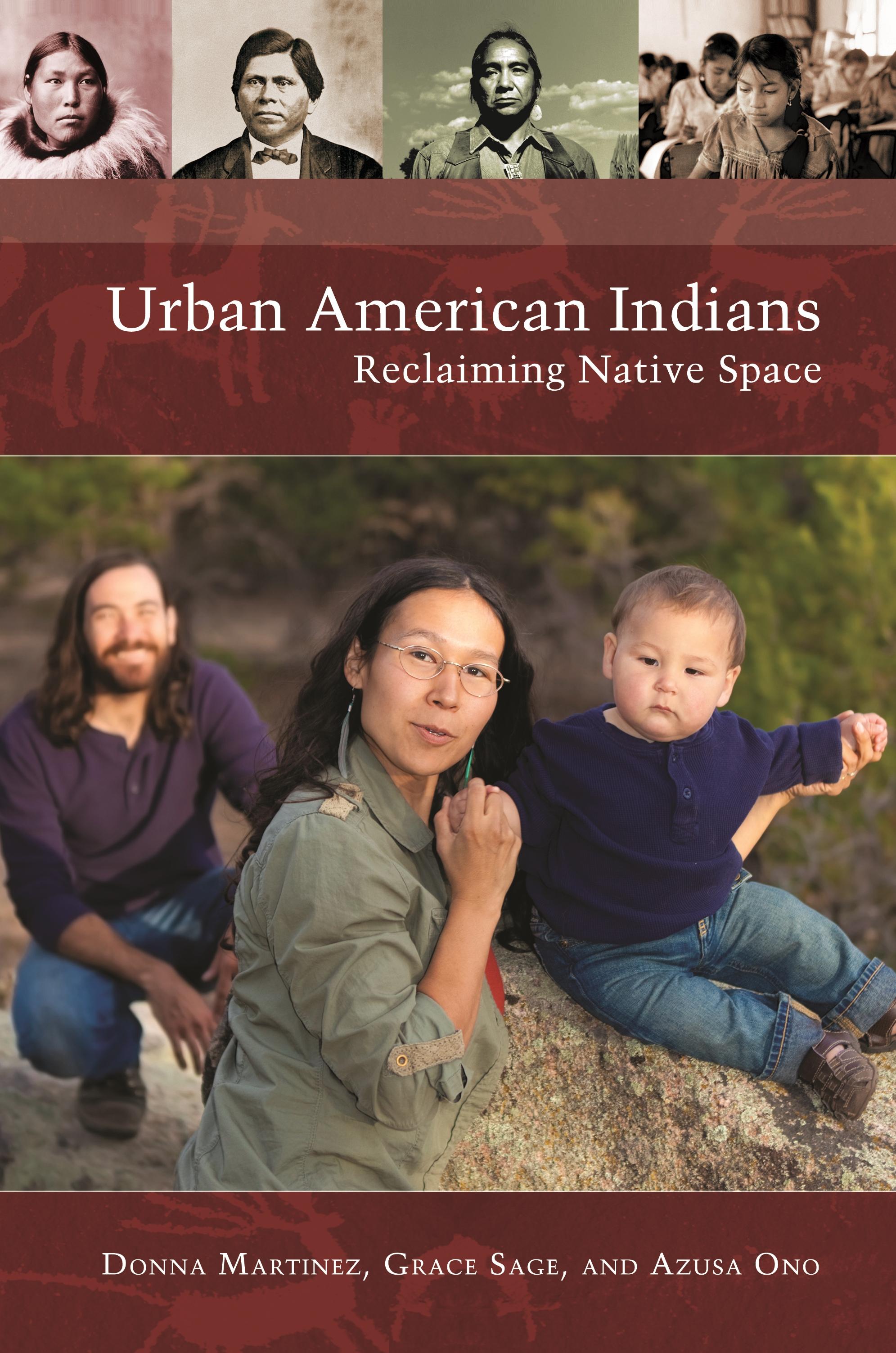
An outstanding resource for contemporary American Indians as well as students and scholars interested in community and ethnicity, this book dispels the myth that all American Indians live on reservations and are plagued with problems, and serves to illustrate a unique, dynamic model of community formation.
City-dwelling American Indians are part of both the ongoing ethnic history of American cities in the 20th and 21st centuries and the ancient history of American Indians. Today, more than three-quarters of American Indians live in cities, having migrated to urban areas in the 1950s because of influences such as the Termination and Relocation policy of the federal government, which was designed to end the legal status of tribes, and because of the draw of employment, housing, and educational opportunities. This book documents how North America was home to many ancient urban Indian civilizations and progresses to describing contemporary urban American Indian communities, lifestyles, and organizations.
The book concentrates on contemporary urban American Indian communities and the modern-day experiences of the individuals who live within them. The authors outline urban Indian identity, relationships, and communities, drawing connections between ancient urban Indian civilizations hundreds of years ago to the activism of contemporary urban Indians. As a result, readers will gain an in-depth understanding of both ancient and contemporary urban Indian communities; comprehend the differences, similarities, and overlap between reservation and urban American Indian communities; and gain insight into the key role of urban environments in creating ethnic community identities.
City-dwelling American Indians are part of both the ongoing ethnic history of American cities in the 20th and 21st centuries and the ancient history of American Indians. Today, more than three-quarters of American Indians live in cities, having migrated to urban areas in the 1950s because of influences such as the Termination and Relocation policy of the federal government, which was designed to end the legal status of tribes, and because of the draw of employment, housing, and educational opportunities. This book documents how North America was home to many ancient urban Indian civilizations and progresses to describing contemporary urban American Indian communities, lifestyles, and organizations.
The book concentrates on contemporary urban American Indian communities and the modern-day experiences of the individuals who live within them. The authors outline urban Indian identity, relationships, and communities, drawing connections between ancient urban Indian civilizations hundreds of years ago to the activism of contemporary urban Indians. As a result, readers will gain an in-depth understanding of both ancient and contemporary urban Indian communities; comprehend the differences, similarities, and overlap between reservation and urban American Indian communities; and gain insight into the key role of urban environments in creating ethnic community identities.
Pages: 184
Category: Kultur-, Genus- & Postkoloniala studier
e-ISBN: 9798216160779
Shipping weight: 1.2 kg
Ships in: 1-2 days
Pay easily by card, Klarna, Apple Pay or Google Pay. Not happy? You always have a 14-day money-back guarantee. Read more in our terms. If you have any questions, email us at hello@memmo.org.
Memmo makes studying easier – wherever you are in the world. We bring your course books and smart study tools together in one place: summaries, quizzes, podcasts and flashcards. Plus Ted, your study buddy who answers anything you wonder. Over 50,000 students already study here – built to help you learn faster and stress less.