
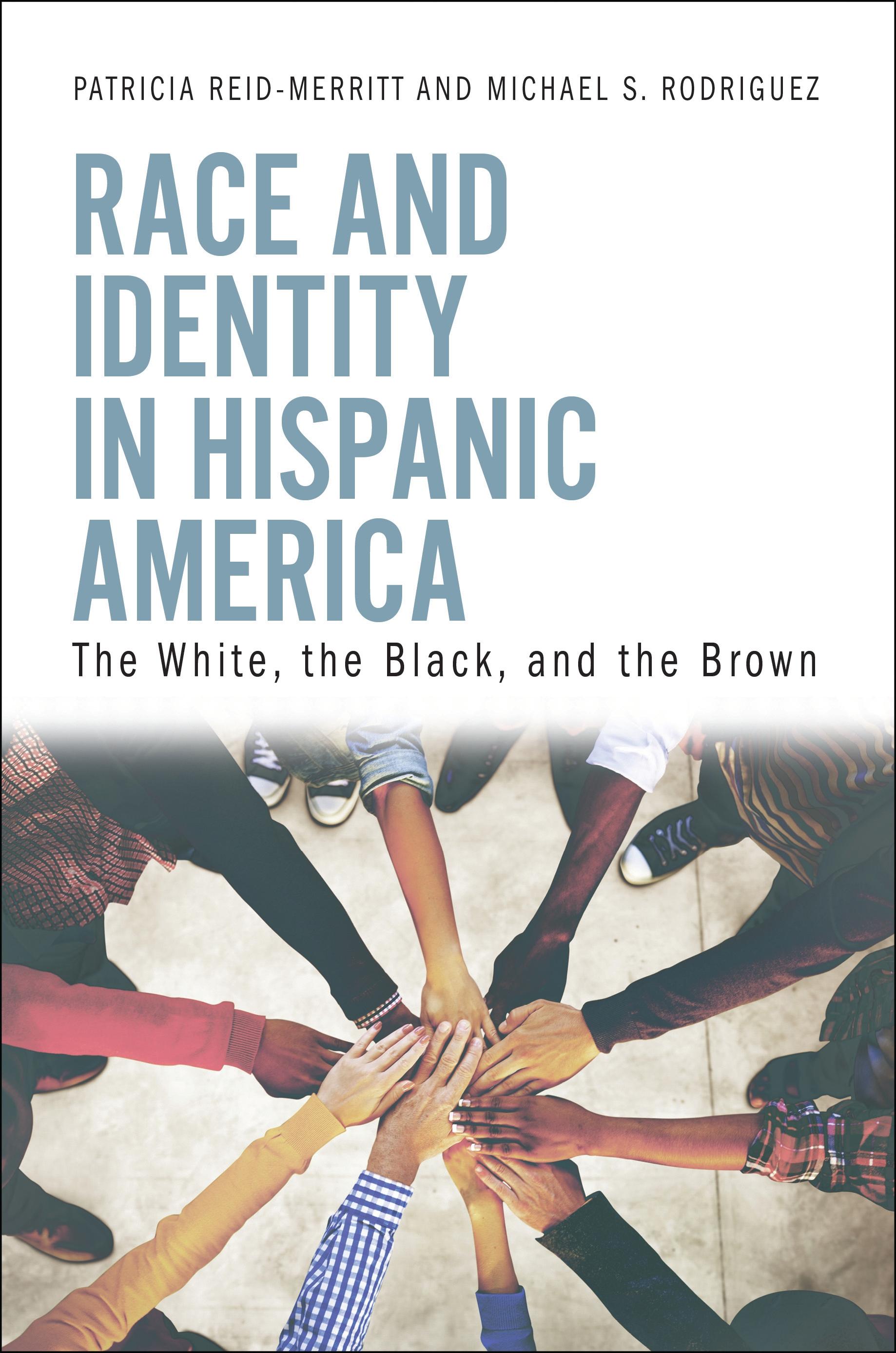
This book offers a historical and comparative overview of the evolution of racial classifications in the United States, Latin America, and the Caribbean.
The Hispanicization of America is precipitating a paradigm shift in racial thinking in which race is no longer defined by distinct characteristics but rather is becoming synonymous with ethnic/cultural identity.
Traditionally, assimilation has been conceived of as a unidirectional and racialized phenomenon. Newly arrived immigrant groups or longstanding minority/indigenous populations were "Americanized" in confining their racial and ethnic natures to the private sphere and adopting, in the public sphere, the cultural mores, norms, and values of the dominant cultural/racial group. In contrast, the Hispanicization of America entails the horizontal assimilation of various groups from Spanish-speaking countries throughout the Western Hemisphere and Caribbean into a pan-ethnic, Hispanic/Latino identity that also challenges the privileged position of whiteness as the primary and exclusive referent for American identity.
Instead of focusing on one Hispanic group, ethnic identity, or region, this book chronicles the development of racial identity across the largest Hispanic groups throughout the United States.
The Hispanicization of America is precipitating a paradigm shift in racial thinking in which race is no longer defined by distinct characteristics but rather is becoming synonymous with ethnic/cultural identity.
Traditionally, assimilation has been conceived of as a unidirectional and racialized phenomenon. Newly arrived immigrant groups or longstanding minority/indigenous populations were "Americanized" in confining their racial and ethnic natures to the private sphere and adopting, in the public sphere, the cultural mores, norms, and values of the dominant cultural/racial group. In contrast, the Hispanicization of America entails the horizontal assimilation of various groups from Spanish-speaking countries throughout the Western Hemisphere and Caribbean into a pan-ethnic, Hispanic/Latino identity that also challenges the privileged position of whiteness as the primary and exclusive referent for American identity.
Instead of focusing on one Hispanic group, ethnic identity, or region, this book chronicles the development of racial identity across the largest Hispanic groups throughout the United States.
Pages: 232
Category: Kultur-, Genus- & Postkoloniala studier
e-ISBN: 9798216135005
Shipping weight: 1.2 kg
Ships in: 1-2 days
Pay easily by card, Klarna, Apple Pay or Google Pay. Not happy? You always have a 14-day money-back guarantee. Read more in our terms. If you have any questions, email us at hello@memmo.org.
Memmo makes studying easier – wherever you are in the world. We bring your course books and smart study tools together in one place: summaries, quizzes, podcasts and flashcards. Plus Ted, your study buddy who answers anything you wonder. Over 50,000 students already study here – built to help you learn faster and stress less.