
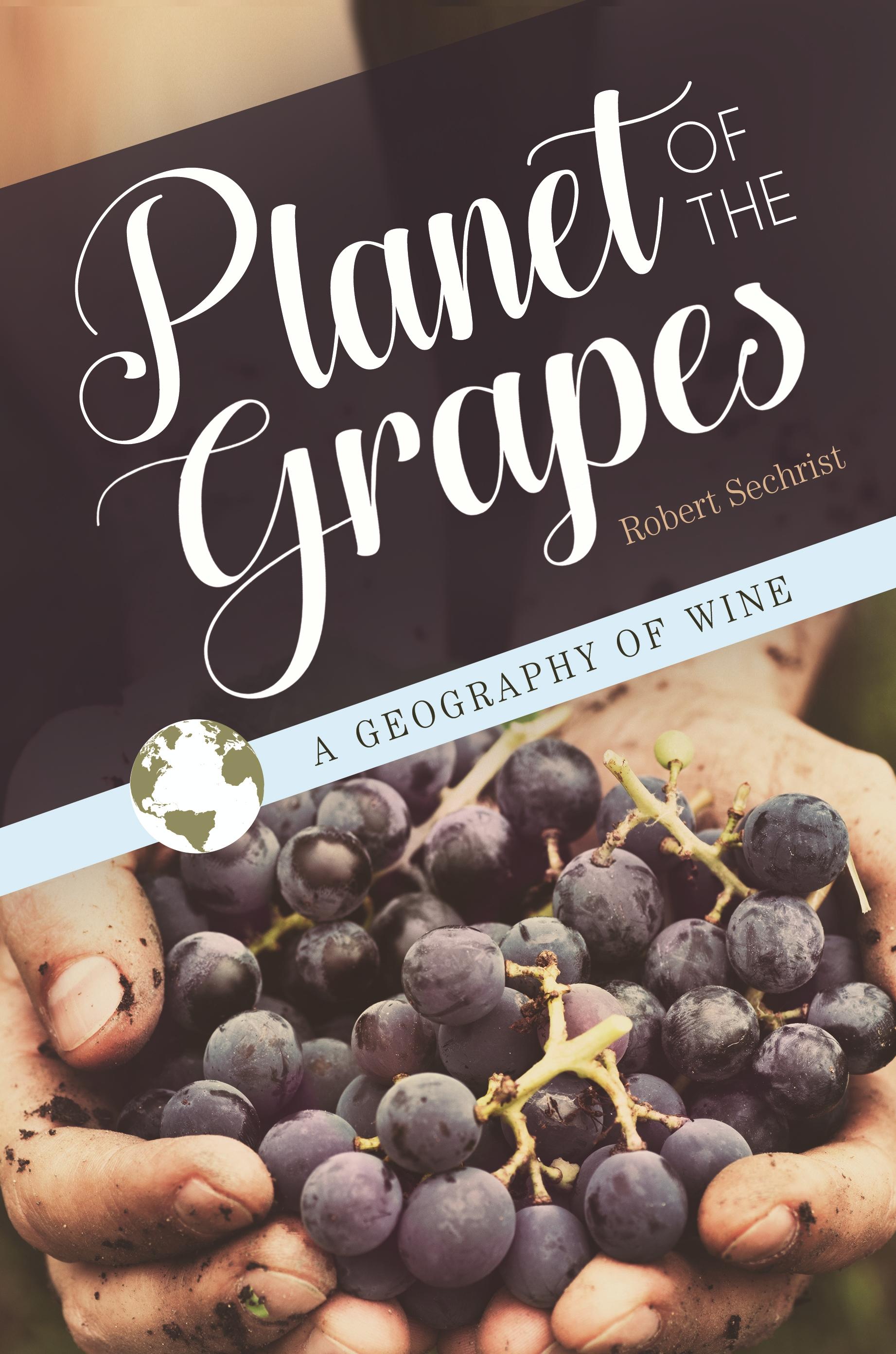
A fascinating and comprehensive introduction to the geography, culture, and history of wine that identifies the significance of this simple beverage throughout human history and today.
Wine was one the key founding foods of Western culture (bread and oil being the other two). It has played a key role in human history for thousands of years, having been used for enjoyment, rituals, and religious purposes; today, the production and consumption of wine is a billion-dollar industry that plays an important role in the global economy. Planet of the Grapes: A Geography of Wine provides an interesting and accessible lens through which students can learn about geography, culture, society, history, religion, and the environment. The chapters cover the historical geography of wine, document how drinking wine has often been condemned as a vice, and describe wines by region and type, thereby providing a cultural geography of wine.
Readers will learn about the historical geography of wine, terroir (the environmental conditions that affect grape crops), grape biogeography, the process of winemaking from a geographic perspective, the economic global significance of the wine trade, the ongoing love-hate relationship between wine and government, and what makes individual wine regions distinct. The content is written to be comprehensible to individuals without detailed previous knowledge about wine but provides detailed information and insight that wine connoisseurs will find engaging. Additionally, through the story of wine comes a unique telling of the social transformations in America that have resulted from sources such as anti-immigrant sentiment, pseudoscience, and censorship.
Wine was one the key founding foods of Western culture (bread and oil being the other two). It has played a key role in human history for thousands of years, having been used for enjoyment, rituals, and religious purposes; today, the production and consumption of wine is a billion-dollar industry that plays an important role in the global economy. Planet of the Grapes: A Geography of Wine provides an interesting and accessible lens through which students can learn about geography, culture, society, history, religion, and the environment. The chapters cover the historical geography of wine, document how drinking wine has often been condemned as a vice, and describe wines by region and type, thereby providing a cultural geography of wine.
Readers will learn about the historical geography of wine, terroir (the environmental conditions that affect grape crops), grape biogeography, the process of winemaking from a geographic perspective, the economic global significance of the wine trade, the ongoing love-hate relationship between wine and government, and what makes individual wine regions distinct. The content is written to be comprehensible to individuals without detailed previous knowledge about wine but provides detailed information and insight that wine connoisseurs will find engaging. Additionally, through the story of wine comes a unique telling of the social transformations in America that have resulted from sources such as anti-immigrant sentiment, pseudoscience, and censorship.
Pages: 344
Category: Litteraturvetenskap & Teori
e-ISBN: 9798216128632
Shipping weight: 1.2 kg
Ships in: 1-2 days
Pay easily by card, Klarna, Apple Pay or Google Pay. Not happy? You always have a 14-day money-back guarantee. Read more in our terms. If you have any questions, email us at hello@memmo.org.
Memmo makes studying easier – wherever you are in the world. We bring your course books and smart study tools together in one place: summaries, quizzes, podcasts and flashcards. Plus Ted, your study buddy who answers anything you wonder. Over 50,000 students already study here – built to help you learn faster and stress less.