
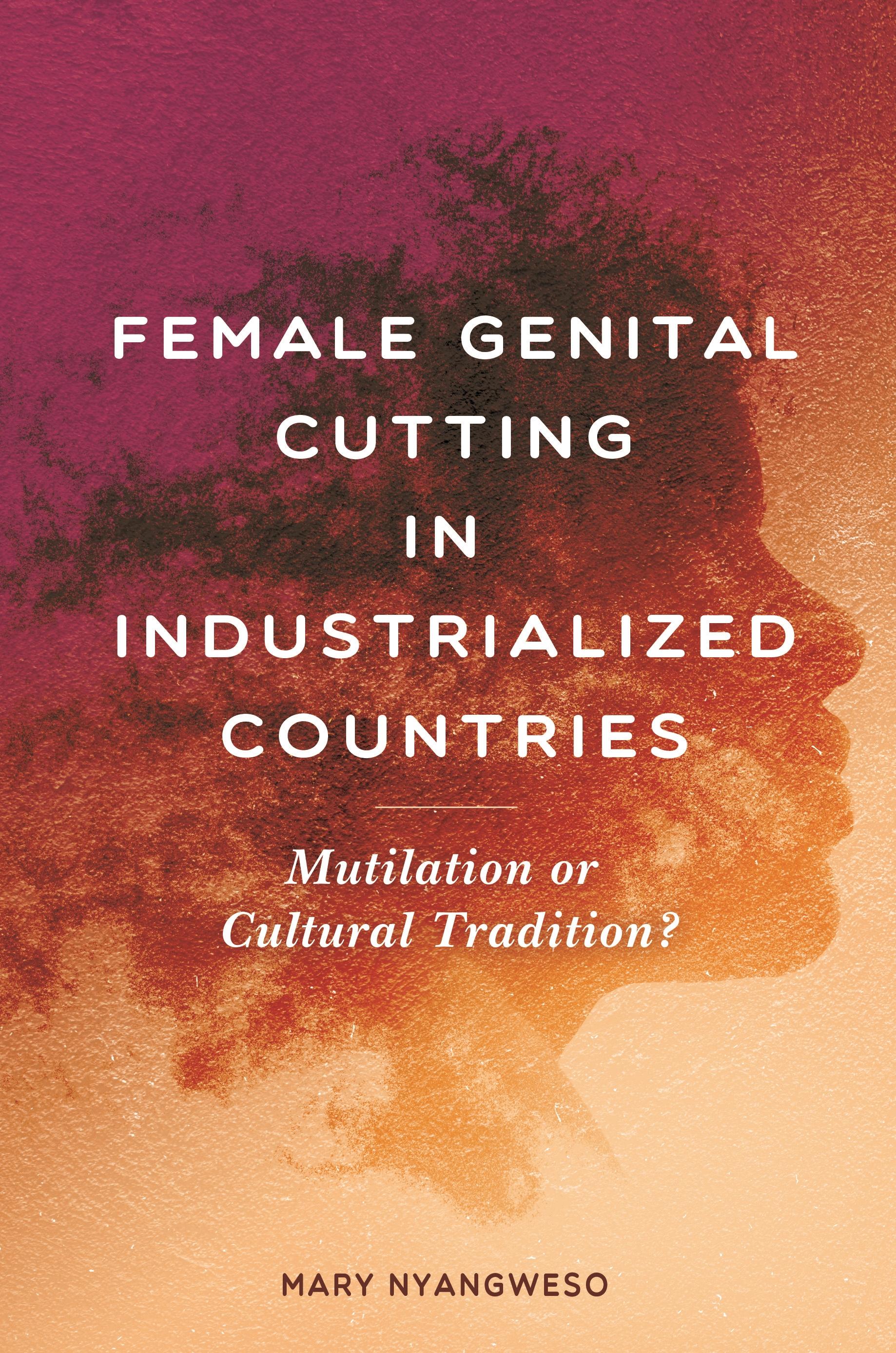
This book comprehensively examines the practice of female genital mutilation and proposes new intervention programs and community-based initiatives that protect the rights of children and women who live with the serious risks and long-term consequences of the practice.
Why is FGM on the increase in industrialized countries in spite of existing policies against the practice? How is political correctness contributing to this increase? And how does religion contribute implicitly or explicitly to the persistence of FGM? This work is authored by a Kenyan immigrant to the United States who recognizes the necessity of better protection of women's rights regarding FGM in first-world nations and the need for these countries to recognize this issue as a serious challenge to values and health services.
The book provides complete information about the practice of female genital cutting, explaining its origin, identifying the countries where this practice is common, and documenting the rise of FGM in industrialized nations. The second half of the book examines existing intervention programs with the goal of improving the situation by way of transforming policies, addressing the legal aspects of the issue, and improving health care services. A powerful resource for college and university level students in the humanities, social science, and medical fields, this book will also serve general readers with interest in examining challenges women grapple with internationally.
Why is FGM on the increase in industrialized countries in spite of existing policies against the practice? How is political correctness contributing to this increase? And how does religion contribute implicitly or explicitly to the persistence of FGM? This work is authored by a Kenyan immigrant to the United States who recognizes the necessity of better protection of women's rights regarding FGM in first-world nations and the need for these countries to recognize this issue as a serious challenge to values and health services.
The book provides complete information about the practice of female genital cutting, explaining its origin, identifying the countries where this practice is common, and documenting the rise of FGM in industrialized nations. The second half of the book examines existing intervention programs with the goal of improving the situation by way of transforming policies, addressing the legal aspects of the issue, and improving health care services. A powerful resource for college and university level students in the humanities, social science, and medical fields, this book will also serve general readers with interest in examining challenges women grapple with internationally.
Pages: 264
Category: Kultur-, Genus- & Postkoloniala studier
e-ISBN: 9798216083795
Shipping weight: 1.2 kg
Ships in: 1-2 days
Pay easily by card, Klarna, Apple Pay or Google Pay. Not happy? You always have a 14-day money-back guarantee. Read more in our terms. If you have any questions, email us at hello@memmo.org.
Memmo makes studying easier – wherever you are in the world. We bring your course books and smart study tools together in one place: summaries, quizzes, podcasts and flashcards. Plus Ted, your study buddy who answers anything you wonder. Over 50,000 students already study here – built to help you learn faster and stress less.