
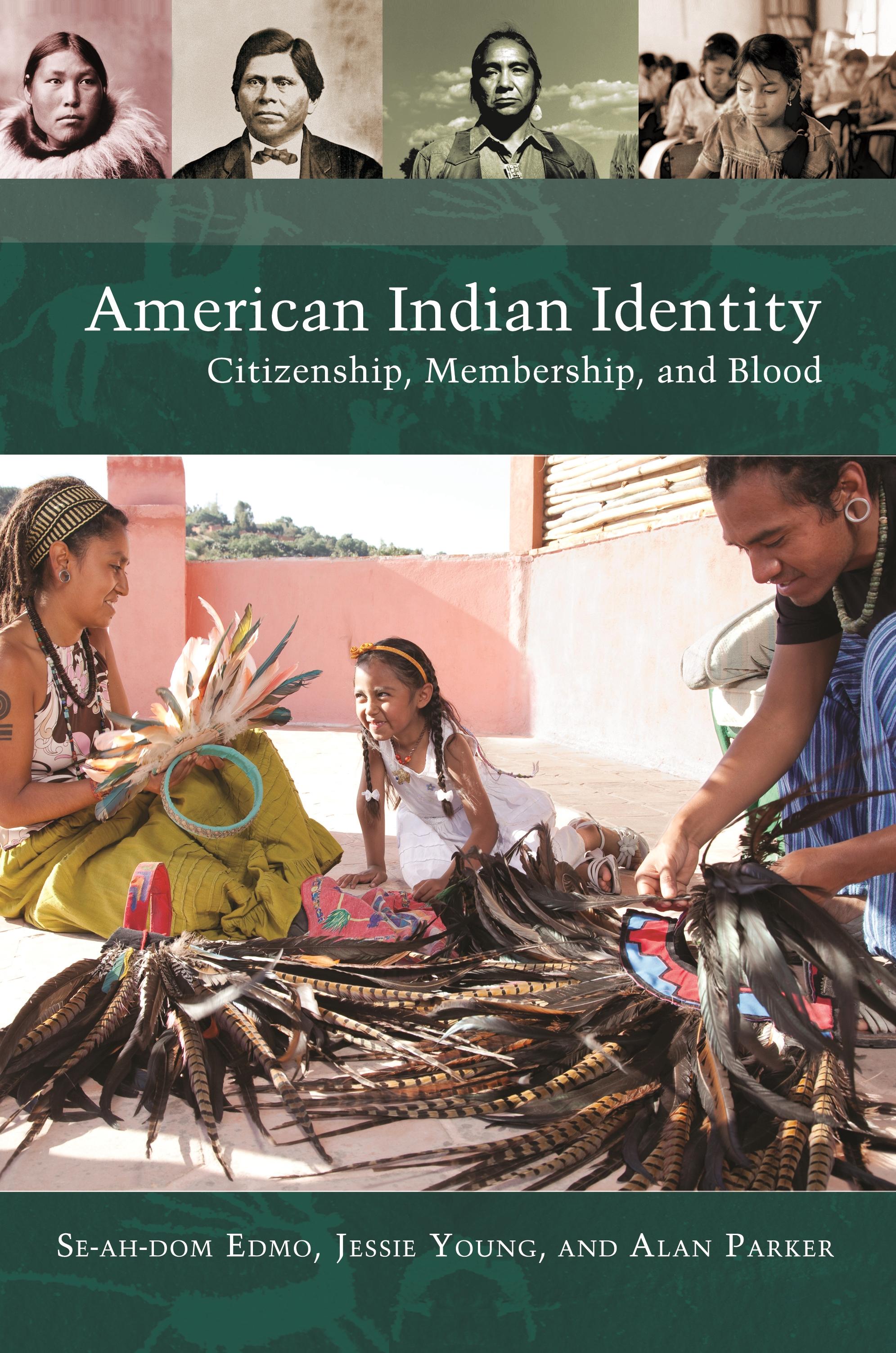
This single-volume book contends that reshaping the paradigm of American Indian identity, blood quantum, and racial distinctions can positively impact the future of the Indian community within America and America itself.
This academic compendium examines the complexities associated with Indian identity in North America, including the various social, political, and legal issues impacting Indian expression in different periods; the European influence on how self-governing tribal communities define the rights of citizenship within their own communities; and the effect of Indian mascots, Thanksgiving, and other cultural appropriations taking place within American society on the Indian community. The book looks at and proposes solutions to the controversies surrounding the Indian tribal nations and their people.
The authors—all leading advocates of Indian progress—argue that tribal governments and communities should reconsider the notion of what comprises Indian identity, and in doing so, they compare and contrast how indigenous people around the world define themselves and their communities. Chapters address complex questions under the discourse of Indian law, history, philosophy, education, political science, anthropology, art, psychology, and civil rights. Topics covered in depth include blood quantum, racial distinctions, First Nations, and tribal citizenship.
This academic compendium examines the complexities associated with Indian identity in North America, including the various social, political, and legal issues impacting Indian expression in different periods; the European influence on how self-governing tribal communities define the rights of citizenship within their own communities; and the effect of Indian mascots, Thanksgiving, and other cultural appropriations taking place within American society on the Indian community. The book looks at and proposes solutions to the controversies surrounding the Indian tribal nations and their people.
The authors—all leading advocates of Indian progress—argue that tribal governments and communities should reconsider the notion of what comprises Indian identity, and in doing so, they compare and contrast how indigenous people around the world define themselves and their communities. Chapters address complex questions under the discourse of Indian law, history, philosophy, education, political science, anthropology, art, psychology, and civil rights. Topics covered in depth include blood quantum, racial distinctions, First Nations, and tribal citizenship.
Pages: 184
Category: Kultur-, Genus- & Postkoloniala studier
e-ISBN: 9798216046189
Shipping weight: 1.2 kg
Ships in: 1-2 days
Pay easily by card, Klarna, Apple Pay or Google Pay. Not happy? You always have a 14-day money-back guarantee. Read more in our terms. If you have any questions, email us at hello@memmo.org.
Memmo makes studying easier – wherever you are in the world. We bring your course books and smart study tools together in one place: summaries, quizzes, podcasts and flashcards. Plus Ted, your study buddy who answers anything you wonder. Over 50,000 students already study here – built to help you learn faster and stress less.