
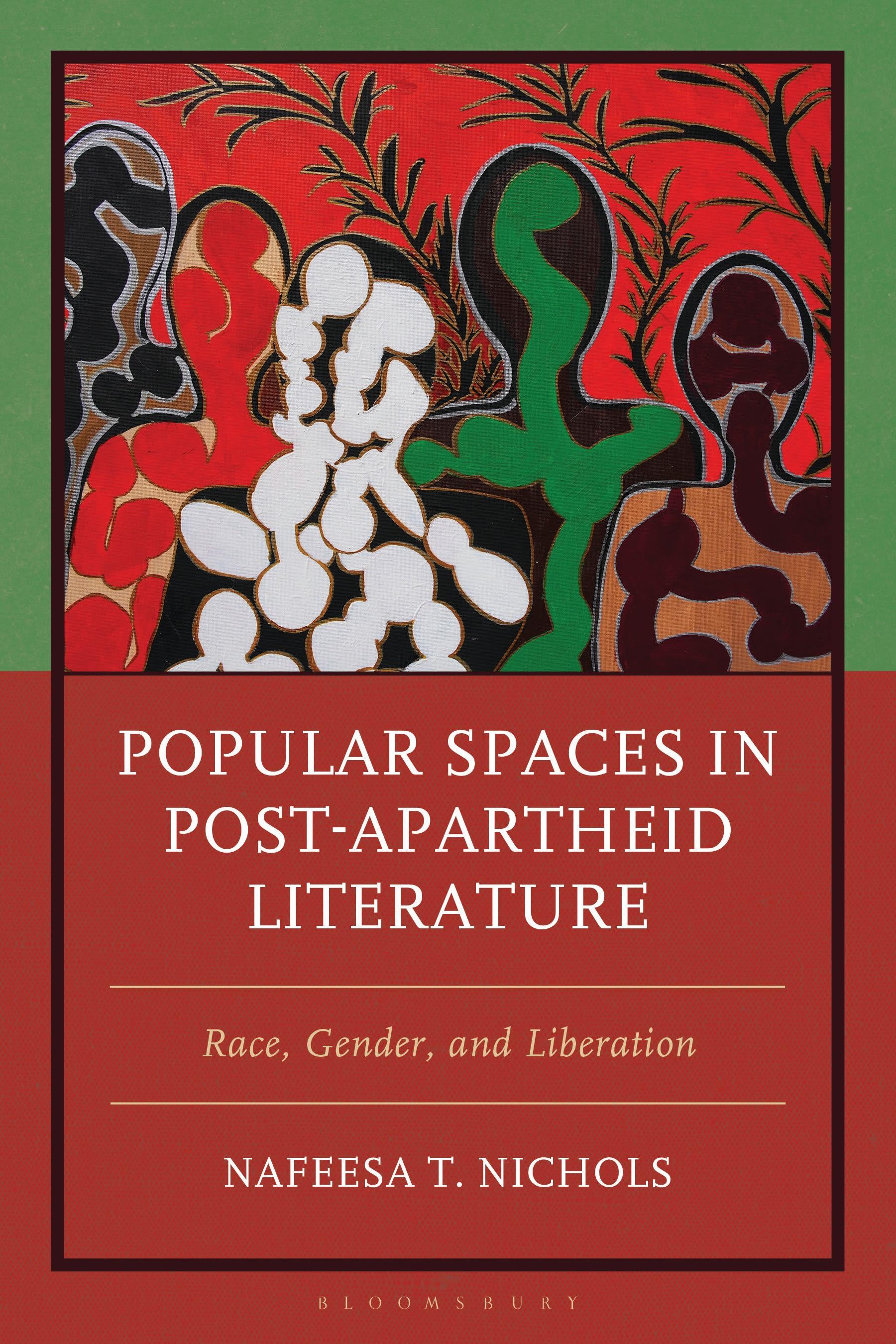
Nafeesa T. Nichols analyzes how racialized and gendered spaces are presented in post-apartheid South African literature.
Through the examination of four novels, Kopano Matlwa's Coconut (2007), Zukiswa Wanner's The Madams (2006), Niq Mhlongo's After Tears (2007), and Kgebetli Moele's Room 207 (2006), Popular Spaces in Post-Apartheid Literature highlights the interconnections between space, race, gender, and popular culture within the post-apartheid South Africa. Nichols not only explores how post-1994 literature attempts to represent the realities of the post-apartheid condition, but also reveals the innovative and radical contributions that these young authors of the early twenty-first century made within the literary world.
This book mediates the dynamics and complexities of space in connection to race and gender, exemplifies the challenge of working with and in violent masculinist textual spaces, and conceptualizes the popular in connection with class, race, and gender struggles. Drawing on an interdisciplinary mix of Black feminist theory, feminist geographical perspectives, and spatial theory, Nichols provides a close reading of each of the selected texts, offering broader insights into the how Black subjects navigate various spaces of oppression. Through these novels, she shows how we are able to imagine the possibilities of liberatory spaces, celebrate local knowledge, creativity, the popular, and, most importantly, the beauty and resistance found in the everyday. In the end, this book contributes to the academic conversations that continue to take place surrounding gender, space, literature, and liberation in South Africa.
Through the examination of four novels, Kopano Matlwa's Coconut (2007), Zukiswa Wanner's The Madams (2006), Niq Mhlongo's After Tears (2007), and Kgebetli Moele's Room 207 (2006), Popular Spaces in Post-Apartheid Literature highlights the interconnections between space, race, gender, and popular culture within the post-apartheid South Africa. Nichols not only explores how post-1994 literature attempts to represent the realities of the post-apartheid condition, but also reveals the innovative and radical contributions that these young authors of the early twenty-first century made within the literary world.
This book mediates the dynamics and complexities of space in connection to race and gender, exemplifies the challenge of working with and in violent masculinist textual spaces, and conceptualizes the popular in connection with class, race, and gender struggles. Drawing on an interdisciplinary mix of Black feminist theory, feminist geographical perspectives, and spatial theory, Nichols provides a close reading of each of the selected texts, offering broader insights into the how Black subjects navigate various spaces of oppression. Through these novels, she shows how we are able to imagine the possibilities of liberatory spaces, celebrate local knowledge, creativity, the popular, and, most importantly, the beauty and resistance found in the everyday. In the end, this book contributes to the academic conversations that continue to take place surrounding gender, space, literature, and liberation in South Africa.
Pages: 200
Category: Kultur-, Genus- & Postkoloniala studier
e-ISBN: 9781978766440
Shipping weight: 1.2 kg
Ships in: 1-2 days
Pay easily by card, Klarna, Apple Pay or Google Pay. Not happy? You always have a 14-day money-back guarantee. Read more in our terms. If you have any questions, email us at hello@memmo.org.
Memmo makes studying easier – wherever you are in the world. We bring your course books and smart study tools together in one place: summaries, quizzes, podcasts and flashcards. Plus Ted, your study buddy who answers anything you wonder. Over 50,000 students already study here – built to help you learn faster and stress less.