
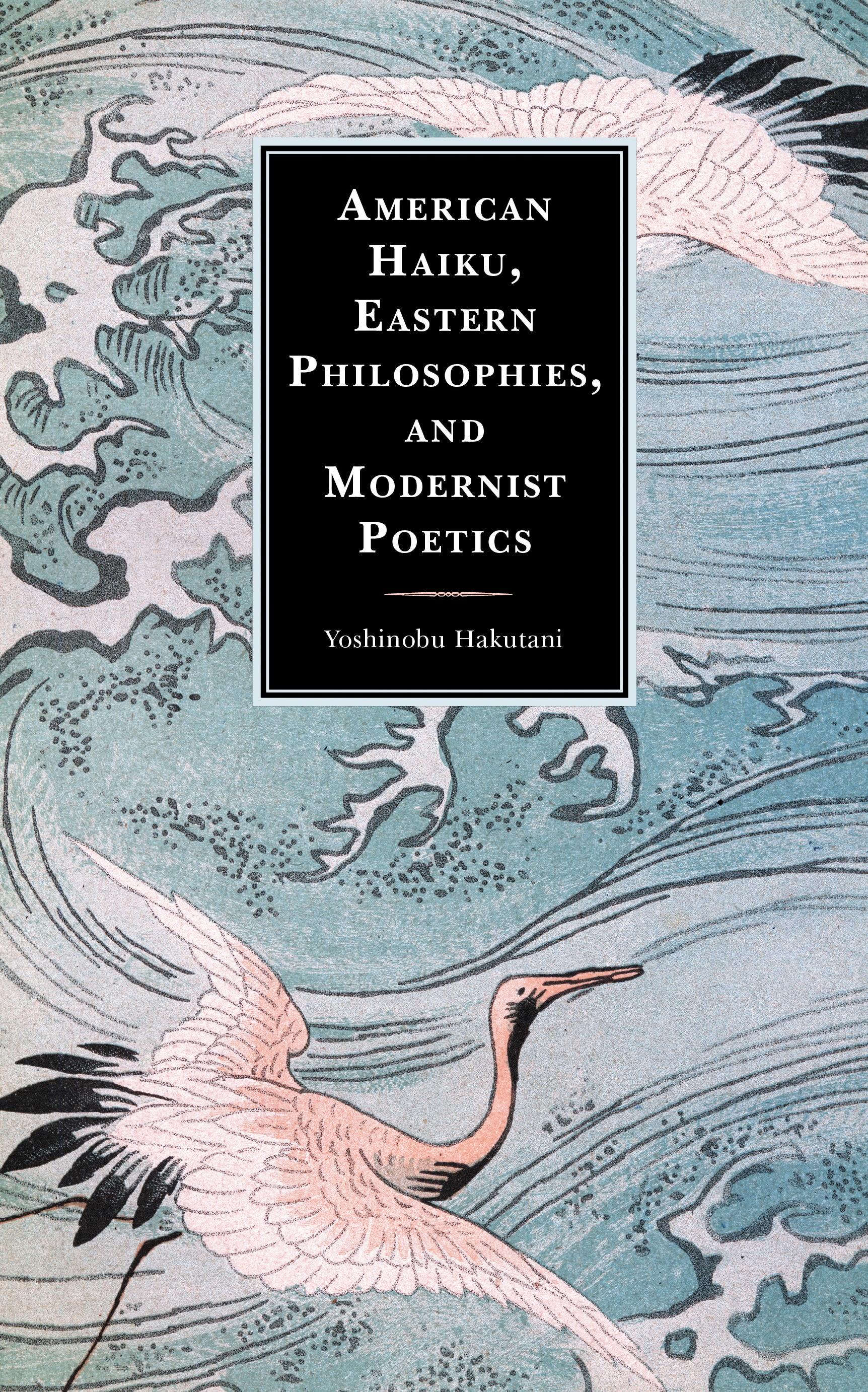
American Haiku, Eastern Philosophies, and Modernist Poetics traces the genesis and development of haiku in Japan as it transformed over the years and eventually made its way to the Western world. Yoshinobu Hakutani analyzes the prominent Eastern philosophies expressed through haiku, such as Confucianism and Zen, and the aesthetic principles of yugen, sabi, and wabi. Hakutani discusses several reinventions of haiku, from Matsuo Basho’s transformation of the classic haiku, to Masaoka Shiki’s modernist perspectives expressing subjective thoughts and feelings, and eventually to Yone Noguchi’s introduction of haiku to the Western world through W. B. Yeats and Ezra Pound. Hakutani argues that the adoption and transformation of haiku is one of the most popular East-West artistic, cultural, and literary exchanges to have taken place in modern and postmodern times.
Pages: 236
Category: Litteraturvetenskap & Teori
e-ISBN: 9781793634511
Shipping weight: 1.2 kg
Ships in: 1-2 days
Pay easily by card, Klarna, Apple Pay or Google Pay. Not happy? You always have a 14-day money-back guarantee. Read more in our terms. If you have any questions, email us at hello@memmo.org.
Memmo makes studying easier – wherever you are in the world. We bring your course books and smart study tools together in one place: summaries, quizzes, podcasts and flashcards. Plus Ted, your study buddy who answers anything you wonder. Over 50,000 students already study here – built to help you learn faster and stress less.