
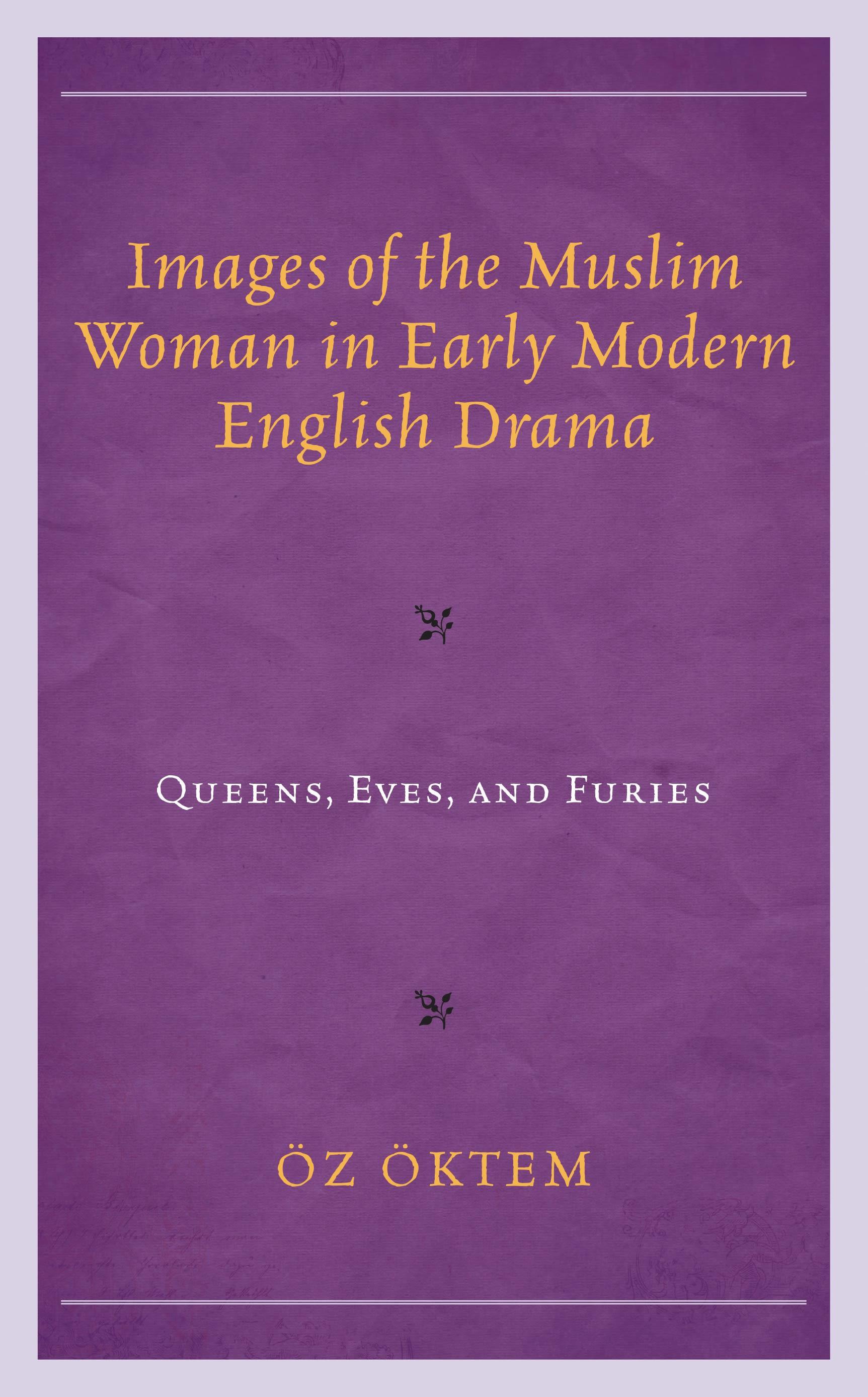
Early modern scholarship often reads the dramatic representations of the Muslim woman in the light of postcolonial identity politics, which sees an organic relationship between the West’s historical domination of the East and the Western discourse on the East. This book problematizes the above trajectory by arguing that the assumption of a power relation between a dominating West and a subordinate East cannot be sustained within the context of the political and historical realities of early modern Europe. The Ottoman Empire remained as a dominant superpower throughout the sixteenth and seventeenth centuries and was perceived by Protestant England both as a military and religious threat and as a possible ally against Catholic Spain. Reading a series of early modern plays from Marlowe to Beaumont and Fletcher alongside a number of historical sources and documents, this book re-interprets the image of Islamic femininity in the period’s drama to reflect this overturn in the world’s power balances, as well as the intricate dynamics of England’s intensified contact with Islam in the Mediterranean.
Pages: 192
Category: Kultur-, Genus- & Postkoloniala studier
e-ISBN: 9781793625236
Shipping weight: 1.2 kg
Ships in: 1-2 days
Pay easily by card, Klarna, Apple Pay or Google Pay. Not happy? You always have a 14-day money-back guarantee. Read more in our terms. If you have any questions, email us at hello@memmo.org.
Memmo makes studying easier – wherever you are in the world. We bring your course books and smart study tools together in one place: summaries, quizzes, podcasts and flashcards. Plus Ted, your study buddy who answers anything you wonder. Over 50,000 students already study here – built to help you learn faster and stress less.