
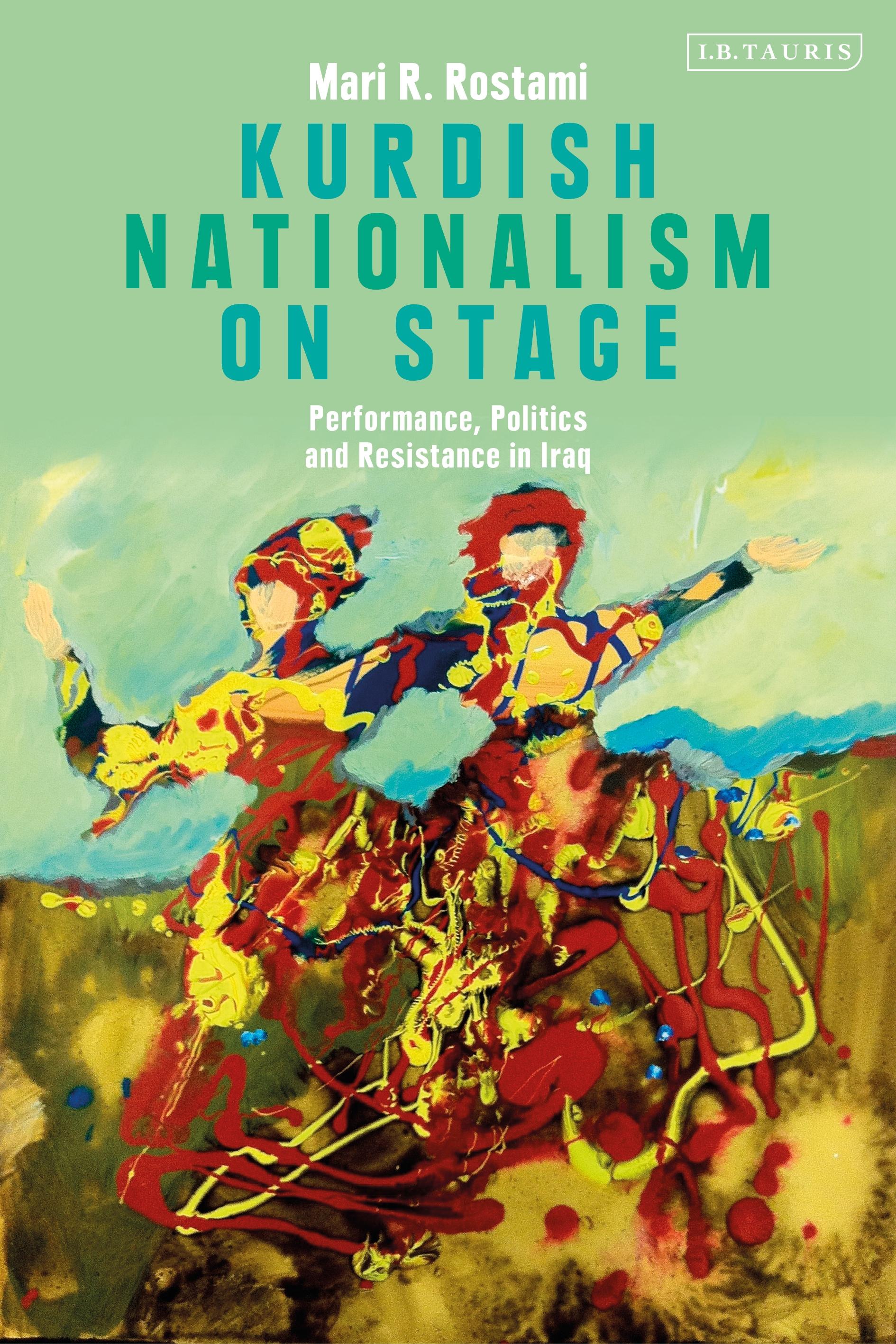
Since its emergence in the 1920s, Iraqi-Kurdish theatre was used as a tool of national identity building and modernisation. It promoted literacy, education and women's rights and became one of the most visible forms of Kurdish cultural nationalism by exploring folklore, myths, legends and local history and by celebrating heroes of the past. As time went on, by staging anti-feudalist and anti-monarchist plays, theatre became engaged in representing and legitimising the wider political movement in Iraq that ultimately led to the overthrow of the monarchy in 1958. Between 1975-1991, even under strict censorship during the Baath rule, Kurdish theatre continued to promote Kurdish nationalism and resistance through the use of Kurdish folk culture and literature. This book is based on dramatic texts from the period, interviews with Kurdish theatre artists, Kurdish theatre histories, historical documents, and journalistic accounts. It illustrates the ways in which theatre participated in the Kurdish national struggle and how it responded to political changes in different historical periods. It is the first book dedicated to Kurdish theatre and complements the latest research that examines theatre in its wider socio-political context.
Pay easily by card, Klarna, Apple Pay or Google Pay. Not happy? You always have a 14-day money-back guarantee. Read more in our terms. If you have any questions, email us at hello@memmo.org.
Memmo makes studying easier – wherever you are in the world. We bring your course books and smart study tools together in one place: summaries, quizzes, podcasts and flashcards. Plus Ted, your study buddy who answers anything you wonder. Over 50,000 students already study here – built to help you learn faster and stress less.