
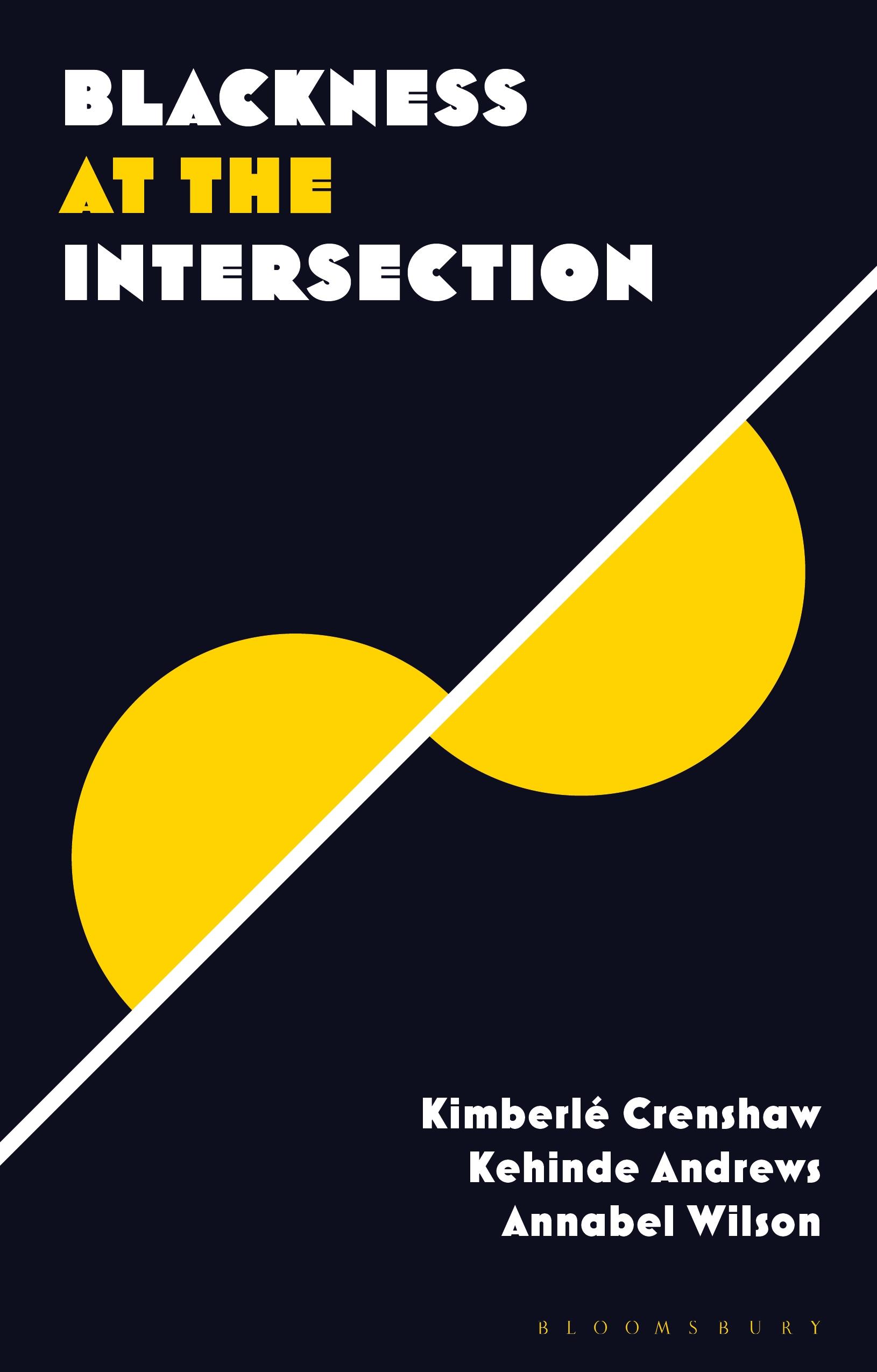
A ground-breaking collection applying Crenshaw's concept of intersectionality to the black diasporic experience in Britain.
In the 1980s, Professor Kimberlé Crenshaw first coined the term 'intersectionality'. Since then, the concept has spread across national and disciplinary boundaries, and has had a transformative impact on the way in which we understand identity and the experience of discrimination. But outside the US, the application of intersectional theory has largely been disconnected from any analysis of 'Blackness', despite intersectionality's origins in critical race theory (CRT).
Curated by Crenshaw, Andrews and Wilson as well as several of the leading scholars of CRT, this collection bridges that gap, and is the first to apply both these concepts to contexts outside the US. Focusing on Blackness in Britain, the contributors examine how scholars and activists are employing intersectionality to foreground Black British experiences. Its essays encompass key issues such as gender and Black womanhood, issues of representation within contemporary British culture, and the position of Black Britons within institutions such as the family, education and health. The book also looks to the role intersectionality can play in shaping future political activism, and in forging links beyond 'Blackness' to other social movements.
In the 1980s, Professor Kimberlé Crenshaw first coined the term 'intersectionality'. Since then, the concept has spread across national and disciplinary boundaries, and has had a transformative impact on the way in which we understand identity and the experience of discrimination. But outside the US, the application of intersectional theory has largely been disconnected from any analysis of 'Blackness', despite intersectionality's origins in critical race theory (CRT).
Curated by Crenshaw, Andrews and Wilson as well as several of the leading scholars of CRT, this collection bridges that gap, and is the first to apply both these concepts to contexts outside the US. Focusing on Blackness in Britain, the contributors examine how scholars and activists are employing intersectionality to foreground Black British experiences. Its essays encompass key issues such as gender and Black womanhood, issues of representation within contemporary British culture, and the position of Black Britons within institutions such as the family, education and health. The book also looks to the role intersectionality can play in shaping future political activism, and in forging links beyond 'Blackness' to other social movements.
Pay easily by card, Klarna, Apple Pay or Google Pay. Not happy? You always have a 14-day money-back guarantee. Read more in our terms. If you have any questions, email us at hello@memmo.org.
Memmo makes studying easier – wherever you are in the world. We bring your course books and smart study tools together in one place: summaries, quizzes, podcasts and flashcards. Plus Ted, your study buddy who answers anything you wonder. Over 50,000 students already study here – built to help you learn faster and stress less.