
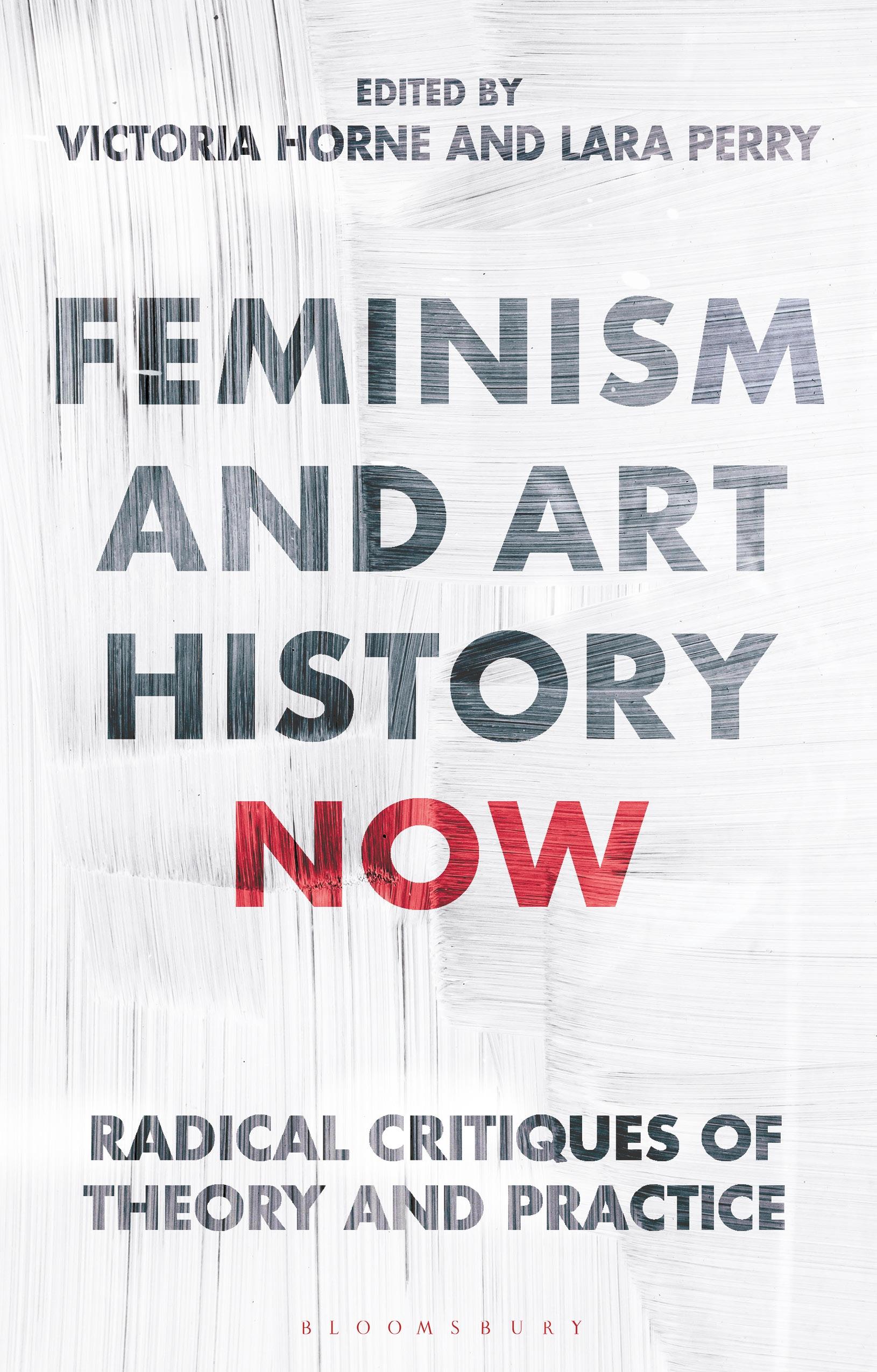
To what extent have developments in global politics, artworld institutions, and local cultures reshaped the critical directions of feminist art historians? The significant new research gathered here engages with the rich inheritance of feminist historiography since around 1970, and considers how to maintain the forcefulness of its critique while addressing contemporary political struggles. Taking on subjects that reflect the museological, global and materialist trajectories of twenty-first-century art historical scholarship, the chapters address the themes of Invisibility, Temporality, Spatiality and Storytelling. They present new research on a diversity of topics that span political movements in Italy, urban gentrification in New York, community art projects in Scotland and Canada's contemporary indigenous culture. Individual chapter analyses focus on the art of Lee Krasner, The Emily Davison Lodge, Zoe Leonard, Martha Rosler, Carla Lonzi and Womanhouse. Together with a synthesising introductory essay, these studies provide readers with a view of feminist art histories of the past, present and future.
Pay easily by card, Klarna, Apple Pay or Google Pay. Not happy? You always have a 14-day money-back guarantee. Read more in our terms. If you have any questions, email us at hello@memmo.org.
Memmo makes studying easier – wherever you are in the world. We bring your course books and smart study tools together in one place: summaries, quizzes, podcasts and flashcards. Plus Ted, your study buddy who answers anything you wonder. Over 50,000 students already study here – built to help you learn faster and stress less.