
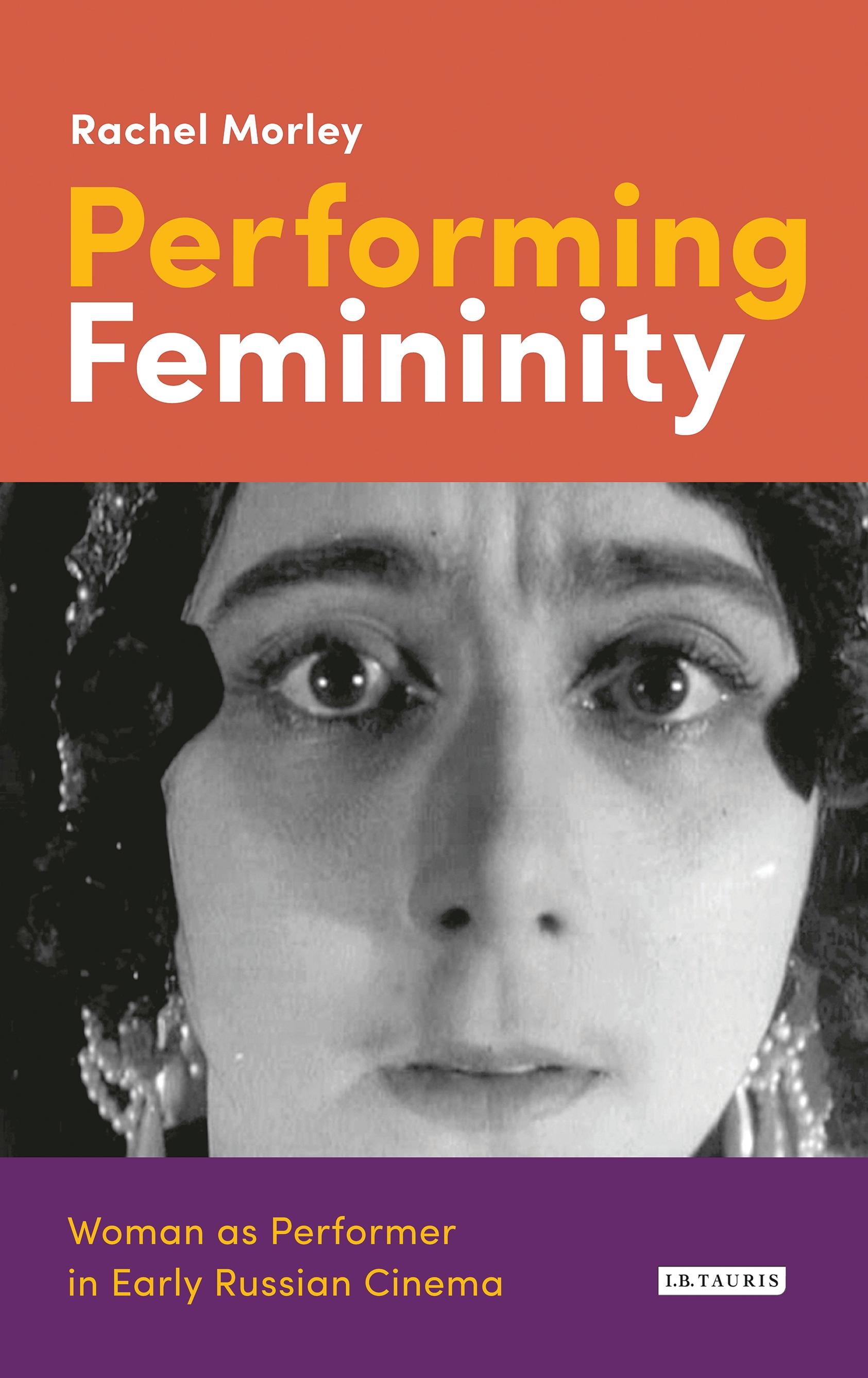
Oriental dancers, ballerinas, actresses and opera singers the figure of the female performer is ubiquitous in the cinema of pre-Revolutionary Russia. From the first feature film, Romashkov's Stenka Razin (1908), through the sophisticated melodramas of the 1910s, to Viskovsky's The Last Tango (1918), made shortly before the pre-Revolutionary film industry was dismantled by the new Soviet government, the female performer remains central. In this groundbreaking new study, Rachel Morley argues that early Russian film-makers used the character of the female performer to explore key contemporary concerns from changing conceptions of femininity and the emergence of the so-called New Woman, to broader questions concerning gender identity. Morley also reveals that the film-makers repeatedly used this archetype of femininity to experiment with cinematic technology and develop a specific cinematic language."
Pay easily by card, Klarna, Apple Pay or Google Pay. Not happy? You always have a 14-day money-back guarantee. Read more in our terms. If you have any questions, email us at hello@memmo.org.
Memmo makes studying easier – wherever you are in the world. We bring your course books and smart study tools together in one place: summaries, quizzes, podcasts and flashcards. Plus Ted, your study buddy who answers anything you wonder. Over 50,000 students already study here – built to help you learn faster and stress less.