
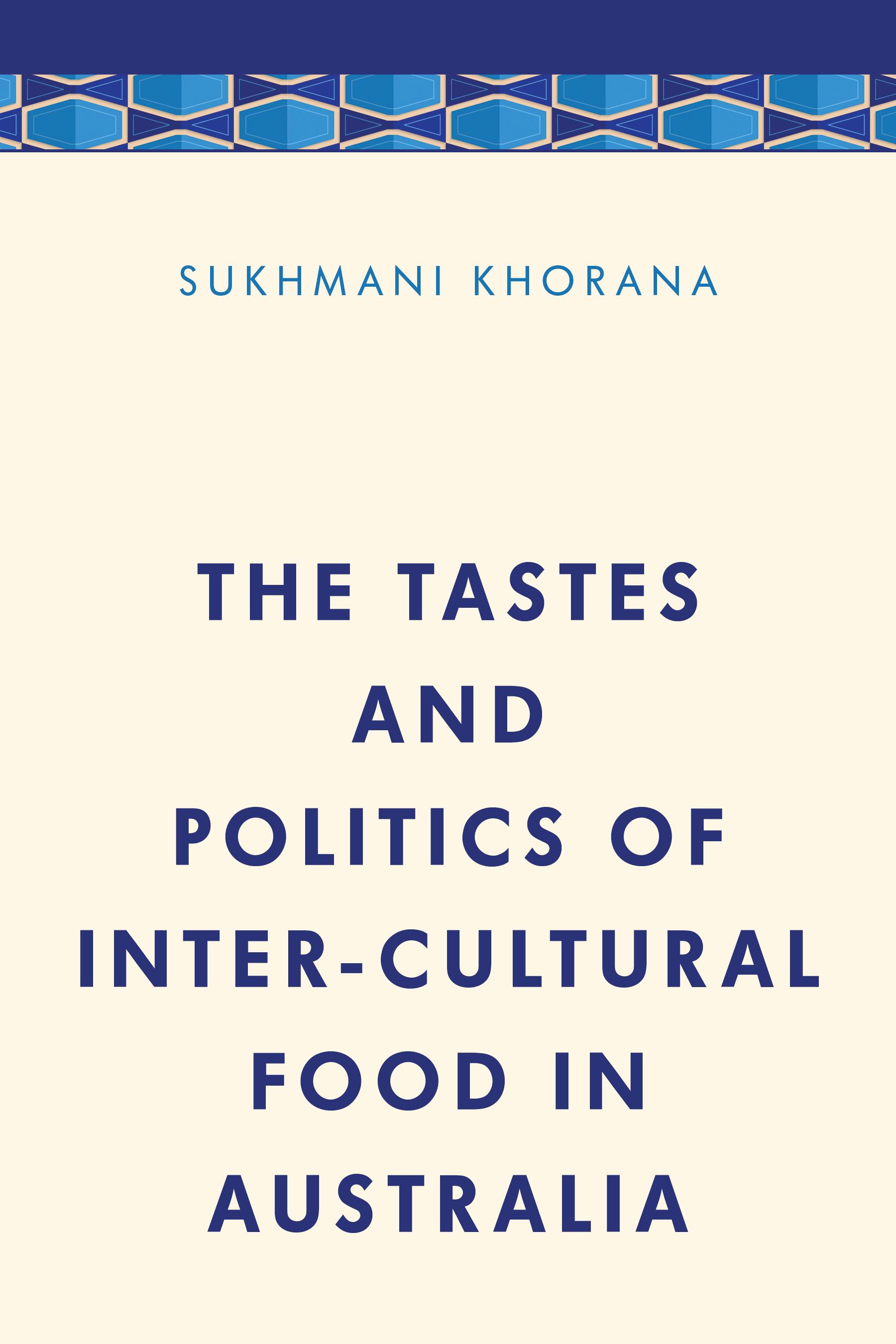
In the 21st century, an accelerated pace of global movements of people, goods, capital, technology and ideas has led to ambivalence regarding cultural identity for individuals, as well as collectives like neighbourhoods and cities. While the preparation, availability and consumption of diverse foods have become symbolic of the very openness of a place, there are concerns that this is only reflective of a superficial and consumerist form of middle class cosmopolitanism.
Using food-oriented case studies centred on Australian cities and media, Bonding Over Food argues for a processual understanding of cosmopolitanism. Such an approach helps us understand various kinds of social bonds formed over food as ‘convivial’ practices that are potentially ethical and/or reflexive as opposed to being driven by ‘othering’ discourses.
Using food-oriented case studies centred on Australian cities and media, Bonding Over Food argues for a processual understanding of cosmopolitanism. Such an approach helps us understand various kinds of social bonds formed over food as ‘convivial’ practices that are potentially ethical and/or reflexive as opposed to being driven by ‘othering’ discourses.
Pages: 176
Category: Kultur-, Genus- & Postkoloniala studier
e-ISBN: 9781786602206
Shipping weight: 1.2 kg
Ships in: 1-2 days
Pay easily by card, Klarna, Apple Pay or Google Pay. Not happy? You always have a 14-day money-back guarantee. Read more in our terms. If you have any questions, email us at hello@memmo.org.
Memmo makes studying easier – wherever you are in the world. We bring your course books and smart study tools together in one place: summaries, quizzes, podcasts and flashcards. Plus Ted, your study buddy who answers anything you wonder. Over 50,000 students already study here – built to help you learn faster and stress less.