
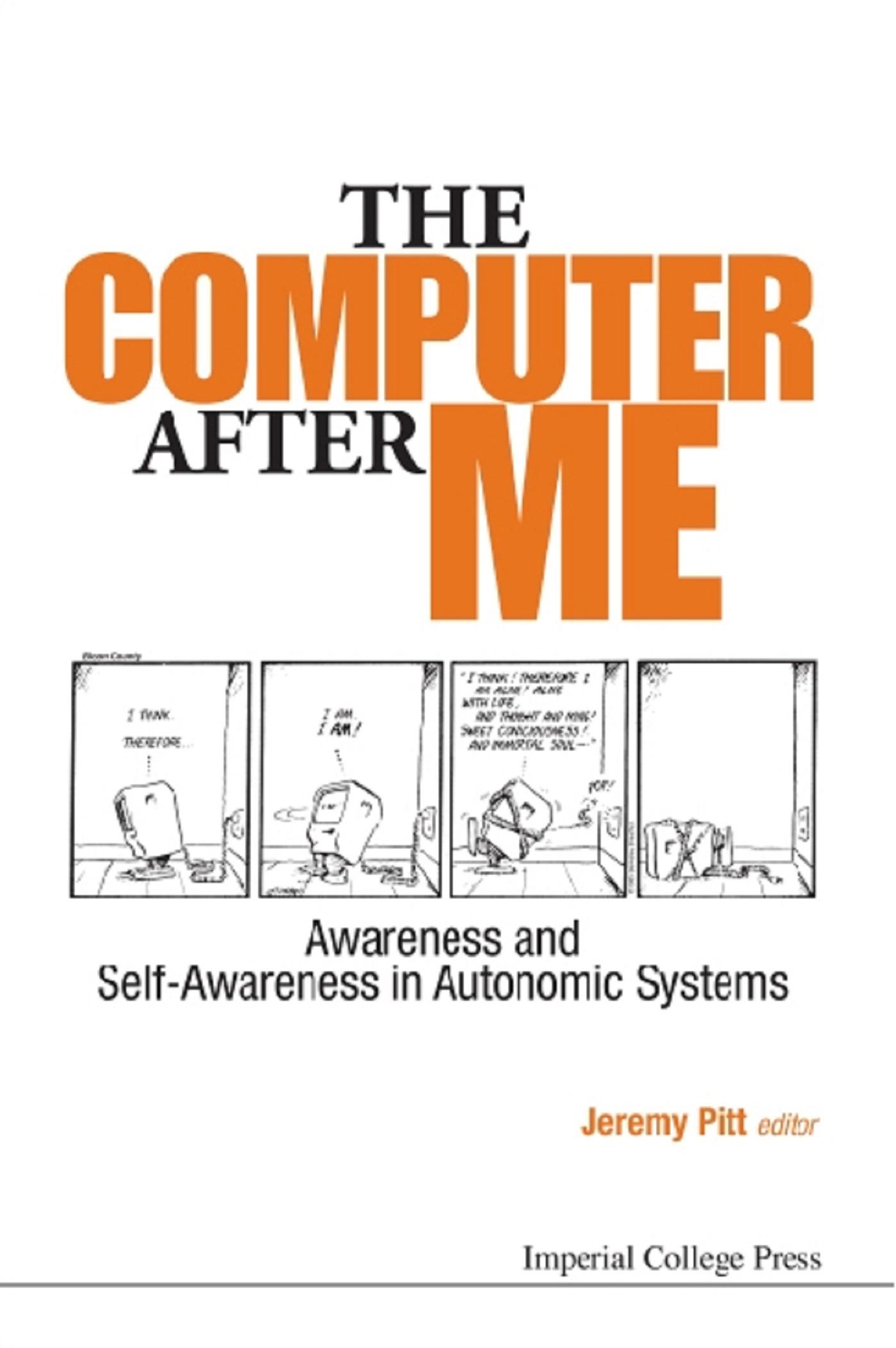
We are increasingly seeing computer systems which are expected to function without operator intervention. This is perhaps acceptable for running computer networks or traffic lights; however, we are now seeing computer systems deployed to qualitatively influence human judgments such as rulings on legal disputes or fitness for work to evaluate disability benefits. In keeping with the precautionary principle, it is important that those who are developing this capability — technologists and scientists — think through its potential implications.The aim of this book is to explore the technological and social and implications of computers and robots becoming increasingly ‘aware’ of their environment and the people in it, and their being increasingly ‘self-aware’ of their own existence within it.The wide-ranging scope of the text covers three different angles of the concept of ‘the computer after me’: (1) the next generation of computationally powerful aware systems; (2) systems in which the computer is aware of qualitatively impact human concerns such as law, health and rules; and (3) computers and robots which are aware of themselves.
Pay easily by card, Klarna, Apple Pay or Google Pay. Not happy? You always have a 14-day money-back guarantee. Read more in our terms. If you have any questions, email us at hello@memmo.org.
Memmo makes studying easier – wherever you are in the world. We bring your course books and smart study tools together in one place: summaries, quizzes, podcasts and flashcards. Plus Ted, your study buddy who answers anything you wonder. Over 50,000 students already study here – built to help you learn faster and stress less.
You might also like
Buy the book0