
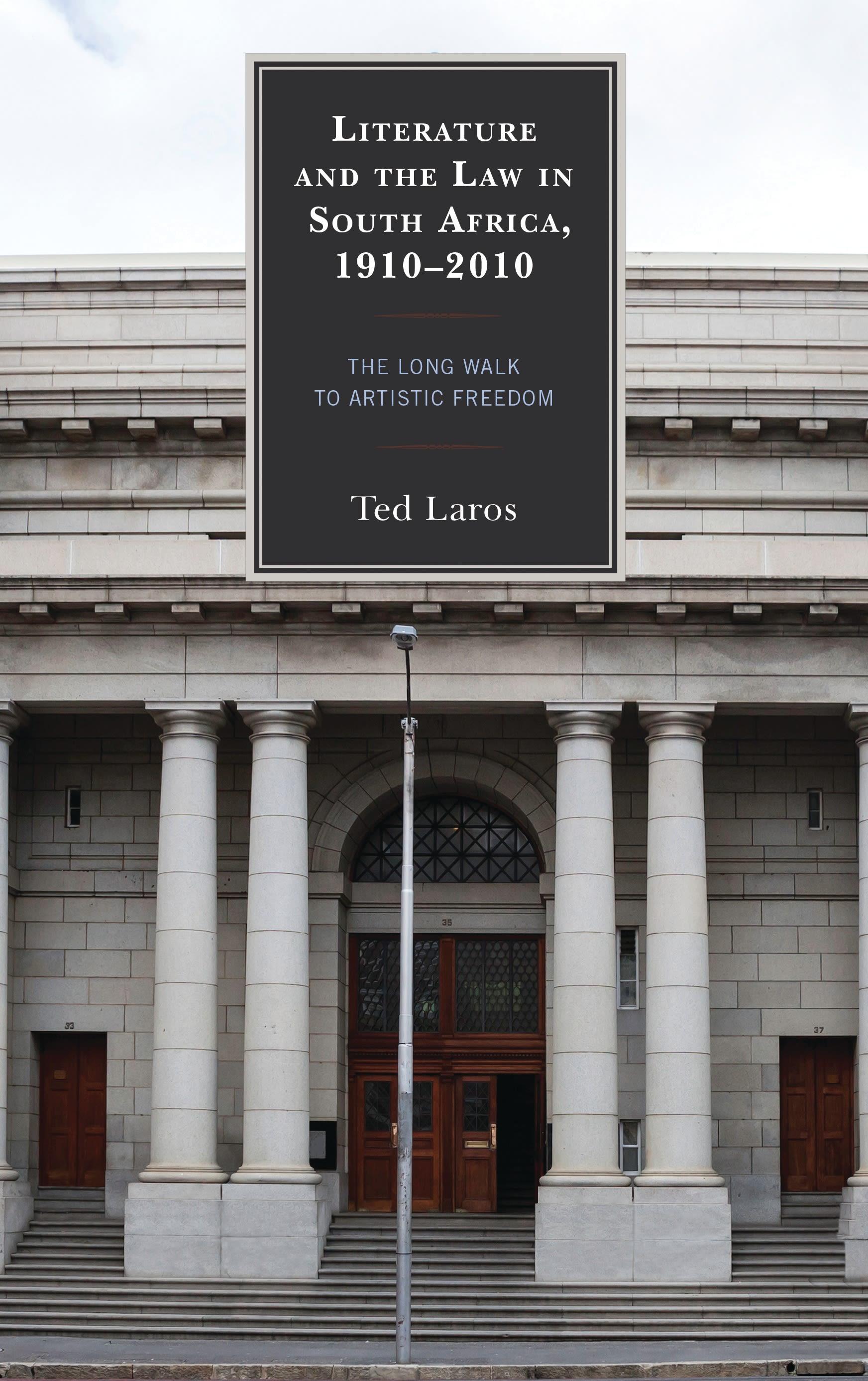
In 1994, artistic freedom pertaining inter alia to literature was enshrined in the South African Constitution. Clearly, the establishment of this right was long overdue compared to other nations within the Commonwealth. Indeed, the legal framework and practices regarding the regulation of literature that were introduced following the nation’s transition to a non-racial democracy seemed to form a decisive turning point in the history of South African censorship of literature. This study employs a historical sociological point of view to describe how the nation’s emerging literary field helped pave the way for the constitutional entrenchment of this right in 1994. On the basis of institutional and poetological analyses of all the legal trials concerning literature that were held in South Africa during the period 1910–2010, it describes how the battles fought in and around the courts between literary, judicial and executive elites eventually led to a constitutional exceptio artis for literature. As the South African judiciary displayed an ongoing orientation towards both English and American law in this period, the analyses are firmly placed in the context of developments occurring concurrently in these two legal systems.
Pages: 250
Category: Litteraturvetenskap & Teori
e-ISBN: 9781683930167
Shipping weight: 1.2 kg
Ships in: 1-2 days
Pay easily by card, Klarna, Apple Pay or Google Pay. Not happy? You always have a 14-day money-back guarantee. Read more in our terms. If you have any questions, email us at hello@memmo.org.
Memmo makes studying easier – wherever you are in the world. We bring your course books and smart study tools together in one place: summaries, quizzes, podcasts and flashcards. Plus Ted, your study buddy who answers anything you wonder. Over 50,000 students already study here – built to help you learn faster and stress less.