
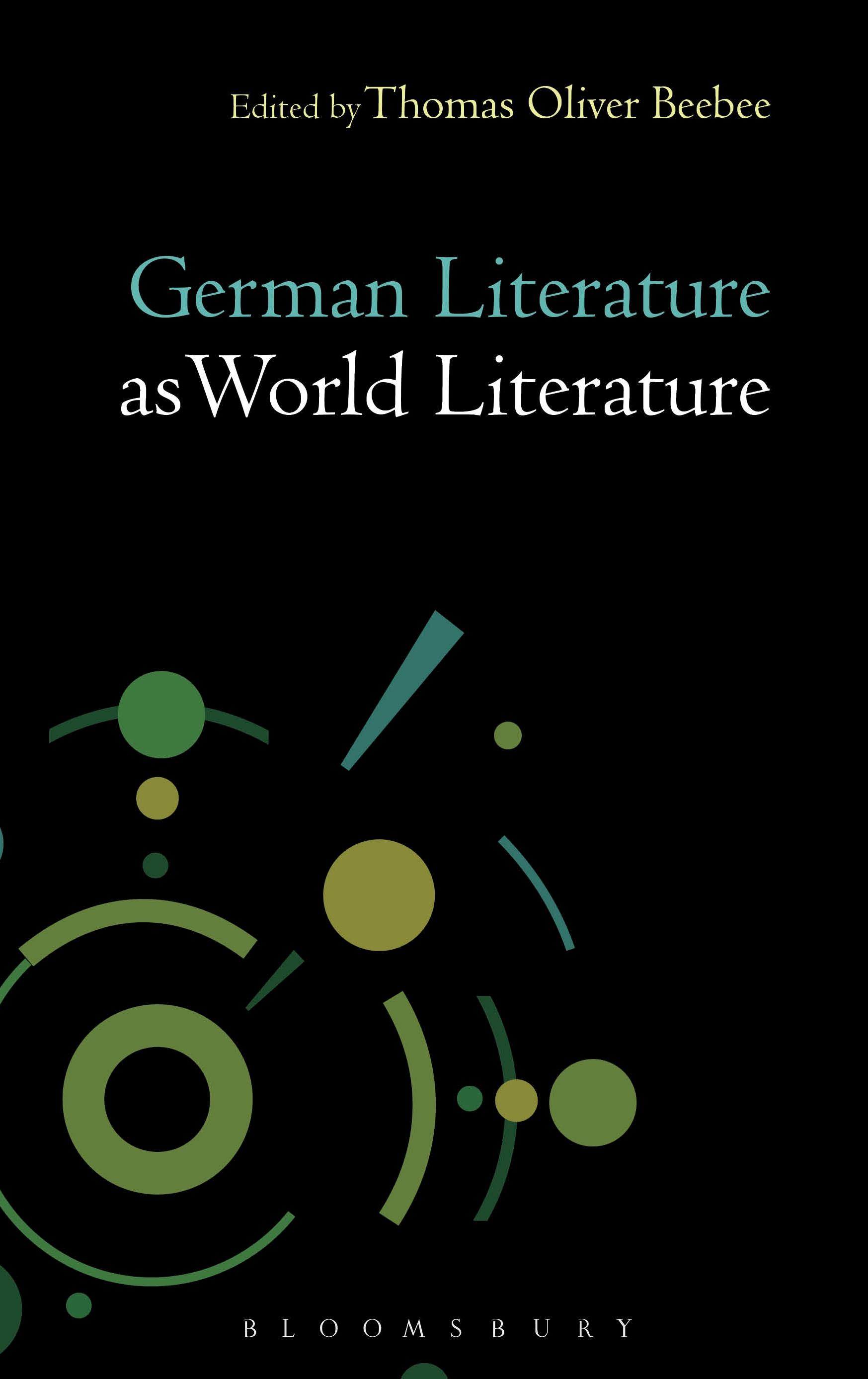
This new collection investigates German literature in its international dimensions. While no single volume can deal comprehensively with such a vast topic, the nine contributors cover a wide historical range, with a variety of approaches and authors represented. Together, the essays begin to adumbrate the systematic nature of the relations between German national literature and world literature as these have developed through institutions, cultural networks, and individual authors.
In the last two decades, discussions of world literature-literature that resonates beyond its original linguistic and cultural contexts-have come increasingly to the forefront of theoretical investigations of literature. One reason for the explosion of world literature theory, pedagogy and methodology is the difficulty of accomplishing either world literature criticism, or world literary history. The capaciousness, as well as the polylingual and multicultural features of world literature present formidable obstacles to its study, and call for a collaborative approach that conjoins a variety of expertise. To that end, this collection contributes to the critical study of world literature in its textual, institutional, and translatorial reality, while at the same time highlighting a question that has hitherto received insufficient scholarly attention: what is the relation between national and world literatures, or, more specifically, in what senses do national literatures systematically participate in (or resist) world literature?
In the last two decades, discussions of world literature-literature that resonates beyond its original linguistic and cultural contexts-have come increasingly to the forefront of theoretical investigations of literature. One reason for the explosion of world literature theory, pedagogy and methodology is the difficulty of accomplishing either world literature criticism, or world literary history. The capaciousness, as well as the polylingual and multicultural features of world literature present formidable obstacles to its study, and call for a collaborative approach that conjoins a variety of expertise. To that end, this collection contributes to the critical study of world literature in its textual, institutional, and translatorial reality, while at the same time highlighting a question that has hitherto received insufficient scholarly attention: what is the relation between national and world literatures, or, more specifically, in what senses do national literatures systematically participate in (or resist) world literature?
Pages: 256
Category: Litteraturvetenskap & Teori
e-ISBN: 9781623560539
Shipping weight: 1.2 kg
Ships in: 1-2 days
Pay easily by card, Klarna, Apple Pay or Google Pay. Not happy? You always have a 14-day money-back guarantee. Read more in our terms. If you have any questions, email us at hello@memmo.org.
Memmo makes studying easier – wherever you are in the world. We bring your course books and smart study tools together in one place: summaries, quizzes, podcasts and flashcards. Plus Ted, your study buddy who answers anything you wonder. Over 50,000 students already study here – built to help you learn faster and stress less.